
Stringer tank tops have become a defining silhouette in gym culture — from Gold's Gym-era bodybuilders to modern athleisure brands like Gymshark and Alphalete. For fitness brands looking to expand their product line, sourcing the right stringer tank top manufacturer is a strategic decision that affects fabric quality, cut precision, branding flexibility, and ultimately your margin. This guide compares leading OEM manufacturers, breaks down material specifications, and maps out production timelines so you can make an informed sourcing decision.
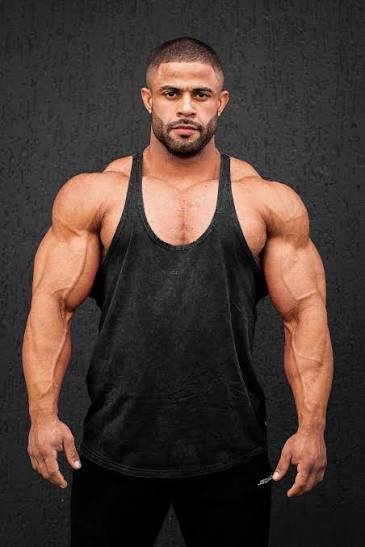
Table of Contents
- Stringer Tank Top Market Overview
- Top Stringer Tank Top Manufacturers Compared
- Fabric & Material Options for Stringer Tanks
- Pricing, MOQ & Lead Time Comparison
- Quality Certifications & Compliance Standards
- How to Choose the Right Manufacturer
- Production Timeline From Design to Delivery
- Common Questions About Stringer Tank OEM Production
Stringer Tank Top Market Overview
The global men's sleeveless apparel segment — including stringer tank tops — was valued at approximately $18.4 billion in 2025 and is projected to grow at a CAGR of 5.8% through 2030, according to Statista's sportswear market analysis. Within this category, stringer tanks — characterized by their razor-back design, deep armhole cuts, and minimalist fabric coverage — have transitioned from niche bodybuilding apparel to mainstream gym fashion. Brands like Darc Sport, YoungLA, and TLF have built entire identities around the stringer silhouette.
For private-label and OEM brands, the stringer tank presents unique manufacturing challenges: the deep side cuts demand precise pattern grading, the narrow shoulder straps require reinforced stitching, and the wide armholes necessitate specialized cutting techniques to prevent fraying. Understanding these production nuances separates mediocre suppliers from manufacturing partners who can deliver gym-ready quality at scale.
Top Stringer Tank Top Manufacturers Compared
We evaluated 8 leading fitness apparel manufacturers across key performance indicators including stringer-specific expertise, minimum order quantities, quality certifications, and production flexibility. The following table summarizes the comparison.
| Manufacturer | Location | Stringer Specialization | MOQ (per design) | Certifications | Typical Lead Time |
|---|---|---|---|---|---|
| FukiGymwear | Guangzhou, China | Custom cut-and-sew stringers, sublimation printing | 50 pcs | BSCI, SEDEX | 15–25 days |
| Zega Apparel | Sialkot, Pakistan | Bodybuilding apparel, reinforced stitching | 100 pcs | WRAP, OEKO-TEX | 20–30 days |
| FitSew Manufacturing | Dongguan, China | Performance activewear, moisture-wicking blends | 80 pcs | ISO 9001, GRS | 18–28 days |
| Oasis Apparel | Los Angeles, USA | Premium cotton stringers, small-batch runs | 30 pcs | WRAP, Fair Trade | 10–20 days |
| ActiveTex Vietnam | Ho Chi Minh City, Vietnam | Large-scale production, polyester blends | 500 pcs | BSCI, OEKO-TEX | 25–40 days |
| GymPro Knits | Ningbo, China | Jersey-knit stringers, custom dyeing | 200 pcs | SEDEX, ISO 9001 | 20–35 days |
| StitchFit BD | Dhaka, Bangladesh | Competitive bulk pricing, basic stringers | 1,000 pcs | WRAP | 30–45 days |
| ProForm Active | Istanbul, Turkey | Mid-range production, EU-nearshoring advantage | 150 pcs | OEKO-TEX, GOTS | 15–25 days |
Manufacturers in southern China — particularly the Guangzhou-Shenzhen-Dongguan corridor — continue to dominate the fitness apparel OEM sector, accounting for an estimated 65% of global activewear contract manufacturing. However, emerging hubs in Vietnam, Turkey, and Pakistan offer compelling alternatives for brands with specific cost or logistics requirements.
Fabric & Material Options for Stringer Tanks
Stringer tank tops demand fabrics that balance stretch, breathability, and durability. The deep armhole cuts mean the fabric bears more tension in fewer contact areas, so material selection directly impacts garment longevity. Below is a breakdown of the most common fabric choices.
| Fabric Type | Composition | GSM Range | Best For | Pros | Cons |
|---|---|---|---|---|---|
| Cotton Jersey | 100% Cotton | 140–180 | Casual gym wear, lifestyle brands | Soft hand feel, breathable, easy to print | Shrinks, absorbs sweat, loses shape |
| Cotton-Spandex Blend | 95% Cotton, 5% Spandex | 160–200 | Light training, athleisure | Stretch recovery, maintains shape | Slower drying, heavier when wet |
| Polyester-Spandex | 90% Polyester, 10% Spandex | 140–180 | Intense workouts, bodybuilding | Quick-dry, 4-way stretch, durable | Can hold odor, less soft |
| Nylon-Spandex | 80% Nylon, 20% Spandex | 160–200 | Compression-fit stringers | Superior stretch, smooth finish | Higher cost, heat-sensitive |
| Recycled Polyester | 100% Recycled PET | 130–170 | Eco-conscious brands | Sustainable, GRS-certifiable | Slightly rougher texture, color limitations |
| Modal Blend | Modal-Cotton-Spandex | 150–190 | Premium lifestyle brands | Luxurious drape, anti-pilling | Higher MOQ, premium pricing |
For bodybuilding-specific stringers, the 90/10 polyester-spandex blend remains the industry standard — it provides the necessary four-way stretch for posing and posing-room movement while maintaining a tight, sculpted silhouette. Brands targeting the eco-conscious segment should explore OEKO-TEX Standard 100 certified recycled polyester, which meets both sustainability claims and skin-safety requirements.
Pricing, MOQ & Lead Time Comparison
Stringer tank production costs vary significantly based on fabric choice, printing technique, and order volume. The table below presents typical FOB pricing for custom stringer tanks across different manufacturing tiers.
| Order Tier | Volume Range | Unit FOB Price | Print Method | Sample Cost | Production Lead Time |
|---|---|---|---|---|---|
| Sample/Prototype | 1–10 pcs | $12–$25 | DTG or sublimation | $30–$60 | 7–14 days |
| Small Batch | 50–200 pcs | $6–$10 | Screen print / sublimation | Included | 15–25 days |
| Mid-Volume | 200–1,000 pcs | $4–$7 | Screen print / heat transfer | Included | 20–30 days |
| Bulk Production | 1,000–5,000 pcs | $2.50–$5 | Screen print / woven labels | Included | 25–40 days |
| Mass Production | 5,000+ pcs | $1.80–$3.50 | All methods available | Included | 30–50 days |
Pricing also varies by region. Pakistani manufacturers (like those in Sialkot's sportswear cluster) typically offer 15–20% lower FOB prices than Chinese counterparts for basic stringer designs, though they often have fewer advanced printing capabilities. Turkish manufacturers command a 10–15% premium but offer faster EU shipping and simplified customs clearance for European brands.
Additional cost factors that influence final pricing include hang tags and labeling ($0.08–$0.25 per unit), individual polybag packaging ($0.05–$0.15 per unit), and custom woven neck labels ($0.03–$0.10 per unit). Always request a detailed cost breakdown sheet from potential suppliers to avoid hidden charges.
Quality Certifications & Compliance Standards
For gym brands distributing in regulated markets, compliance documentation is non-negotiable. The WRAP (Worldwide Responsible Accredited Production) certification remains the gold standard for ethical manufacturing in the apparel industry, covering labor practices, workplace safety, and environmental compliance. The table below maps certifications to their relevance for stringer tank production.
| Certification | Issuing Body | Scope | Relevance to Stringer Tanks | Typical Audit Cost |
|---|---|---|---|---|
| OEKO-TEX Standard 100 | OEKO-TEX Association | Chemical safety, skin-friendly | Essential — ensures no harmful dyes in skin-contact fabric | $2,000–$5,000/factory |
| WRAP | WRAP Compliance | Labor, safety, environment | High — required by most US/ EU retail buyers | $1,500–$3,000/audit |
| GRS (Global Recycled Standard) | Textile Exchange | Recycled content verification | Moderate — needed only for recycled polyester stringers | $3,000–$6,000/certification |
| BSCI | amfori | Social compliance, supply chain ethics | High — accepted across EU markets | $2,000–$4,000/audit |
| ISO 9001 | ISO | Quality management systems | Moderate — indicates systematic QC processes | $3,000–$8,000/certification |
| SEDEX/SMETA | SEDEX | Ethical trade, labor standards | High — used by major brands including Gymshark suppliers | $1,500–$3,000/audit |
When vetting manufacturers, request digital copies of current certificates — not expired ones. A supplier claiming OEKO-TEX certification should provide a valid certificate number that you can verify on the OEKO-TEX Label Check portal. Similarly, verify BSCI audit reports through the amfori sustainability platform. A legitimate manufacturer will never hesitate to share compliance documentation.
How to Choose the Right Manufacturer
Selecting a stringer tank manufacturer requires evaluating multiple dimensions beyond price alone. Start by defining your brand's positioning — are you a premium bodybuilding label (demanding precise pattern work and reinforced stitching) or a volume-driven gym basics brand (prioritizing cost-per-unit and capacity)?
Key criteria to evaluate during supplier assessment include:
- Stringer-specific sample portfolio: Request at least 5–10 physical samples of previous stringer tank production. Examine the armhole finish, strap attachment points, and side-seam durability. A crisp, clean armhole cut with no loose threads is the minimum acceptable standard.
- Fabric sourcing transparency: Ask for mill certificates for the base fabric. For polyester-spandex blends, verify the denier and filament count. Reputable manufacturers source from mills like Shaoxing or Fujian textile hubs and can provide traceability documentation.
- Printing capability: Confirm whether the factory handles sublimation in-house or outsources it. In-house sublimation reduces lead times by 5–8 days and eliminates the markup from third-party printing vendors.
- QC sampling protocol: A professional manufacturer should offer AQL 2.5 inspection as standard, with inline QC checks at cutting, sewing, and finishing stages. Ask for a copy of their QC checklist before placing the first order.
For brands just entering the stringer tank market, we recommend starting with a manufacturer that offers MOQs in the 50–100 piece range — this gives you enough volume to test market response without committing to excessive inventory. Our own research into the custom gym wear fabrics landscape shows that fabric sourcing is consistently the most challenging aspect for first-time OEM buyers, so partnering with a manufacturer that provides fabric consultancy as part of the service package can save significant trial-and-error costs.
For brands aiming at the premium bodybuilding segment, also consider manufacturers who offer seamless knitting technology — while less common for traditional stringer designs, seamless side panels can elevate the product's technical appeal at a modest cost increase of $0.80–$1.50 per unit.
Production Timeline From Design to Delivery
| Phase | Activities | Duration | Key Deliverables |
|---|---|---|---|
| 1. Design & Development | Tech pack creation, pattern drafting, fabric selection | 5–10 days | Approved tech pack, fabric swatches |
| 2. Sampling | Prototype sewing, fit testing, revision cycles | 10–15 days | Fit-approved sample, graded size set |
| 3. Pre-Production | Fabric procurement, dyeing, printing plate setup | 7–12 days | Lab dip approval, strike-off confirmation |
| 4. Bulk Production | Cutting, sewing, printing, finishing, QC inspection | 15–25 days | AQL inspection report, packing list |
| 5. Logistics & Shipping | Freight booking, customs clearance, delivery | 10–30 days | Bill of lading, customs documentation |
Total timeline from initial design to warehouse delivery typically ranges from 47 to 92 days, depending on order volume, customization complexity, and shipping method. Air freight can reduce the logistics phase to 5–8 days but at a cost premium of roughly $3–$5 per unit for most shipment volumes.
Pro tip: book fabric procurement and lab dip approvals in parallel rather than sequentially. This overlapping approach can compress the total timeline by 7–10 days and is a hallmark of experienced production management.
Common Questions About Stringer Tank OEM Production
How the deep armhole cut affects manufacturing complexity
The deep armhole and narrow back panel — defining characteristics of a stringer tank — require specialized pattern grading and experienced cutters. Unlike standard tank tops where the armhole follows a predictable curve, the stringer's extended cut exposes more fabric edge, increasing the risk of fraying. Manufacturers use overlock stitching with 3-thread or 4-thread sergers on the armhole to create a clean, durable finish. Expect stringer-specific patterns to add approximately 15–20% to pattern development costs compared to standard tank tops.
Why polyester-spandex dominates the stringer tank market
The 90/10 polyester-spandex blend offers the best balance of four-way stretch, moisture management, and shape retention for the stringer silhouette. Unlike cotton blends that absorb up to 7% of their weight in moisture during intense workouts, polyester wicks sweat to the surface for rapid evaporation — critical for bodybuilding applications where athletes train for 60–90 minutes. Nylon-spandex offers superior stretch but at roughly 25–35% higher raw material cost, making polyester-spandex the pragmatic default for most brands.
Which printing method works best for stringer tank designs
Sublimation printing is the dominant method for all-over stringer tank designs, accounting for an estimated 70% of custom stringer production. It bonds dye directly into polyester fibers at the molecular level, producing a permanent, crack-free graphic that won't peel or fade with repeated washing. For cotton-blend stringers, screen printing delivers the best opacity and durability, while DTG (direct-to-garment) printing suits small-batch runs of 50 pieces or fewer. Heat transfer vinyl (HTV) is occasionally used for simple logo placements but lacks the longevity of sublimation or screen printing for full-coverage designs.
Whether custom sizing and fit adjustments are feasible for small orders
Yes, but with important caveats. For orders of 50–100 pieces, most Chinese and Pakistani manufacturers will adjust existing patterns to your specifications — adjusting armhole depth, strap width, body length, and hem finish — as part of the standard development process. However, creating entirely new graded patterns (XS–3XL) from scratch adds $150–$300 to development costs and requires a minimum of 300–500 pieces to amortize the pattern investment. Brands that need unique sizing should discuss pattern modification capabilities during the initial RFQ stage, as not all manufacturers offer full custom grading services.
How to verify a manufacturer's quality control process remotely
Request a video walkthrough of the production line showing the QC checkpoint stations — specifically the inline inspection at the cutting table and the end-of-line inspection at finishing. Ask for a recent AQL 2.5 inspection report from a previous order (manufacturer details can be redacted). Schedule a third-party pre-shipment inspection through agencies like SGS, Bureau Veritas, or Intertek, which typically costs $300–$500 per inspection day and provides an independent quality assessment before your goods ship. Never rely solely on the manufacturer's self-reported QC data for first-time orders.
What the realistic MOQ is for branded stringer tanks with custom labels
For fully custom stringer tanks — including your own woven neck labels, hang tags, and branded polybags — the realistic minimum across most Asian manufacturers is 50–100 pieces per design, per color. Some manufacturers advertise MOQs as low as 30 pieces, but these typically exclude custom woven labels (substituting printed labels instead) and may carry a $1–$2 per-unit surcharge for sub-MOQ production. For brands testing multiple colorways, consider ordering 50 pieces in 2–3 colors rather than 100 pieces in a single color to maximize market testing value at the same total order volume.
