
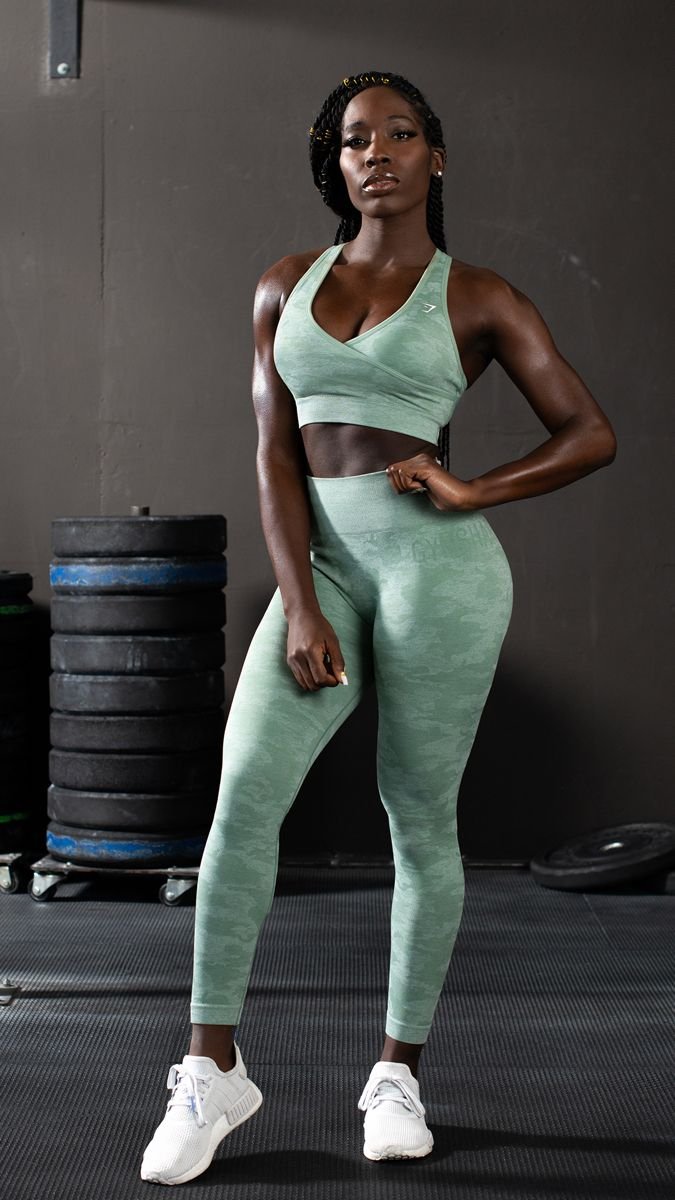
Moisture management is the single most critical performance attribute in activewear. Whether your brand sources polyester interlock for training tees or nylon-spandex blends for compression leggings, the fabric's ability to wick sweat, spread moisture, and evaporate rapidly determines whether end consumers keep wearing the garment or relegate it to the back of a drawer. For B2B buyers and private label brands, understanding the science behind moisture-wicking fabrics — and knowing how to select, test, and certify them — is essential to building a product line that performs. This guide breaks down the physics, compares fabric types, covers industry testing standards, and provides OEM sourcing benchmarks. For a broader overview of activewear fabric categories, see our custom gym wear fabrics guide for private label brands.
Table of Contents
- Why Moisture Management Defines Activewear Quality
- The Physics of Moisture Wicking
- Moisture-Wicking Fabric Types Compared
- Industry Testing Standards
- OEM Selection Criteria for B2B Buyers
- Cost Structure and MOQ Benchmarks
- Certifications and Compliance
- Common Questions About Moisture-Wicking Fabrics
Why Moisture Management Defines Activewear Quality
The global activewear market is projected to surpass $546 billion by 2032, driven by consumers who demand garments that perform as hard as they do, according to Statista's sportswear market outlook. Within this market, moisture management is consistently ranked as the number-one functional attribute by both brands and consumers — ahead of stretch, durability, and aesthetics.
For OEM buyers, this means fabric selection directly impacts product reviews, return rates, and brand reputation. A garment that clings to the skin, traps heat, or develops odor after minimal use will generate negative feedback regardless of how good the design looks. Conversely, a well-engineered moisture-wicking fabric can elevate a mid-range private label product to compete with premium performance brands.
The challenge for B2B buyers is that "moisture-wicking" is not a single property — it encompasses wicking rate, spreading area, evaporation speed, and breathability. Understanding each dimension allows you to specify fabrics with precision rather than relying on supplier marketing claims. If your product line includes seamless construction, our seamless activewear manufacturing guide covers how yarn choice interacts with moisture performance.
The Physics of Moisture Wicking
Moisture management in activewear relies on three distinct physical processes. Understanding each one helps buyers evaluate fabric specifications intelligently.
Capillary Action (Wicking)
Wicking occurs when liquid sweat moves through fabric via capillary action — the same force that draws water up a paper towel. Synthetic fibers like polyester and nylon are inherently hydrophobic (water-repellent), but when engineered into fine denier yarns and knitted into structures with micro-channels, they create capillary pathways that pull moisture away from the skin. The finer the yarn denier and the tighter the knit structure, the stronger the capillary effect.
Moisture Spreading
Once sweat is wicked away from the skin, it must spread across the fabric's outer surface to maximize the evaporation area. Fabrics with good spreading properties distribute a single droplet across a wide radius, reducing drying time. This is measured by the wetting radius — the larger the radius, the faster the evaporation.
Evaporation and Breathability
Evaporation converts liquid moisture into vapor, which must then escape through the fabric. Breathability refers to the fabric's ability to allow water vapor to pass through. A fabric can wick well but evaporate slowly if the outer surface is too dense or coated. The ideal moisture-wicking fabric balances wicking speed with high vapor permeability. For products that combine compression with moisture management, our compression wear OEM guide covers how tighter knit structures affect vapor transmission.
| Process | What It Measures | Ideal Performance | Key Fabric Factor |
|---|---|---|---|
| Wicking | Speed of liquid moving through fabric | Fast upward wicking in vertical strip test | Yarn denier, knit structure |
| Spreading | Surface area covered by a single droplet | Wide wetting radius, uniform distribution | Fiber cross-section, fabric density |
| Evaporation | Time for moisture to fully vaporize | Under 30 minutes for a standard swatch | Surface texture, air permeability |
| Breathability | Water vapor transmission rate (WVTR) | High WVTR with acceptable wind resistance | Knit openness, membrane presence |
Moisture-Wicking Fabric Types Compared
Not all moisture-wicking fabrics are created equal. Each fiber type brings distinct advantages and trade-offs in wicking performance, durability, hand feel, and cost. Here is a detailed comparison of the most common options for activewear OEM production.
Polyester (Most Common)
Polyester is the workhorse of activewear fabrics, accounting for over 60% of performance apparel globally. Its hydrophobic nature means it absorbs less than 1% of its weight in moisture, making it inherently quick-drying. Modern polyester performance yarns use modified cross-sections — such as Y-shaped or cruciform filaments — that create micro-channel capillaries for enhanced wicking. Polyester is also cost-effective, colorfast, and dimensionally stable through repeated wash cycles.
Nylon (Polyamide)
Nylon offers superior strength-to-weight ratio and a softer, silkier hand feel compared to polyester. It absorbs slightly more moisture (around 3.5–4%) but compensates with excellent abrasion resistance, making it ideal for high-friction applications like compression wear and yoga leggings. Nylon fabrics tend to be more expensive than polyester equivalents but command a premium at retail.
Merino Wool
Merino wool is a natural fiber that manages moisture through a different mechanism: it can absorb up to 30% of its weight in moisture vapor without feeling wet, while its fiber structure naturally wicks liquid. Merino also provides natural odor resistance and temperature regulation. However, it is significantly more expensive, has longer lead times, and requires careful processing to prevent shrinkage.
Recycled Polyester (rPET)
Recycled polyester, made from post-consumer PET bottles, offers near-identical moisture-wicking performance to virgin polyester. The recycling process does not alter the polymer's hydrophobic properties, though some rPET yarns may show slightly higher variability in denier consistency. With brands facing increasing pressure to adopt sustainable materials — as detailed by the Textile Exchange's global recycled standard — rPET is rapidly becoming the default choice for new activewear lines.
Bamboo Viscose
Bamboo-derived viscose offers a luxuriously soft hand feel and natural antimicrobial properties. However, its moisture-wicking performance is moderate — it absorbs moisture rather than actively wicking it, resulting in slower drying times. Bamboo is best suited for low-intensity activewear like restorative yoga wear rather than high-sweat training garments.
| Fabric Type | Moisture Absorption | Drying Speed | Hand Feel | Relative Cost | Best Use Case |
|---|---|---|---|---|---|
| Polyester | Very low (<1%) | Fast | Smooth, slightly synthetic | Low | Training tees, shorts, general activewear |
| Nylon | Low (3.5–4%) | Fast | Soft, silky | Medium | Leggings, compression wear, sports bras |
| Merino Wool | High (up to 30% vapor) | Medium | Soft, natural | High | Outdoor, cold-weather base layers |
| Recycled Polyester | Very low (<1%) | Fast | Smooth, comparable to virgin | Low-Medium | Eco-conscious activewear lines |
| Bamboo Viscose | Moderate (10–13%) | Slow | Very soft, smooth | Medium | Yoga, loungewear, low-intensity wear |
Industry Testing Standards
Reliable moisture management claims require standardized testing. For OEM buyers, specifying test methods in your tech pack ensures that suppliers deliver measurable performance rather than vague marketing promises. The following standards are the most widely used in the activewear industry.
AATCC 195: Liquid Moisture Management Properties
The American Association of Textile Chemists and Colorists (AATCC) developed Test Method 195 specifically to evaluate the liquid moisture management capabilities of fabrics. This test measures wetting time, absorption rate, max wetted radius, and spreading speed on both the top (skin-side) and bottom (outer) surfaces. The result is a composite moisture management index that classifies fabrics from "poor" to "excellent."
AATCC 79: Absorbency of Textiles
This simpler test measures the time it takes for a droplet of water to absorb into the fabric surface. A result under 3 seconds is generally considered acceptable for activewear, while premium performance fabrics target under 1 second.
ISO 11092: Thermal and Water Vapor Resistance
ISO 11092, also known as the "sweating guarded hotplate" test, measures thermal resistance and water vapor resistance of fabrics. This test is particularly relevant for multi-layer garments where breathability across layers is critical. Lower water vapor resistance values indicate better breathability.
Vertical Wicking Test (DIN 53924)
This test measures the height to which liquid travels upward through a vertically suspended fabric strip in a specified time. It provides a direct, easy-to-understand metric of wicking capability. OEM buyers should request both warp and weft direction results, as knit structure can create directional wicking differences.
| Test Standard | What It Measures | Key Metric | Target for Activewear |
|---|---|---|---|
| AATCC 195 | Overall moisture management | OMMC (Overall Moisture Mgmt Capacity) | Rating: "Good" or "Excellent" |
| AATCC 79 | Absorbency speed | Droplet absorption time (seconds) | Under 3 seconds (ideal: under 1s) |
| ISO 11092 | Vapor permeability | Ret (water vapor resistance, m²·Pa/W) | Ret below 6 (good breathability) |
| DIN 53924 | Vertical wicking height | Wicking height (mm) at 30 min | Above 100 mm in both directions |
OEM Selection Criteria for B2B Buyers
Beyond fabric type and testing data, OEM buyers must evaluate several practical criteria that affect production feasibility, cost, and end-product quality. The following factors should be specified in every tech pack and confirmed during sampling.
Fabric Weight (GSM)
Fabric weight, measured in grams per square meter (GSM), directly influences moisture performance. Lighter fabrics (120–160 GSM) dry faster and feel cooler but may be more transparent and less durable. Mid-weight fabrics (180–220 GSM) offer a balance of coverage, durability, and moisture management for most activewear. Heavyweight fabrics (240+ GSM) provide opacity and structure but sacrifice breathability. For training tees and shorts, 150–180 GSM is standard; for leggings and compression wear, 200–260 GSM is typical.
Stretch Ratio and Recovery
Most activewear fabrics include 5–25% spandex (elastane) for stretch. The stretch ratio affects fit, compression, and moisture management — higher spandex content can reduce the percentage of moisture-wicking fibers in the fabric. Recovery (the ability to return to original shape after stretching) should exceed 90% after 100 cycles to prevent garment sagging.
Wash Durability
Moisture-wicking performance can degrade with washing, particularly if the fabric relies on chemical finishes rather than inherent fiber properties. Request wash durability data showing wicking performance after 20, 40, and 50 wash cycles. Fabrics with modified cross-section yarns (physical wicking) outperform those with topical coatings (chemical wicking) over the garment's lifecycle.
Color Fastness
For branded activewear, color fastness to perspiration (AATCC 15), washing (AATCC 61), and light (AATCC 16) should all rate 4 or higher on the 5-point grayscale. Poor color fastness not only affects aesthetics but can also indicate unstable dye processes that may interact with moisture-wicking treatments.
| Criterion | Specification | Why It Matters | How to Verify |
|---|---|---|---|
| Fabric Weight | 150–260 GSM depending on product | Affects drying speed, opacity, durability | Lab GSM test, 5-sample average |
| Stretch Ratio | 4-way stretch, 15–25% elastane | Fit, compression, range of motion | Stretch/recovery test (ASTM D2594) |
| Wash Durability | OMMC rating maintained after 40 washes | Long-term performance retention | AATCC 135 + AATCC 195 after washing |
| Color Fastness | Grade 4+ on perspiration, wash, light | Brand consistency, consumer satisfaction | AATCC 15, 61, 16 standardized tests |
Cost Structure and MOQ Benchmarks
Understanding the cost breakdown of moisture-wicking fabrics helps buyers negotiate effectively and forecast product margins. Fabric typically represents 35–50% of the total FOB cost in activewear production, making it the largest single cost driver.
Fabric Cost per Yard
Standard moisture-wicking polyester interlock (180 GSM) costs approximately $1.80–$2.80 per yard at OEM volumes. Nylon-spandex blends (210 GSM) range from $2.50–$4.20 per yard. Merino wool blends can reach $8.00–$15.00 per yard, depending on micron count and blend ratio. Recycled polyester commands a 10–20% premium over virgin polyester but qualifies for sustainability marketing claims.
MOQ by Fabric Type
Minimum order quantities for custom-dyed moisture-wicking fabrics vary by mill capability and fabric type. Stock-dyed (piece-dyed) fabrics typically have lower MOQs than yarn-dyed or custom-knit options.
Treatment Surcharges
Additional moisture-wicking chemical treatments (DWR, antimicrobial, cooling finishes) add $0.20–$0.80 per yard depending on the chemistry and application method. Physical wicking (yarn cross-section modification) has no per-yard surcharge but may require higher minimums.
| Fabric Category | Cost per Yard (USD) | Typical MOQ (yards) | Treatment Surcharge | Lead Time |
|---|---|---|---|---|
| Polyester interlock (stock dye) | $1.80–$2.80 | 500–1,000 | $0.20–$0.50 (optional) | 15–25 days |
| Nylon-spandex (custom dye) | $2.50–$4.20 | 1,000–2,000 | $0.30–$0.60 | 25–35 days |
| Recycled polyester (GRS certified) | $2.20–$3.40 | 1,000–1,500 | $0.20–$0.50 | 20–30 days |
| Merino wool blend | $8.00–$15.00 | 300–800 | Included | 35–50 days |
| Bamboo viscose blend | $3.00–$5.00 | 800–1,200 | $0.30–$0.60 | 25–35 days |
Certifications and Compliance
Certifications serve two purposes in moisture-wicking fabric sourcing: they verify that fabrics meet safety and environmental standards, and they provide marketable claims that resonate with eco-conscious consumers. For OEM buyers, requiring certifications in the purchase contract ensures accountability throughout the supply chain.
OEKO-TEX Standard 100
OEKO-TEX Standard 100 certifies that fabrics have been tested for harmful substances including formaldehyde, heavy metals, and pesticide residues. For activewear worn in direct skin contact, Class I (baby) or Class II (direct skin contact) certification is appropriate. This is the most widely recognized safety certification in textile sourcing and should be considered a baseline requirement for any activewear OEM program.
Global Recycled Standard (GRS)
The Global Recycled Standard verifies recycled content claims and tracks the chain of custody from recycled material through to the finished product. For brands using rPET moisture-wicking fabrics, GRS certification provides third-party validation of sustainability claims and is increasingly required by major retailers.
WRAP: Factory Compliance
WRAP (Worldwide Responsible Accredited Production) certifies that manufacturing facilities meet ethical labor, safety, and environmental standards. While WRAP certifies the factory rather than the fabric, it is a critical component of responsible sourcing — buyers should verify that both the fabric mill and the cut-and-sew facility hold valid WRAP certification.
bluesign Certification
bluesign certification goes beyond chemical safety to evaluate the entire production process for resource productivity, consumer safety, and environmental impact. Fabrics with bluesign approval represent the highest tier of sustainable production and are increasingly sought by premium activewear brands. For a broader understanding of activewear materials, Wikipedia's overview of sportswear materials provides additional context on fiber properties and performance characteristics.
| Certification | What It Covers | Who Needs It | Verification Method |
|---|---|---|---|
| OEKO-TEX Standard 100 | Chemical safety, harmful substances | All activewear (baseline requirement) | Certificate number lookup on OEKO-TEX database |
| GRS (Global Recycled Standard) | Recycled content, chain of custody | Brands using rPET or recycled materials | Transaction certificate per shipment |
| WRAP | Factory labor, safety, environmental | All OEM cut-and-sew facilities | WRAP facility registry lookup |
| bluesign | Full production sustainability | Premium eco-conscious brands | bluesign approved fabric list |
Common Questions About Moisture-Wicking Fabrics
Which fabric offers the best moisture-wicking performance for gym wear
Polyester with modified cross-section yarns (Y-shape or cruciform filament) delivers the best overall moisture-wicking performance for high-intensity gym wear. Its combination of low moisture absorption, fast wicking via capillary channels, rapid evaporation, and cost-effectiveness makes it the industry standard. Nylon-spandex blends are preferred for compression garments where softness and abrasion resistance are equally important, while merino wool excels in outdoor and temperature-regulating applications despite higher cost.
How does GSM affect moisture management in activewear
Lower GSM fabrics (120–160) wick and dry faster because there is less material to saturate, but they sacrifice opacity and durability. Higher GSM fabrics (240+) provide better coverage and structure but trap more moisture and dry more slowly. The sweet spot for most activewear is 180–220 GSM, which balances moisture performance with the coverage and durability that consumers expect. For hot-weather training, 150 GSM is acceptable; for cold-weather base layers, 220+ GSM is preferable.
What testing standards should OEM buyers require
At minimum, require AATCC 195 (liquid moisture management) for comprehensive evaluation and AATCC 79 (absorbency) for a quick quality check. For multi-layer garments or outerwear, add ISO 11092 (vapor permeability). Specify acceptable thresholds in your tech pack — for example, "OMMC rating of Good or better per AATCC 195, droplet absorption under 3 seconds per AATCC 79." Request test reports from an accredited lab, not in-house mill testing.
Can moisture-wicking treatments wear off after washing
Yes. Topical chemical finishes (silicone-based or fluorocarbon-based wicking agents) can degrade after 20–40 wash cycles, reducing wicking performance by 30–50%. In contrast, physical wicking achieved through yarn cross-section modification is permanent — the capillary channels are part of the fiber geometry and cannot wash off. When specifying fabrics, ask whether the wicking performance comes from physical yarn structure or chemical treatment, and prefer physical wicking for garments expected to endure frequent washing.
Are recycled polyester fabrics as effective at moisture management
Recycled polyester (rPET) delivers moisture-wicking performance that is functionally equivalent to virgin polyester. The polymer chemistry is identical, and modern rPET yarns use the same modified cross-sections for capillary wicking. Minor differences may exist in yarn denier consistency due to feedstock variability, but these are typically within acceptable tolerances for activewear. GRS-certified rPET fabrics may command a 10–20% price premium but enable credible sustainability claims that resonate with consumers.
What MOQ should brands expect for custom moisture-wicking fabrics
For stock-dyed polyester interlock, MOQs typically start at 500–1,000 yards. Custom-dyed nylon-spandex blends require 1,000–2,000 yards minimum. Yarn-dyed or custom-knit structures may require 2,000+ yards. For brands testing a new product line, some mills offer "stock service" programs with pre-dyed moisture-wicking fabrics available at 100–300 yard MOQs, though color options are limited. Sampling yardage (10–30 yards) is usually available for prototyping at a 30–50% surcharge over bulk pricing.
Conclusion
Moisture management is the foundation of activewear performance, and fabric selection is where that performance begins. By understanding the physics of wicking, comparing fiber types against your product requirements, specifying industry test standards in your tech pack, and requiring appropriate certifications, you can source moisture-wicking fabrics that deliver consistent quality across production runs. The key takeaways for OEM buyers: prioritize physical wicking over chemical treatments, target 180–220 GSM for versatile performance, require AATCC 195 test data, and verify certifications through independent databases rather than supplier claims. With these benchmarks in hand, your brand can build activewear that performs — and earns consumer loyalty wash after wash.
