
Table of Contents
- 1. Legging Manufacturing Overview
- 2. Factory Selection Criteria
- 3. Top Legging Factory Comparison
- 3.1 Fabric Sourcing
- 3.2 MOQ and Pricing
- 4. OEM Production Process
- 5. Quality Control Standards
- 6. Logistics and Lead Times
- 7. Common Questions About Legging Factory Sourcing
Legging Manufacturing Overview
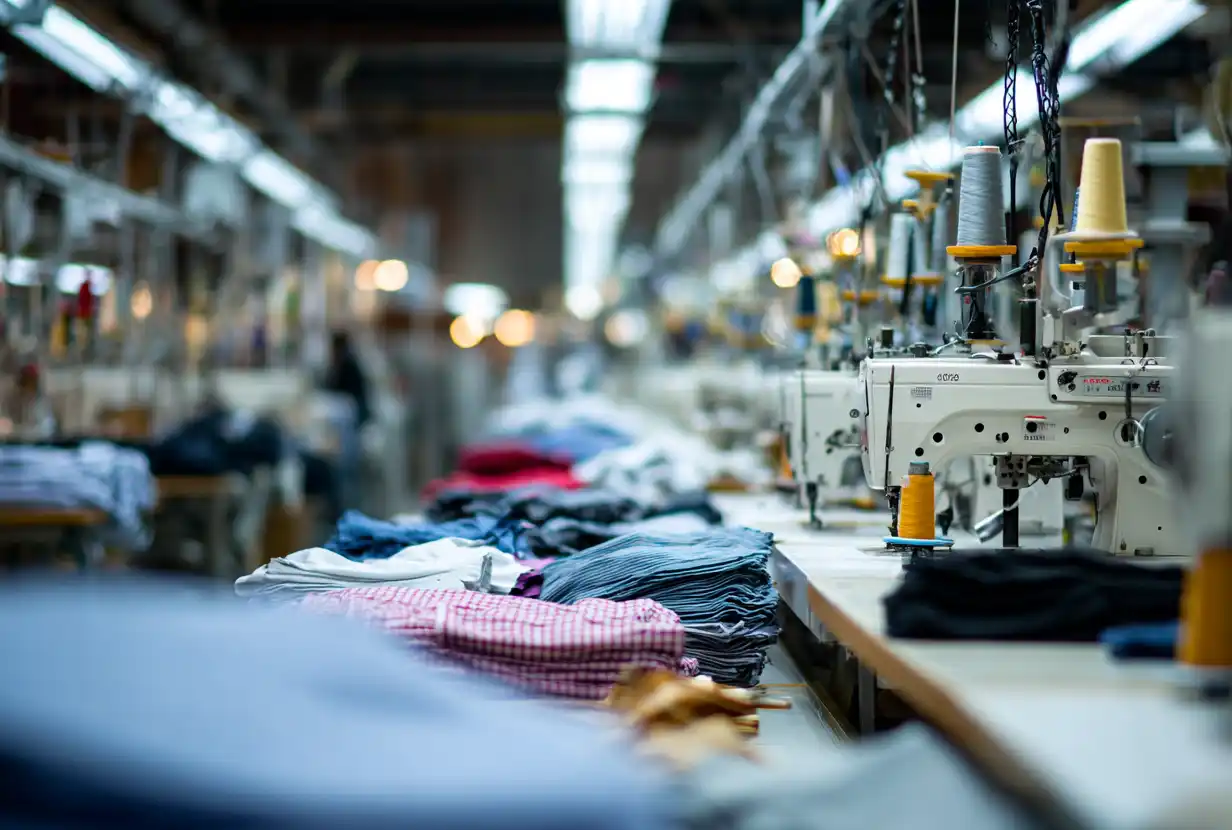
Leggings represent one of the highest-demand product categories in the global fitness apparel market. According to Statista, the activewear segment continues to show double-digit annual growth, with leggings accounting for a significant share of total volume. For B2B fitness brands, selecting the right legging factory determines product quality, margin potential, and time-to-market.
The legging manufacturing landscape in China includes specialized factories that focus exclusively on stretch knits, seamless construction, and performance fabrics. These factories differ from general apparel manufacturers in their equipment, technical expertise, and quality control processes. Understanding these differences is critical for brands sourcing private label fitness apparel at scale.
Factory Selection Criteria
When evaluating legging factories, B2B buyers should assess multiple dimensions beyond basic pricing. The following criteria form a comprehensive evaluation framework:
| Criterion | Why It Matters | What to Verify |
|---|---|---|
| Fabric Expertise | Leggings require stretch knit specialists | Request fabric swatches and spec sheets |
| Sewing Equipment | Four-needle flatlock and overlock essential | Audit factory floor or request video tour |
| MOQ Flexibility | Affects cash flow and inventory risk | Negotiate tiered MOQ for SKUs |
| Certifications | Required for retail compliance | OEKO-TEX, GRS, WRAP certificates |
| Lead Time | Impacts seasonal product launches | Confirm production capacity calendar |
| Sample Quality | Predicts bulk production quality | Order pre-production samples |
Top Legging Factory Comparison
Not all legging factories deliver the same quality, pricing, or service levels. The comparison below illustrates typical factory profiles you will encounter when sourcing from China.
Fabric Sourcing
Legging quality starts with fabric. Leading factories source from established knit mills that produce performance-grade nylon-spandex, polyester-spandex, and recycled blends. The fabric composition directly affects opacity, stretch recovery, moisture management, and durability.
| Fabric Type | Composition | Stretch | Best For |
|---|---|---|---|
| Nylon-Spandex | 80/20 or 75/25 | 4-way | Premium leggings, high compression |
| Polyester-Spandex | 85/15 or 88/12 | 4-way | Mid-range leggings, moisture-wicking |
| Recycled Poly-Spandex | 82/18 | 4-way | Eco-conscious brands |
| Cotton-Spandex | 95/5 | 2-way | Lifestyle leggings, low intensity |
Factories with GRS (Global Recycled Standard) certification can produce leggings from certified recycled polyester, which is increasingly demanded by sustainability-focused retailers. Verify the certification scope includes the specific fabric weight and composition you require.
MOQ and Pricing
Minimum order quantity (MOQ) varies significantly between factory tiers. Understanding the relationship between MOQ, pricing, and factory capability helps you negotiate effectively:
| Factory Tier | MOQ (per color) | FOB Price Range | Typical Lead Time |
|---|---|---|---|
| Small Workshop | 100-300 pcs | $3.50 - $5.50 | 10-15 days |
| Mid-Size Factory | 500-1,000 pcs | $2.80 - $4.20 | 15-25 days |
| Large Factory | 2,000+ pcs | $2.20 - $3.50 | 25-35 days |
| Vertical Mill | 5,000+ pcs | $1.80 - $2.80 | 30-45 days |
For brands testing new markets, starting with mid-size factories offers the best balance of quality, MOQ flexibility, and pricing. As volume grows, transitioning to large factories or vertical mills unlocks better unit economics. For related sourcing insights, see our guide on compression wear OEM manufacturing.
OEM Production Process
The legging OEM production process follows a structured sequence from design to delivery. Understanding each stage helps you manage expectations and avoid delays:
Stage 1: Design and Tech Pack
Provide a detailed tech pack including measurements, fabric specifications, construction details, and labeling requirements. A complete tech pack reduces sampling iterations by 40-60%.
Stage 2: Sample Development
Factories typically produce 2-3 sample rounds. The first sample validates fit and construction; subsequent samples refine fabric, color, and finishing details. Budget 7-14 days per round.
Stage 3: Pre-Production Approval
After final sample approval, the factory creates a pre-production sample using bulk fabric. This sample represents the final product quality and must be approved before bulk cutting begins.
Stage 4: Bulk Production
Cutting, sewing, printing, and finishing. For leggings, the critical operations are flatlock seaming, waistband attachment, and hem finishing. Production time depends on order volume and factory capacity.
Stage 5: Quality Inspection and Packing
Final inspection should check sizing, seam integrity, fabric defects, color matching, and labeling accuracy. AQL 2.5 is the industry standard for activewear inspection.
Quality Control Standards
Quality control for leggings involves specific tests that address the unique characteristics of stretch knit fabrics. Key tests include:
| Test | Standard | Pass Criteria |
|---|---|---|
| Stretch Recovery | AATCC 135 | <5% growth after 5 cycles |
| Colorfastness (Crocking) | AATCC 8 | Grade 3+ dry, 2-3 wet |
| Pilling Resistance | ASTM D4970 | Grade 3.5+ |
| Seam Strength | ASTM D1683 | >15 lbf |
| Moisture Wicking | AATCC 197 | Time < 5 min |
Factories should hold OEKO-TEX Standard 100 certification for skin-contact products. For factories producing for major brands, WRAP certification demonstrates social compliance. Additional information on textile testing standards is available from Wikipedia's textile testing overview.
Logistics and Lead Times
Understanding the full supply chain timeline helps you plan product launches and manage inventory effectively. From order confirmation to warehouse delivery, the typical timeline for legging production is:
| Phase | Duration | Key Deliverable |
|---|---|---|
| Tech Pack Review | 2-3 days | Confirmed specifications |
| Sample Development | 14-21 days | Approved PP sample |
| Bulk Production | 20-35 days | Finished goods |
| Quality Inspection | 2-3 days | Inspection report |
| Ocean Freight | 18-30 days | Port arrival |
| Customs + Delivery | 5-7 days | Warehouse ready |
For brands needing faster turnaround, air freight reduces shipping time to 5-7 days but increases cost by $2-4 per unit. Some factories also offer express sample shipping via DHL or FedEx for urgent pre-production samples. For more on activewear logistics, see our yoga set OEM manufacturing guide.
Common Questions About Legging Factory Sourcing
What is the typical MOQ for custom leggings at Chinese factories
The standard MOQ ranges from 300 to 1,000 pieces per color for mid-size factories. Small workshops may accept 100-300 pieces at higher unit prices, while large factories require 2,000+ pieces. Many factories offer tiered pricing where unit cost decreases as order volume increases, incentivizing larger commitments.
How long does it take to produce custom leggings from scratch
From tech pack submission to bulk delivery, the complete process takes 8-12 weeks. This includes 2-3 weeks for sampling, 3-5 weeks for bulk production, and 3-4 weeks for ocean freight. Express options can reduce total timeline to 5-6 weeks but at significantly higher cost.
Which certifications should I require from legging factories
At minimum, request OEKO-TEX Standard 100 for fabric safety and WRAP for factory social compliance. If using recycled materials, require GRS certification. For European markets, REACH compliance is mandatory. Major retailers may also require BSCI or Sedex audits for ethical sourcing verification.
Can factories produce seamless leggings as well as cut-and-sew
Some factories specialize in seamless knitting using Italian Santoni machines, while others focus on cut-and-sew construction. Seamless production requires different equipment and expertise. Confirm the factory's specific capabilities before placing orders, as not all legging factories produce both types.
What is the difference between nylon-spandex and polyester-spandex leggings
Nylon-spandex offers superior stretch recovery, smoother hand-feel, and better compression, making it ideal for premium leggings. Polyester-spandex provides excellent moisture wicking and color fastness at lower cost, making it the standard choice for mid-range products. Both compositions are available in recycled versions for sustainability-focused brands.
How do I ensure color consistency across multiple production runs
Maintain a physical approved lab dip and request color matching under D65 light source with Delta E tolerance of 1.0 or below. Keep detailed dyeing specifications including fabric supplier, dye recipe, and processing conditions. For reorders, reference the original lab dip and request pre-production samples for verification.
