
Professional athletic socks sourcing guide for private label fitness brands and boutique apparel startups, covering materials, knitting technology, and OEM factory selection.
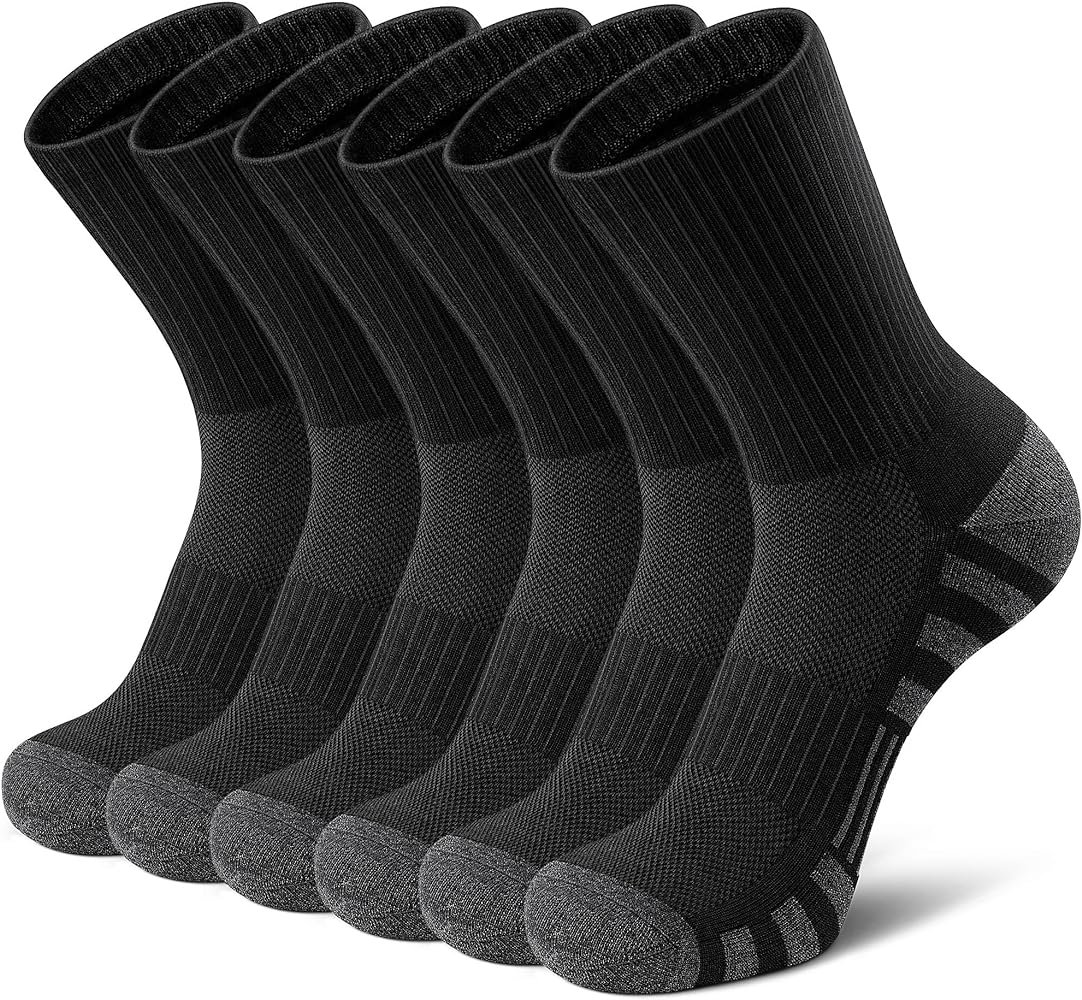
Table of Contents
- Overview of the Athletic Socks OEM Market
- Main Athletic Sock Categories
- Material Composition and Performance Fibers
- Knitting Technology and Production Process
- Manufacturer Comparison by Region
- MOQ, Lead Time, and Pricing Structure
- Certifications and Compliance Standards
- Design and Customization Tips for Private Labels
- Common Questions About Athletic Sock Manufacturing
- Sourcing Recommendations for 2026
Overview of the Athletic Socks OEM Market
Athletic socks have quietly become one of the most overlooked profit centers in the fitness apparel industry. While leggings and sports bras dominate private label budgets, socks deliver higher unit margins, repeat purchase behavior, and lower MOQ barriers that make them ideal for emerging brands.
According to Statista, the global athletic footwear and accessories segment surpassed $145 billion in 2025, with socks representing a fast-growing accessory category. The global performance socks market specifically is forecast to reach $48 billion by 2028, driven by rising gym participation, athleisure adoption, and the expansion of cross-training and running communities.
For private label brands, this market offers a strategic entry point. Socks require less capital than leggings or sports bras, are easier to ship due to compact packaging, and create a natural bundling opportunity with existing fitness apparel lines. The challenge is finding OEM partners who can deliver consistent quality across multiple fabric blends, sizes, and knitting techniques.
Main Athletic Sock Categories
Before contacting manufacturers, private label brands should understand the four primary athletic sock categories and their target use cases.
| Category | Cuff Height | Primary Use | Typical Buyer |
|---|---|---|---|
| No-Show Socks | Below ankle | Running, training, lifestyle sneakers | Running brands, minimalist trainers |
| Ankle / Low-Cut | Above shoe line | Gym training, CrossFit, casual wear | General fitness, lifestyle brands |
| Crew Socks | Mid-calf | Basketball, hiking, statement style | Performance brands, streetwear crossover |
| Knee-High / Compression | Below knee | Recovery, endurance sports, post-workout | Endurance runners, recovery-focused brands |
Established sock brands such as Stance, Bombas, and Nike Elite have built strong identities by specializing in specific categories. Stance focuses on crew socks with bold patterns for the action sports and streetwear crossover. Bombas donates a pair for every pair sold and emphasizes arch support and blister protection. Nike Elite uses advanced yarn blends to target serious runners.
Private label brands entering this market should focus on one or two categories first, then expand the catalog once quality and fit are validated with target customers.
Material Composition and Performance Fibers
Material selection is the single most important quality differentiator in athletic socks. Unlike fashion socks, performance socks must balance comfort, moisture management, durability, and fit retention across dozens of wash cycles.
| Fiber | Function | Common Ratio | Best For |
|---|---|---|---|
| Combed Cotton | Softness, breathability | 65-80% | Casual athletic, lifestyle lines |
| Polyester (Coolmax/Dri-Fit) | Moisture wicking, quick dry | 30-60% | Running, gym training |
| Nylon | Durability, shape retention | 10-25% | Heel and toe reinforcement |
| Spandex / Lycra | Stretch, arch compression | 3-8% | All categories, around arch and cuff |
| Merino Wool | Temperature regulation, odor control | 20-50% | Hiking, premium running, winter lines |
| Bamboo Charcoal | Antibacterial, eco-friendly | 5-15% | Sustainable collections, sensitive skin |
Most quality athletic socks blend two to four fibers to balance performance and comfort. For gym training socks, a 70% combed cotton, 25% polyester, 3% nylon, 2% spandex blend is a reliable starting point. For premium running socks, brands typically increase polyester or merino wool content for better moisture management.
For a deeper dive into fabric selection for fitness apparel, see our custom gym wear fabrics guide, which covers broader fabric strategies for activewear product lines.
Knitting Technology and Production Process
Modern athletic socks are produced on computerized knitting machines, primarily Italian-made Sandonini, Lonati, and Korean-made Da Kong equipment. The two main knitting methods for athletic socks are:
For a broader technical overview of hosiery manufacturing and circular knitting processes, the Wikipedia hosiery manufacturing reference provides useful background on the industry.
- 200-needle knitting: Standard needle count for everyday athletic socks. Faster production, lower cost, suitable for cotton-blend casual performance lines.
- 144-needle or 168-needle knitting: Finer gauge used for premium running, dress, and seamless toe-closure socks. Higher density yarn placement produces better cushioning and a smoother interior feel.
Production stages for a private label athletic sock order typically include:
- Design and tech-pack confirmation: The brand submits specifications including size chart, fiber composition, color palette (Pantone codes), logo placement, and packaging requirements. Most OEM manufacturers require 2-3 weeks for sample development.
- Yarn sourcing and dyeing: Yarn is sourced in greige (raw) form and dyed to the brand's color specifications. Some manufacturers stock common colors, which can shorten lead time by 1-2 weeks.
- Knitting: The sock body is knitted on automated machines, with reinforcements added to the heel, toe, and arch zones based on the design.
- Toe linking or seamless toe: Traditional socks use a toe-linking machine to close the toe. Premium lines use seamless toe technology (Rosso-style) for a flatter, more comfortable seam.
- Boarding and finishing: Socks are stretched over heated metal forms to set their final shape, then trimmed, paired, and labeled.
- Quality control and packaging: Final inspection checks sizing, color consistency, defects, and pair matching. Packaging options include individual polybags, header cards, or custom gift boxes.
Total production time for a 5,000-pair order typically runs 30-45 days from confirmed sample, plus 10-15 days for sample development. Larger orders above 50,000 pairs may extend to 60-75 days depending on yarn availability.
Manufacturer Comparison by Region
Most private label athletic sock brands source from three primary regions. Each offers distinct advantages and trade-offs.
| Region | Strengths | Typical MOQ | Price Range (FOB, per pair) |
|---|---|---|---|
| China (Zhuji, Datang) | Highest capacity, full OEM service, mature supply chain | 500-1,000 pairs per style | $0.80 - $2.50 |
| Turkey | Premium cotton, EU compliance, fast shipping to Europe | 1,000-2,000 pairs per style | $2.00 - $4.50 |
| Portugal | European craftsmanship, small-batch flexibility | 300-800 pairs per style | $3.50 - $7.00 |
| South Korea | Advanced knitting tech, fashion-forward designs | 1,000+ pairs per style | $2.50 - $5.00 |
China remains the dominant sourcing destination for athletic socks, with the Zhuji and Datang clusters in Zhejiang province producing the majority of global output. These regions offer the deepest supply chain, the most competitive pricing, and the broadest range of knitting capabilities. For B2B buyers building a private label sock line at scale, Chinese manufacturers deliver the best balance of cost, capacity, and customization.
Turkey is the preferred choice for European brands prioritizing shorter shipping times and cotton quality. Turkish mills specialize in premium cotton, merino blends, and fashion-forward designs.
Portugal targets boutique and luxury buyers willing to pay a premium for European craftsmanship and small-batch flexibility. Many high-end fashion sock brands source from Portugal.
South Korea is a smaller but growing source for fashion-driven athletic socks, particularly brands targeting the K-fashion and K-beauty crossover markets.
MOQ, Lead Time, and Pricing Structure
Understanding the economics of athletic sock manufacturing helps private label brands plan inventory investment and pricing strategy.
For Chinese OEM sock factories, the typical pricing structure for a 5,000-pair order of standard crew socks in a 70/25/3/2 cotton-polyester-nylon-spandex blend is approximately $1.20-$1.80 FOB per pair. Prices drop to $0.80-$1.20 per pair at 20,000+ pair volumes. Premium seamless toe construction or merino wool blends push pricing to $2.50-$4.00 per pair.
Lead times vary significantly based on order complexity:
- Sample development: 10-15 days for initial sample, 5-7 days for revised samples
- Bulk production: 30-45 days for orders under 20,000 pairs, 45-75 days for larger orders
- Shipping: 25-35 days sea freight from China to US or Europe, 7-10 days air freight
For more details on cost structure and lead time for fitness apparel in general, see our seamless activewear manufacturing guide, which covers production planning for related fitness product categories.
Certifications and Compliance Standards
Certifications matter more in the sock category than many private label brands expect. Athletic socks come into direct contact with skin during high-sweat activities, and consumer awareness of textile chemical safety has grown significantly in the last five years.
The most relevant certifications for athletic sock OEM sourcing include:
- OEKO-TEX Standard 100: Tests every component of the sock for harmful substances. This is the baseline certification for any brand selling in North America or Europe. Learn more about OEKO-TEX Standard 100.
- GRS (Global Recycled Standard): Required for brands marketing socks made from recycled polyester, recycled cotton, or other recycled fibers. Read the GRS standard details.
- BSCI / SEDEX: Social compliance audits verifying ethical labor practices in the factory. Required by most European retailers and many large US brands. WRAP certification is the US equivalent.
- ISO 9001: Quality management system certification. Less common in socks than in other apparel categories, but signals a mature production operation.
For private label brands targeting the US or EU market, OEKO-TEX Standard 100 should be the minimum requirement when selecting a manufacturing partner. BSCI or SEDEX compliance becomes important when selling through larger retailers or marketplaces that require ethical sourcing documentation.
Design and Customization Tips for Private Labels
Private label athletic sock design involves more decisions than most new brands anticipate. Beyond color and logo placement, B2B buyers should consider these key design factors:
1. Size range strategy: Decide early whether to offer one universal size (with stretch), gender-specific sizing (typically S/M/L), or detailed numeric sizing. One-size-fits-all reduces inventory complexity but limits fit quality. Numeric sizing increases customer satisfaction but requires more SKUs and inventory commitment.
2. Cushioning zones: Different athletic activities require different cushioning patterns. Running socks need heel and ball-of-foot cushioning. CrossFit and weightlifting socks often have minimal cushioning with reinforced stitching. Recovery and lifestyle socks focus on arch and ankle cushioning.
3. Mesh ventilation panels: Adding mesh knit on top of the foot improves breathability significantly. Most premium athletic socks include at least one mesh panel. This is a low-cost upgrade that meaningfully improves perceived quality.
4. Logo and branding placement: Common logo zones include the cuff, the side of the foot, the toe (less common), and the sole. Woven logos are more durable than printed logos for athletic applications. Embroidery is rarely used on socks due to discomfort against skin.
5. Packaging: Most athletic socks ship in 1-3 pair packs. For retail, individual pairs with header cards are common. For e-commerce, multi-pair packs (3-pair, 5-pair, 6-pair) are increasingly popular. Custom packaging adds 5-15% to unit cost but significantly elevates brand presentation.
Common Questions About Athletic Sock Manufacturing
What is the typical MOQ for custom athletic socks from a Chinese OEM
Most Chinese sock manufacturers require 500-1,000 pairs per style per color as the minimum order. Some factories accept 300 pairs for first-time buyers willing to pay a small surcharge (typically 10-20%). For complex designs with multiple color changes or custom knitting, MOQ may increase to 2,000 pairs.
How long does it take to develop a sample athletic sock
Sample development typically takes 10-15 business days from the date the factory receives a complete tech-pack with specifications, Pantone colors, and design files. Revisions add another 5-7 days per round. Most brands require 2-3 sample rounds before approving bulk production, so the full sampling cycle averages 4-6 weeks.
What fiber blend works best for gym training socks
A 70% combed cotton, 25% polyester, 3% nylon, 2% spandex blend is a proven starting point for general gym training socks. This composition balances comfort, moisture management, and durability. For high-intensity training or hot environments, increase polyester to 40-50% and reduce cotton to 45-55% for better wicking performance.
Can I order athletic socks with my brand logo woven into the cuff
Yes, woven logos on the cuff are standard for private label athletic socks. Most manufacturers offer woven, embroidered, or printed logo options. Woven logos are the most durable and are recommended for athletic use where socks are stretched and washed frequently. There is usually no extra charge for woven logos above the standard MOQ.
What is the difference between 144-needle and 200-needle knitting for socks
200-needle knitting produces standard gauge athletic socks with a slightly thicker, more textured surface. 144-needle (and 168-needle) knitting produces finer gauge socks with denser yarn placement, resulting in smoother interiors, better cushioning, and a more premium feel. Finer gauge knitting is more expensive and slightly slower, but is the standard for high-end running and dress athletic socks.
Are sustainable or recycled athletic socks commercially viable for private labels
Recycled polyester athletic socks are now mainstream, with major brands like Adidas, Nike, and Allbirds offering recycled options at competitive price points. GRS-certified recycled polyester adds approximately 10-20% to the unit cost but is increasingly expected by consumers. Bamboo and organic cotton are also viable sustainable options, though pricing is typically 30-50% higher than standard cotton blends.
Sourcing Recommendations for 2026
Athletic socks represent a strategic product category for private label fitness brands in 2026. They require less capital investment than leggings or sports bras, ship easily in compact packaging, and deliver strong repeat purchase rates that build long-term customer lifetime value.
For B2B buyers evaluating OEM partners, prioritize Chinese sock manufacturers in the Zhuji and Datang clusters for the best balance of cost, capacity, and customization. Verify OEKO-TEX Standard 100 certification as a minimum baseline, and consider BSCI or SEDEX compliance for brands selling through larger retail channels.
Start with a focused 2-3 SKU launch in one or two sock categories, validate quality and fit with a small customer base, then expand the catalog. This staged approach minimizes inventory risk while building the operational expertise needed to scale a private label sock line.
For more guidance on building a private label fitness apparel business, explore our private label gym shorts manufacturing guide and our comprehensive custom sports bra manufacturers guide for adjacent product categories.
