
Table of Contents
- Quick Answer
- Why Price Differences Exist in Activewear
- Overview: What Increases Production Cost
- Factor 1: Premium Fabric Selection
- Factor 2: Advanced Fabric Technology
- Factor 3: Complex Garment Construction
- Factor 4: Seamless & Compression Techniques
- Factor 5: Customization & Branding Details
- Factor 6: Strict Quality Control Standards
- Factor 7: Smaller Production Quantities
- High-Cost vs Standard Activewear Comparison
- How to Decide If Higher Cost Is Worth It
- How Fukigymwear Helps Control Costs
- FAQ
- Conclusion
Quick Answer
Some activewear costs more to produce due to premium fabrics, advanced construction techniques, higher customization, strict quality control, and lower production volumes.
At FuKi Gymwear, we help brands understand these factors to balance cost and product value effectively.
Why Price Differences Exist in Activewear
Not all activewear is created the same.
Two similar-looking products can have very different production costs because of:
- fabric quality
- production complexity
- performance requirements
- manufacturing processes
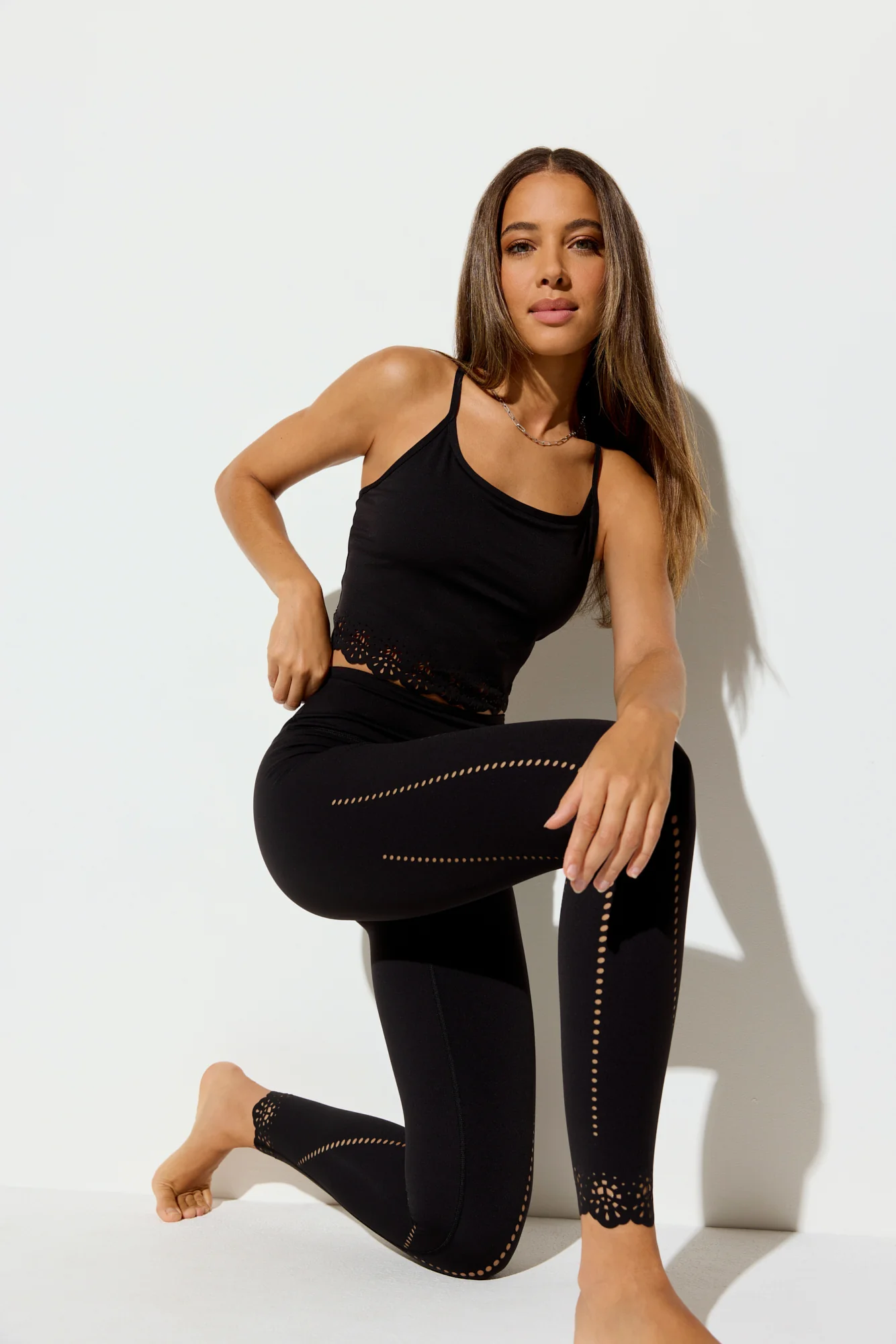
👉 The price difference is often linked to performance and durability, not just appearance.
Overview: What Increases Production Cost
The main factors that increase cost include:
- high-performance materials
- complex design and construction
- specialized production techniques
- customization requirements
- quality control standards
- order size
👉 Understanding these helps brands make smarter decisions.
Factor 1: Premium Fabric Selection
High-end fabrics increase cost significantly.
Examples include:
- nylon + spandex blends
- high-density compression fabrics
- brushed or soft-touch materials
👉 Premium fabrics improve comfort, durability, and performance.
Factor 2: Advanced Fabric Technology
Some fabrics include additional technologies:
- moisture-wicking
- anti-odor treatments
- UV protection
- quick-dry finishes
👉 These features require extra processing, increasing cost.
Factor 3: Complex Garment Construction
More complex designs require more work.
Examples:
- multiple panels
- curved seams
- ergonomic shaping
👉 More construction steps = higher labor cost.
Factor 4: Seamless & Compression Techniques
Advanced production methods increase cost.
Examples:
- seamless knitting
- compression mapping
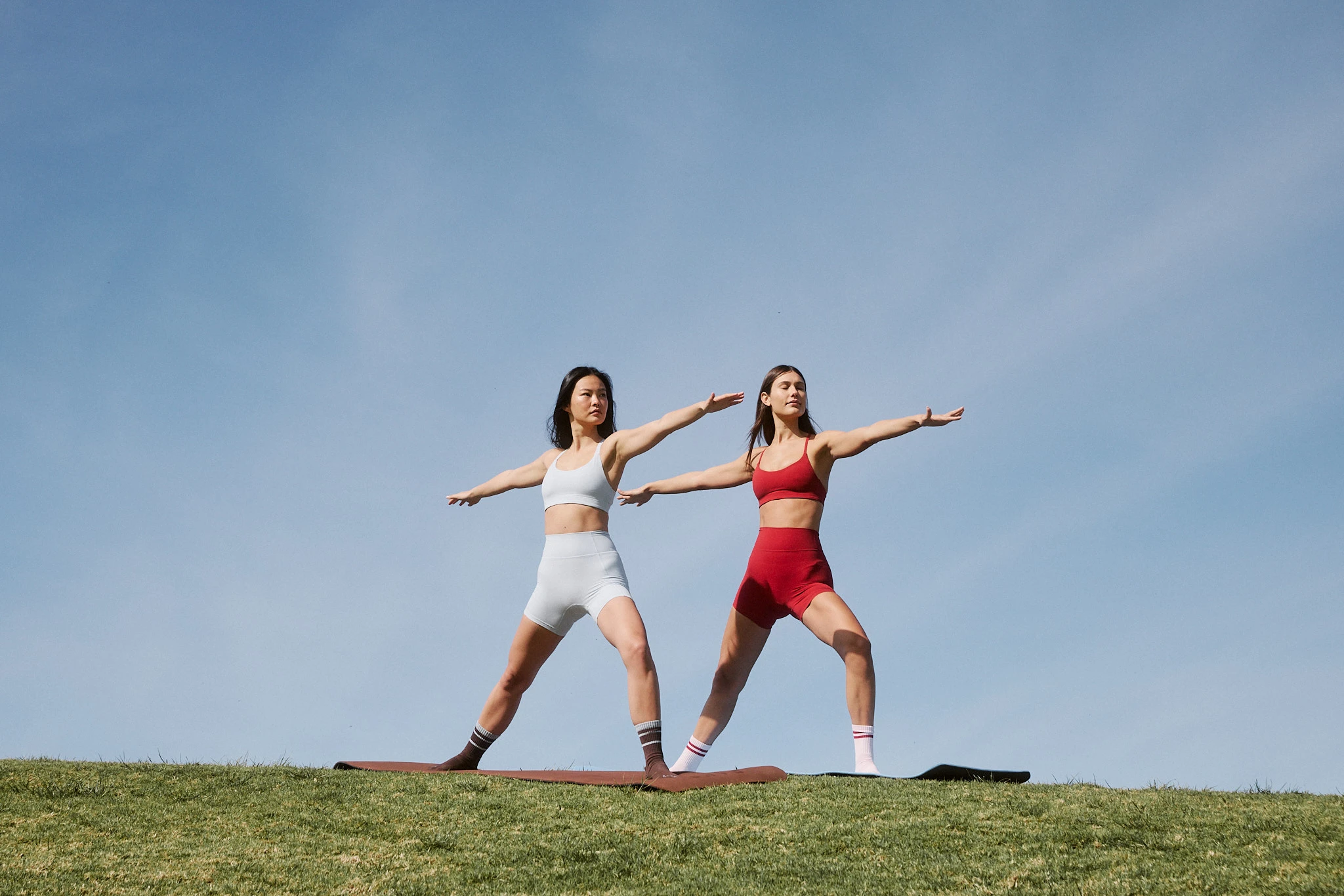
👉 These require specialized machines and expertise.
Factor 5: Customization & Branding Details
Customization adds to production cost.
Includes:
- logo printing
- embroidery
- custom labels
- special packaging
👉 More customization = higher cost.
Factor 6: Strict Quality Control Standards
Higher quality standards require:
- detailed inspections
- testing procedures
- defect control
👉 Strong quality control reduces returns but increases cost.
Factor 7: Smaller Production Quantities
Order size impacts cost per unit.
- low MOQ → higher unit cost
- high MOQ → lower unit cost
👉 Small orders are less efficient for factories.
High-Cost vs Standard Activewear Comparison
| Feature | High-Cost Activewear | Standard Activewear |
|---|---|---|
| Fabric | Premium | Basic |
| Construction | Complex | Simple |
| Technology | Advanced | Limited |
| Customization | High | Minimal |
| Quality Control | Strict | Standard |
| Price | Higher | Lower |
How to Decide If Higher Cost Is Worth It
Higher production cost may be justified if:
- your brand targets premium customers
- performance is a key selling point
- product durability is important
- brand positioning requires higher quality
👉 Not every product needs to be premium—choose based on your strategy.
How Fukigymwear Helps Control Costs
At FuKi Gymwear, we help brands balance cost and performance.
Our approach:
- recommend suitable materials
- optimize design complexity
- manage production efficiency
- maintain strict quality control
What we offer:
- low MOQ (100 pcs)
- sampling in 7–10 days
- bulk production in 25–35 days
- private label customization
- global shipping support
👉 We focus on delivering value, not just lowering cost.
FAQ
Q1: Why do some gym clothes cost more than others?
Due to fabric quality, production complexity, and additional features.
Q2: Does higher cost always mean better quality?
Not always, but higher cost often reflects better materials and processes.
Q3: Can I reduce cost without losing quality?
Yes, by optimizing design and production methods.
Conclusion
Activewear production costs vary based on multiple factors, including materials, design, and production processes.
Understanding these differences helps brands make better decisions and position their products effectively.
If you are looking for a reliable partner, FuKi Gymwear can help you manage production costs while maintaining high product quality.
