
As someone who works closely with apparel manufacturers and tracks global sportswear trends for clients, I’ve noticed a clear shift in the last few years:
Puma is suddenly “cool” again.
From collaborations to social media momentum, Puma’s comeback isn’t accidental — it’s strategic, modern, and perfectly aligned with what today’s consumers want.
This article breaks down exactly why Puma is popular again, in a simple, beginner-friendly way.
Table of Contents
- Quick Answer
- 1. Celebrity Collaborations That Actually Work
- 2. Retro–Futuristic Sneaker Trend (Perfect Timing)
- 3. Affordable Premium Positioning
- 4. Strong Presence in Football, Running & Performance
- 5. Social Media & Youth Culture Momentum
- 6. Puma vs Other Brands Comparison
- Who Is Puma Best For?
- What Other Brands Can Learn
- FAQs
- Related Links
Quick Answer
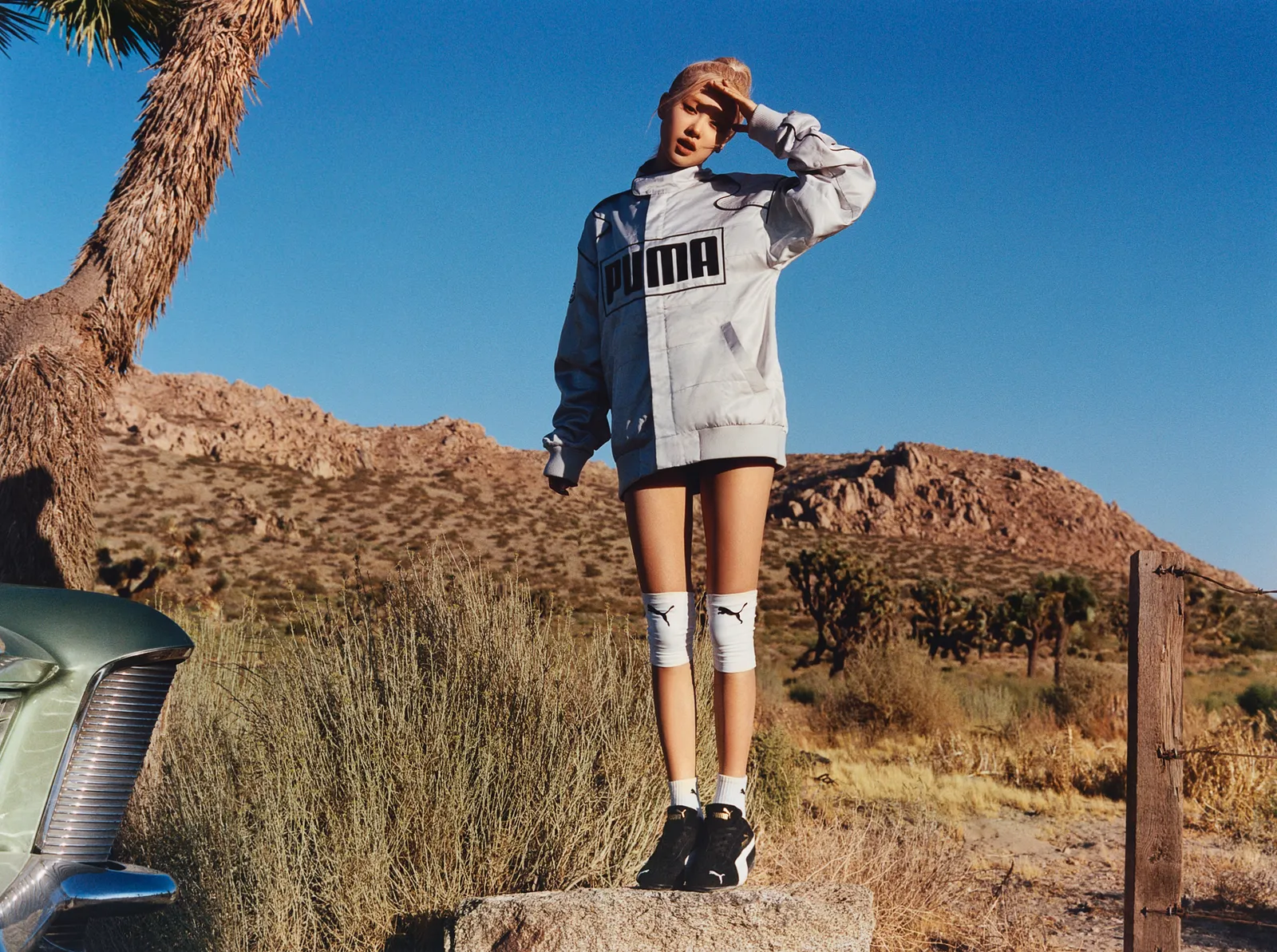
Puma is popular again because it combined celebrity partnerships, retro sneaker revivals, affordable pricing, and strong cultural relevance.
Instead of trying to be Nike or Adidas, Puma created its own lane — stylish, accessible, and trend-driven.
External references:
- Puma Official: https://about.puma.com
- Puma Collections: https://us.puma.com
1. Celebrity Collaborations That Actually Work
Some brands collaborate for hype.
Puma collaborates for identity.
Successful partnerships include:
- Rihanna (FENTY x Puma) — massive comeback moment
- Dua Lipa — elevates Puma’s younger audience
- Neymar Jr. — boosts football credibility
- A$AP Rocky — street culture validation
- LaMelo Ball — fast-growing basketball line
Unlike some brands, Puma lets collaborators co-create, which makes products feel more authentic.
OEM Insight:
When a collaboration influences the design from the ground up (not just color changes), consumers immediately feel the difference.
2. Retro–Futuristic Sneaker Trend (Perfect Timing)
Puma’s classics — like the Suede, Speedcat, and Palermo — made a major comeback thanks to the rising retro trend.
Why retro sneakers boosted Puma:
- 90s + Y2K nostalgia
- easier to style with modern streetwear
- clean silhouettes similar to Samba, Gazelle, AF1
- unisex appeal
- affordable entry price
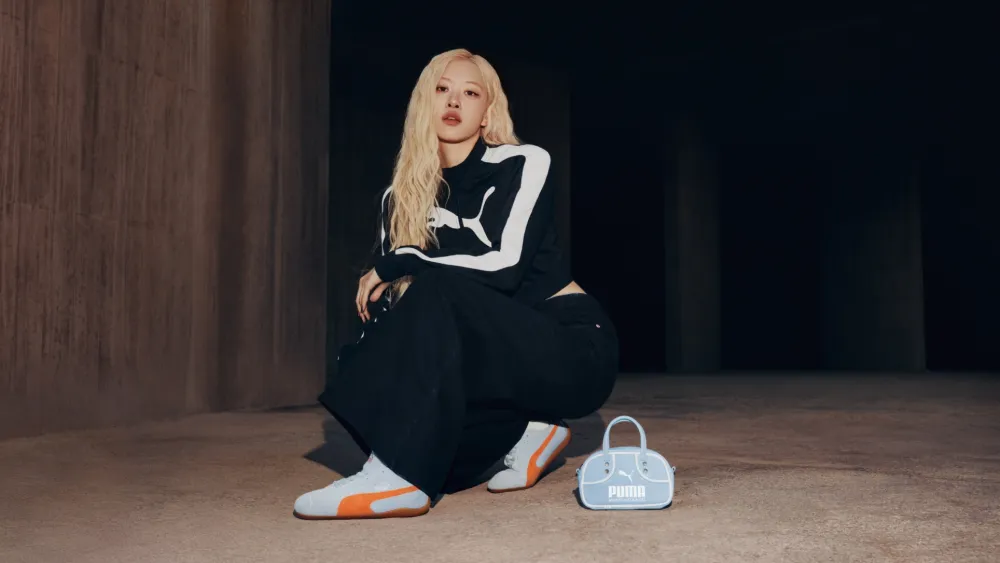
When the world wanted clean, simple, heritage sneakers, Puma already had the catalog.
3. Affordable Premium Positioning
Puma sits in a sweet spot:
more stylish than budget brands, more accessible than Nike or Adidas.
Consumers see Puma as:
- trendy but not expensive
- premium but still reachable
- style-focused but performance-capable
In a time of rising prices, Puma’s value proposition feels refreshing.
4. Strong Presence in Football, Running & Performance
Many people don’t realize how big Puma is in performance sports.
Key growth drivers:
- world-class football athletes
- competitive running technology
- expanding basketball category
- performance fabrics developed in-house
Having a serious sports foundation makes the brand credible — even if customers mainly buy lifestyle pieces.
5. Social Media & Youth Culture Momentum
Puma understands visual culture.
Why younger audiences love Puma again:
- bold colors + retro silhouettes
- TikTok styling trends
- affordable student-friendly pricing
- influencer collaborations
- FENTY revival hype
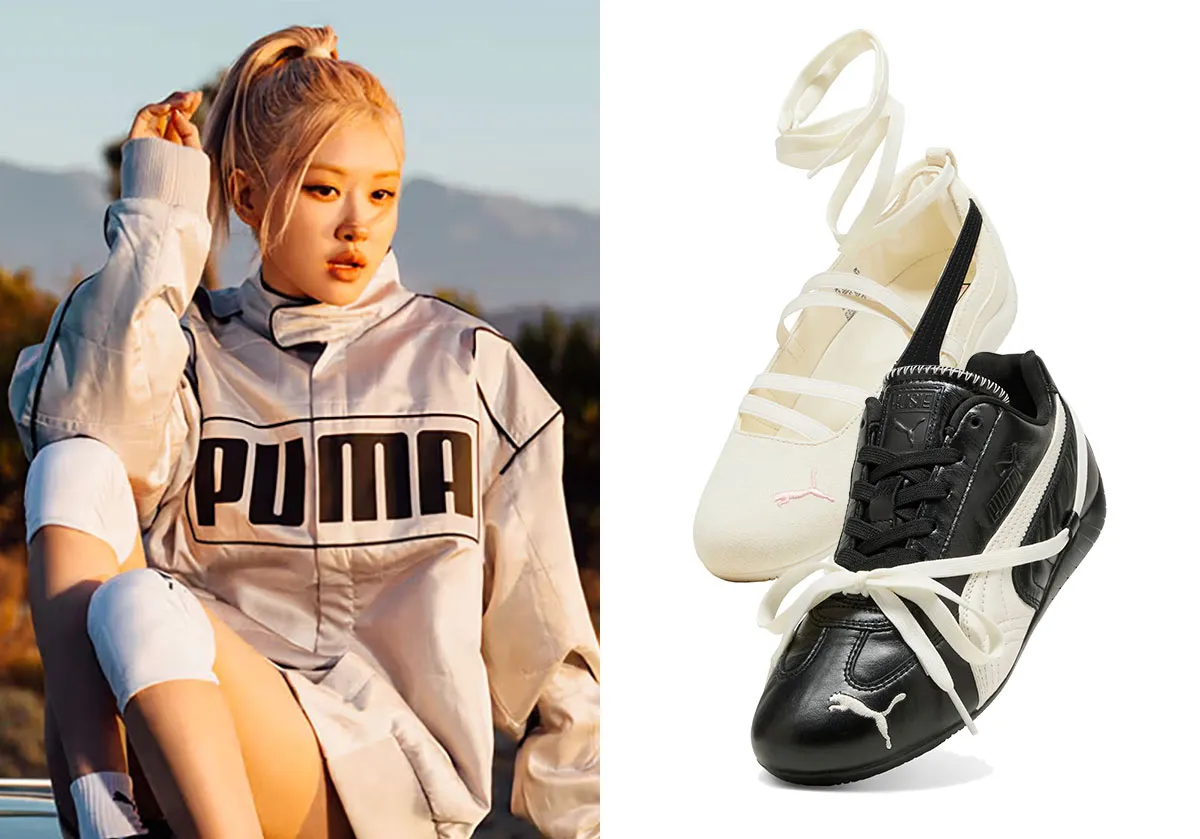
The brand feels fun, light, confident, not overly serious.
6. Puma vs Other Brands Comparison
| Brand | Strength | Weakness |
|---|---|---|
| Puma | Retro appeal, affordable premium, strong collabs | Smaller performance market share |
| Nike | Innovation marketing, massive athlete roster | Higher prices |
| Adidas | Classics like Samba & Gazelle | Product cycles can feel repetitive |
| New Balance | Retro tech appeal | Limited street partnerships |
| Reebok | Fitness heritage | Less cultural presence |
Who Is Puma Best For?
Puma is perfect if you want:
- stylish sneakers under premium pricing
- retro–futuristic looks
- celebrity-endorsed collections
- comfortable daily-wear shoes
- trending silhouettes without overspending
Not ideal if you want:
- top-tier marathon shoes
- advanced basketball cushioning comparable to Nike
Internal Link
Looking to develop your own sportswear or sneaker line inspired by brands like Puma?
👉 https://fukigymwear.com
What Other Brands Can Learn
✔ Lesson 1: Collaborations must feel authentic
Rihanna’s influence worked because she shaped the product identity.
✔ Lesson 2: Retro always comes back
Having heritage silhouettes ready allows brands to catch cultural waves.
✔ Lesson 3: Premium doesn’t have to mean expensive
Puma mastered “affordable premium,” a category many brands overlook.
✔ Lesson 4: Culture drives growth faster than ads
Youth culture + TikTok trends → explosive visibility.
FAQs
Q1: Why did Puma become popular again?
Because it combined retro sneaker trends, celebrity collaborations, and accessible pricing.
Q2: Is Puma a luxury sneaker brand?
No — it’s “affordable premium,” not luxury.
Q3: Are Puma sneakers good quality?
Yes. Their retro and lifestyle sneakers are durable and well-constructed for everyday use.
Q4: Does Puma compete with Nike or Adidas?
Indirectly. Puma focuses more on style and culture rather than pure performance dominance.
Related Links
- Puma Official: https://us.puma.com
- Puma Brand History: https://about.puma.com
- Activewear Manufacturing Partner: https://fukigymwear.com

