
Nike is more than just a sportswear brand — it’s a cultural powerhouse that continues to dominate the global activewear industry despite growing competition from Lululemon, Adidas, and emerging yoga brands.
But what exactly keeps Nike at the top after decades of innovation and shifting consumer trends? Let’s break it down clearly.
Table of Contents
- Quick Answer
- 1. Global Brand Recognition & Emotional Power
- 2. Product Innovation & Technology
- 3. Strategic Collaborations & Endorsements
- 4. Sustainability & Future Direction
- 5. Nike vs Competitors
- FAQs
- How FuKi Yoga Helps Brands Build the Next Global Activewear Success
Quick Answer
Nike remains the global activewear leader because of its unmatched brand influence, technological innovation, athlete partnerships, and adaptive marketing.
The company doesn’t just sell products — it sells identity, confidence, and lifestyle across generations.
In short: Nike leads not just in sales, but in emotional connection and consistent reinvention.
1. Global Brand Recognition & Emotional Power
Nike’s slogan — Just Do It — is more than advertising.
It’s a mindset that connects with billions worldwide.
Key reasons for its enduring emotional pull:
- ✅ Consistent storytelling around achievement and motivation
- 🌍 Global reach in over 190 countries
- 🏃♀️ Emotional alignment with both elite athletes and everyday consumers
| Factor | Description |
|---|---|
| Brand Identity | Confidence, empowerment, perseverance |
| Emotional Impact | Inspires action and self-belief |
| Market Reach | Worldwide across genders and lifestyles |
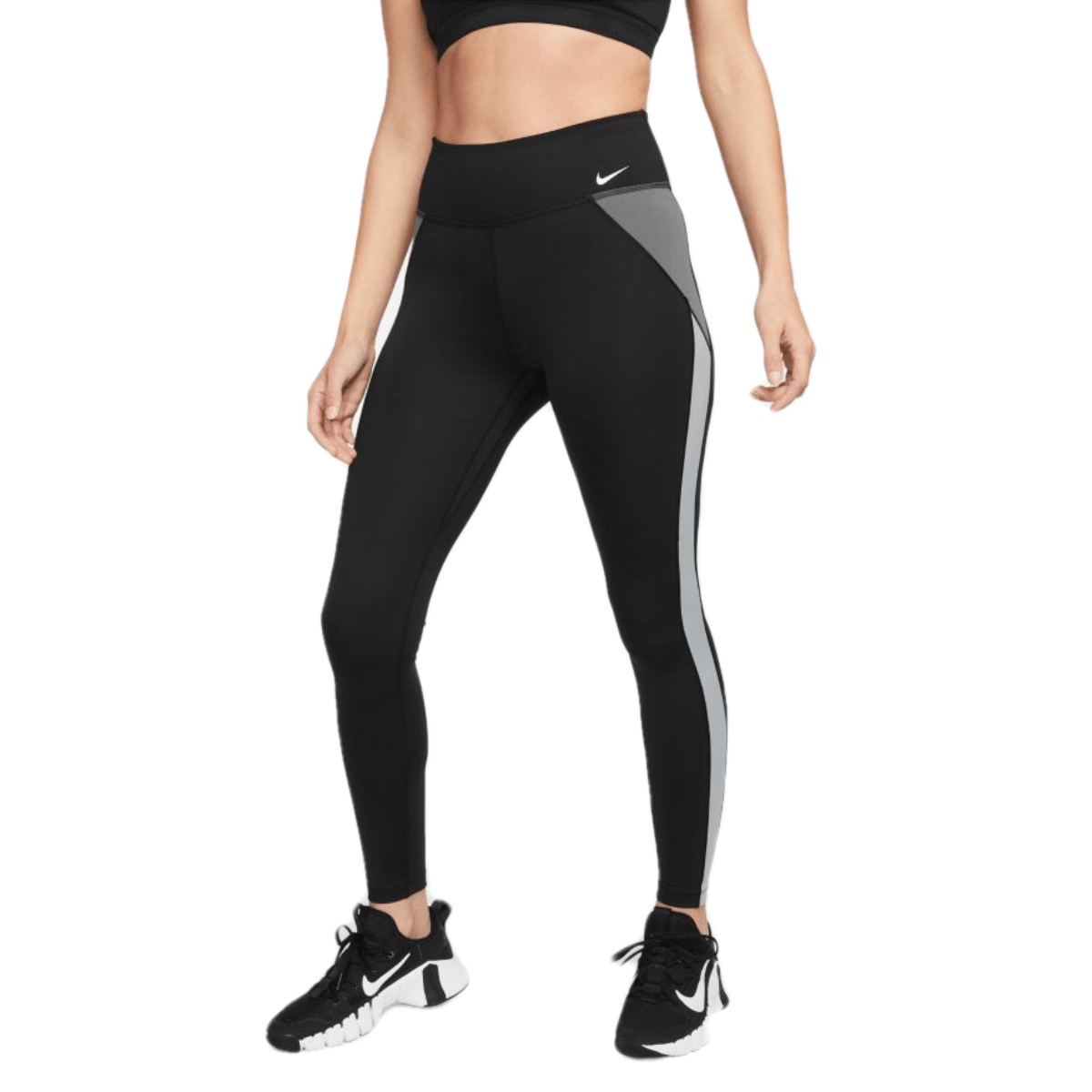
Nike isn’t competing for attention — it defines what “active lifestyle” means globally.
2. Product Innovation & Technology
Nike invests over $3 billion annually in research and design, pioneering fabrics and comfort systems like:
- Nike Dri-FIT: Sweat-wicking and quick-dry technology.
- Flyknit: Lightweight, sustainable, and ergonomic uppers.
- Air Zoom & React Foam: Enhanced shock absorption for running and training.
Its innovation isn’t limited to sports performance — it extends to everyday wear through the “athleisure” trend.
This tech-driven focus ensures Nike’s leggings, tops, and shoes stay ahead of both gym and streetwear competitors.
3. Strategic Collaborations & Endorsements
Nike builds relevance through culture.
Collaborations with athletes and celebrities make the brand aspirational yet relatable.
Famous examples:
- Michael Jordan – Air Jordan created a subculture in sports and fashion.
- Serena Williams – Women’s empowerment through athletic success.
- Travis Scott & Off-White – Streetwear crossover appeal.
| Partnership Type | Example | Impact |
|---|---|---|
| Athlete | LeBron James, Naomi Osaka | Trust & performance credibility |
| Designer | Virgil Abloh (Off-White) | Fashion crossover |
| Sustainability | Move to Zero | Eco innovation visibility |
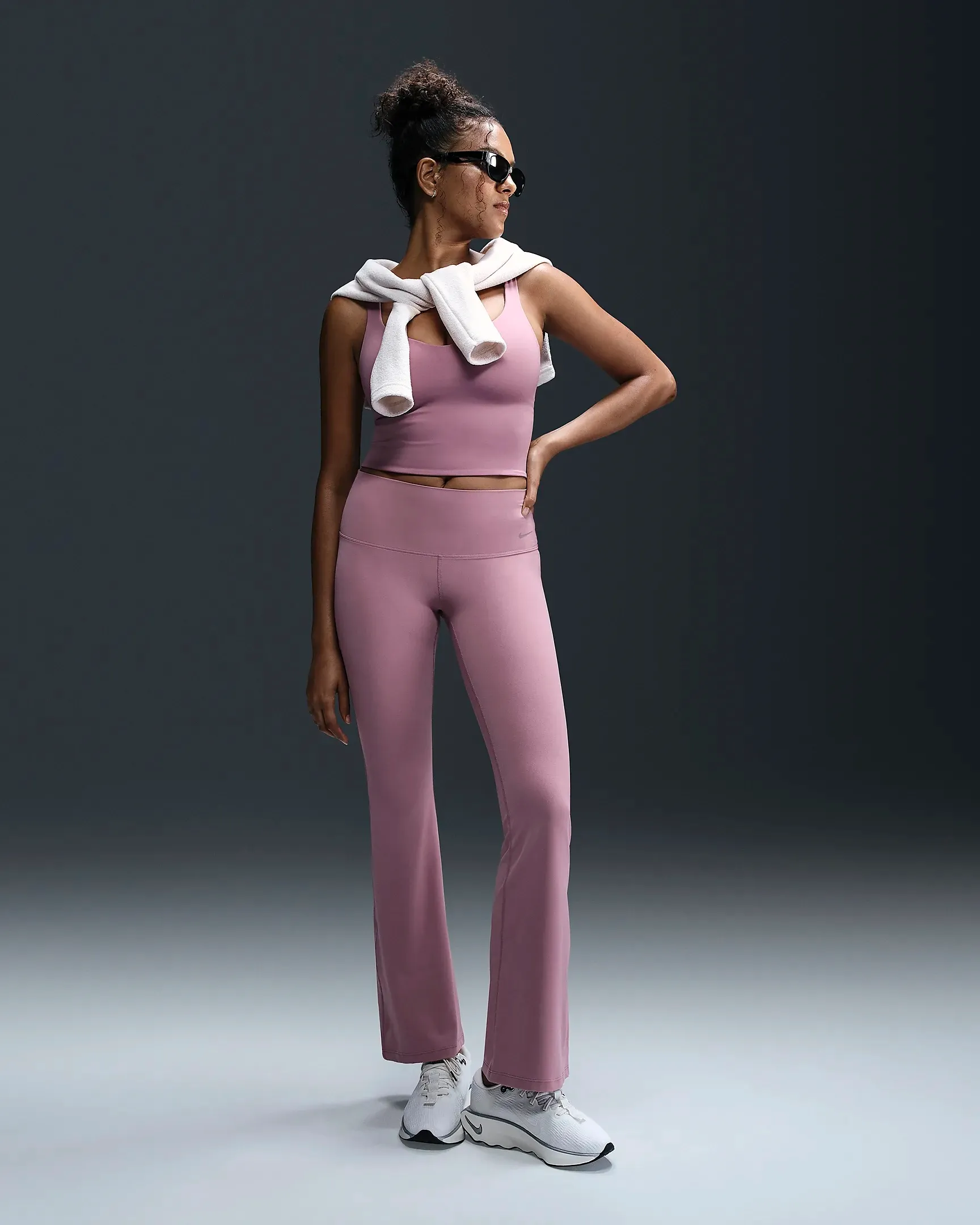
4. Sustainability & Future Direction
Nike’s “Move to Zero” initiative targets carbon neutrality and waste reduction:
- ♻️ 100% renewable energy in owned facilities
- 🌿 Recycled polyester and sustainable cotton use
- 🧵 Product take-back programs for reuse
However, some sustainability critics argue Nike’s scale makes true zero-waste difficult — an area where smaller brands like FuKi Yoga can innovate faster.
5. Nike vs Competitors
| Brand | Origin | Core Strength | Price Range (USD) | Sustainability |
|---|---|---|---|---|
| Nike | USA | Innovation + culture | $50–$160 | Moderate |
| Lululemon | Canada | Luxury yoga & lifestyle | $80–$150 | High |
| Adidas | Germany | Sports performance + design | $60–$180 | Strong |
| Under Armour | USA | Performance tech | $50–$120 | Moderate |
| FuKi Yoga | China | OEM/ODM eco manufacturing | $25–$85 | High |
Nike’s leadership is built on scale and culture — but smaller, agile brands now compete through sustainability and niche specialization.
FAQs
Q1: Is Nike still the largest activewear brand?
Yes. Nike leads with over $50 billion annual revenue, followed by Adidas and Lululemon.
Q2: Why hasn’t Nike lost dominance to Lululemon?
Because Nike appeals to a wider demographic — athletes, youth, and lifestyle buyers alike.
Q3: Is Nike sustainable?
Partially. Its “Move to Zero” strategy is progressing, but full transparency remains in development.
Q4: What’s Nike’s biggest advantage?
Its brand ecosystem — spanning performance, streetwear, and emotional storytelling.
How FuKi Yoga Helps Brands Build the Next Global Activewear Success
At FuKi Yoga, we help activewear startups and B2B brands create their own “mini-Nike” — combining craftsmanship, eco fabrics, and creative branding.
Our strengths include:
- 🧵 OEM & ODM for leggings, bras, sets, and outerwear
- 🌿 Sustainable fabrics: RPET, bamboo, organic cotton, Lycra
- 🩱 Low MOQ (100 pcs) with private labeling
- 🌍 Ethical manufacturing: BSCI, Sedex, and OEKO-TEX certified
- 💡 Brand development consulting: from concept to catalog
If Nike built its empire through innovation and consistency, FuKi Yoga empowers new brands to rise through sustainability and customization.
👉 Learn more at https://fukiyoga.com

