
Even after decades in the sportswear game, Nike remains the global leader in activewear — dominating innovation, design, and brand loyalty.
As someone working in the fitness apparel manufacturing industry, I’ve analyzed Nike’s strategy closely to understand why it continues to outperform brands like Adidas, Under Armour, and Lululemon.
Here’s the breakdown of how Nike keeps winning — and what lessons other brands can learn.
Table of Contents
- Global Brand Power Built on Emotion
- Innovation in Fabric and Design
- Mass Customization Meets Mass Production
- Marketing That Sells a Lifestyle
- Athlete Endorsements and Cultural Influence
- Nike vs Other Activewear Leaders
- Lessons for Emerging Brands
- FAQs
- About FuKi Gymwear – OEM Activewear Manufacturer
1. Global Brand Power Built on Emotion
Nike doesn’t just sell sportswear — it sells motivation, identity, and belief.
Their tagline “Just Do It” became more than a slogan; it’s a mindset.
From my industry view, Nike’s strength lies in emotional branding.
Their storytelling connects with customers on a deeper level:
- It’s inclusive (“If you have a body, you’re an athlete”).
- It celebrates personal progress, not perfection.
- It adapts to every generation’s voice — from athletes to creators.
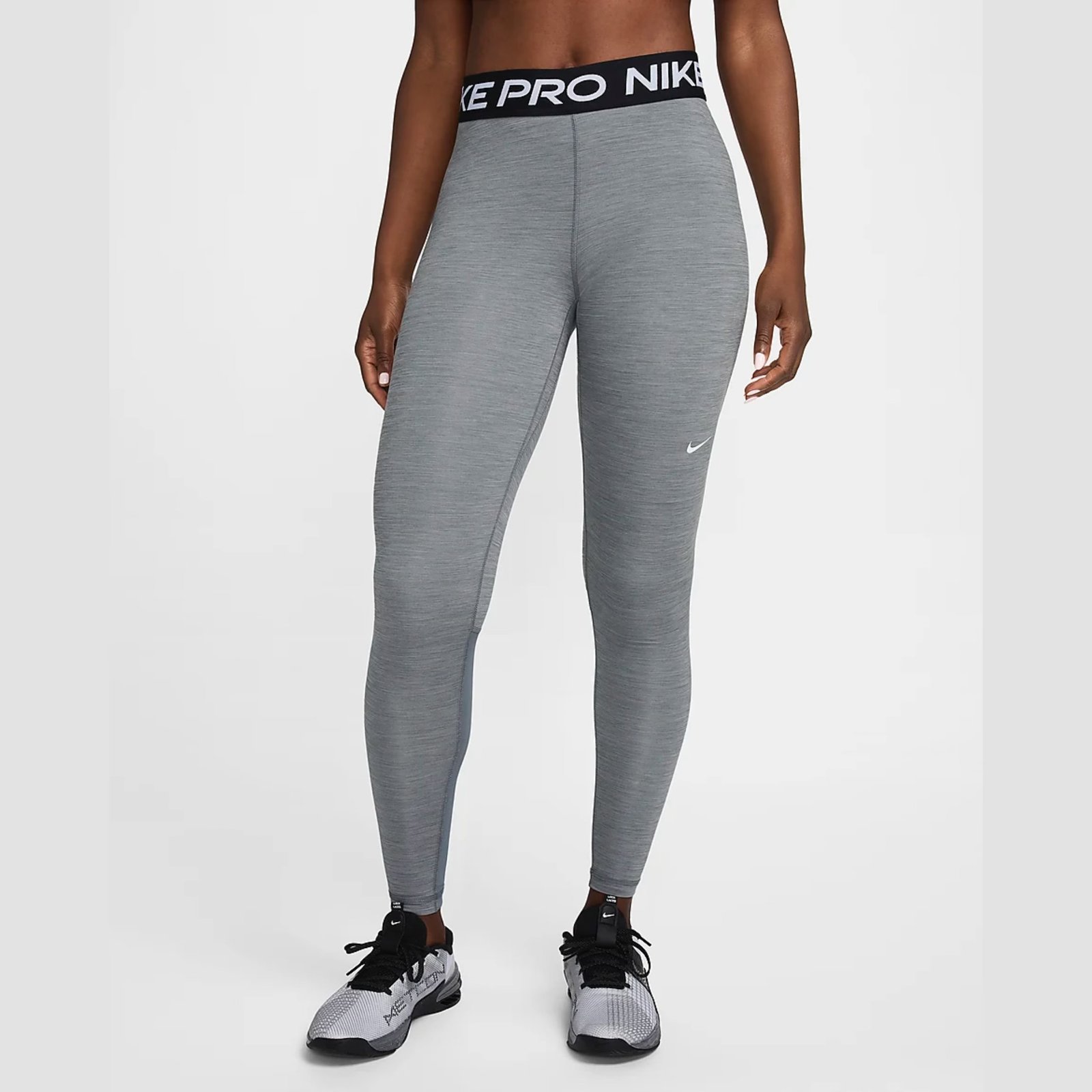
💡 Takeaway: Build emotional equity first — people follow meaning, not logos.
2. Innovation in Fabric and Design
Nike continuously leads with fabric science and performance innovation, setting the industry standard for comfort and technology.
| Technology | Function | Common Use |
|---|---|---|
| Dri-FIT | Sweat-wicking, breathable | Training tops, leggings |
| Flyknit | Seamless, lightweight knit | Running shoes |
| AeroSwift | Aerodynamic fit for athletes | Competition gear |
| Therma-FIT / Storm-FIT | Temperature regulation | Outdoor wear |
As a manufacturer, I’ve seen how Nike’s R&D focus pushes material suppliers to evolve.
They don’t chase trends — they create them.
3. Mass Customization Meets Mass Production
Nike has mastered something few brands achieve:
scalable personalization.
Through Nike By You, consumers can customize colors, fits, and styles — yet production efficiency remains high.
Behind the scenes, this relies on:
- Digitized supply chains
- Modular product design
- Smart forecasting and factory collaboration
🧵 For OEM manufacturers, this is the future — merging flexibility with speed.
4. Marketing That Sells a Lifestyle
Nike’s campaigns feel authentic and human.
They rarely talk about clothes — they talk about ambition, diversity, and resilience.
Iconic examples:
- “Dream Crazy” featuring Colin Kaepernick
- “You Can’t Stop Us” split-screen campaign
- Nike Women – “Better For It” initiative
They speak to identity, not inventory.
That’s why Nike remains relevant even as new brands flood the market.
5. Athlete Endorsements and Cultural Influence
From Michael Jordan to Serena Williams, Nike’s partnerships have built entire subcultures.
The Jordan Brand alone transcended sports — it became a fashion movement.
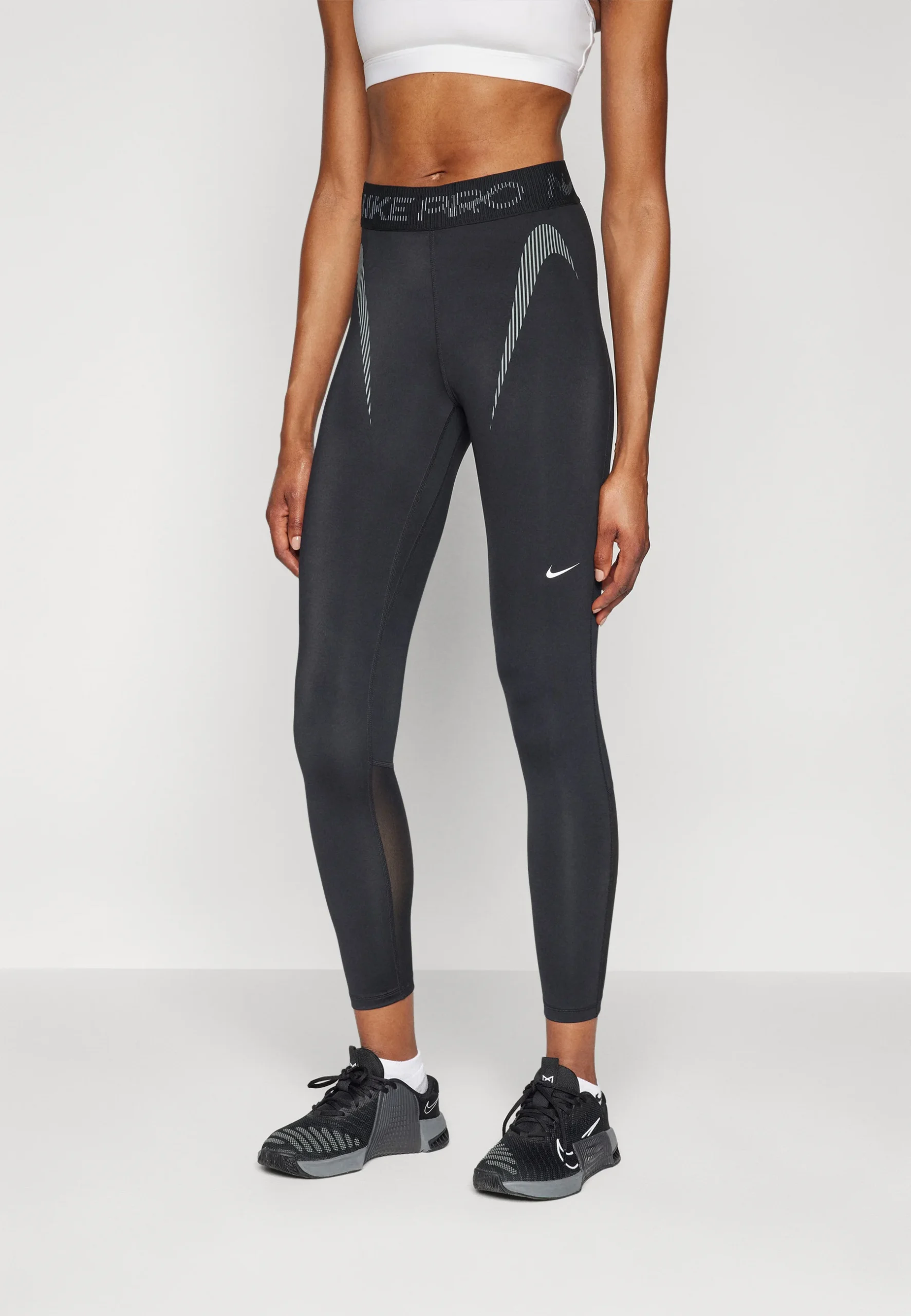
Nike chooses ambassadors who embody authenticity and social relevance, not just performance.
By combining sports, music, and streetwear, Nike maintains dominance across multiple markets — from gyms to global runways.
6. Nike vs Other Activewear Leaders
| Brand | Core Strength | Innovation Level | Price Range | Global Presence |
|---|---|---|---|---|
| Nike | Lifestyle + Performance | ⭐⭐⭐⭐⭐ | $$–$$$ | Global |
| Adidas | Sportstyle fashion | ⭐⭐⭐⭐ | $$ | Global |
| Under Armour | Compression tech | ⭐⭐⭐ | $$ | Moderate |
| Lululemon | Yoga + Athleisure | ⭐⭐⭐⭐ | $$$ | Premium markets |
| FuKi Gymwear | OEM Customization | ⭐⭐⭐⭐ | Flexible | B2B Global |
📊 Nike wins by being both emotional and technical — a rare balance.
7. Lessons for Emerging Brands
As a manufacturer, I believe new activewear labels can learn three key things from Nike:
- Tell a story – Don’t just list fabrics, tell what they empower people to do.
- Invest in innovation – Even one unique material or design feature can set you apart.
- Build a community – From Instagram to offline events, nurture loyal fans, not one-time buyers.
At FuKi Gymwear, we help startups develop this strategy — combining custom fabric engineering, brand storytelling, and flexible low-MOQ production to scale effectively.
8. FAQs
Q1: What keeps Nike ahead of its competitors?
Its balance of innovation, emotional branding, and strong supply chain integration.
Q2: Is Nike still growing in 2025?
Yes — Nike continues expanding in digital, sustainable, and women’s segments globally.
Q3: Can small brands replicate Nike’s model?
Not entirely — but they can adapt its principles: quality control, clear brand voice, and community engagement.
9. About FuKi Gymwear – OEM Activewear Manufacturer
At FuKiGymwear.com, we help fitness brands create their own premium-quality activewear, inspired by performance leaders like Nike.
Our services include:
- OEM & ODM production with low MOQ (100 pcs)
- Custom fabrics (Dri-FIT–style, nylon-spandex, recycled blends)
- Private labeling & logo printing
- Sampling in 7–10 days, mass production in 25–35 days
- Global shipping and full brand support
If you’re building your own activewear line, explore:

