
If you’ve ever browsed Lululemon’s website, you’ve probably asked yourself — why are these leggings $120?
As someone who’s worked with activewear OEM factories for years, I’ve seen firsthand what goes into premium sportswear manufacturing.
Lululemon’s pricing isn’t random — it’s a mix of fabric innovation, community branding, and perceived value that makes people feel like they’re buying a lifestyle, not just clothes.
Let’s break down why Lululemon remains one of the highest-priced names in activewear — and what lessons new brands can take from it.
Table of Contents
- Quick Answer
- 1. The Real Reason Lululemon Is So Expensive
- 2. Inside Lululemon’s Premium Fabric Technology
- 3. The Brand Strategy Behind the Price
- 4. Comparing Lululemon to Other Activewear Brands
- 5. What Small Brands Can Learn from Lululemon’s Premium Model
- FAQs
- Partnering with FuKi Gymwear to Build Premium Activewear
Quick Answer
✅ Lululemon is priced high because it invests heavily in patented fabrics, small-batch production, strict quality control, and brand community building.
Customers aren’t just paying for leggings — they’re paying for feel, function, and identity.
💬 From my OEM experience, I’ve seen brands use the same technical materials, but without Lululemon’s emotional connection or storytelling, the perceived value is much lower.
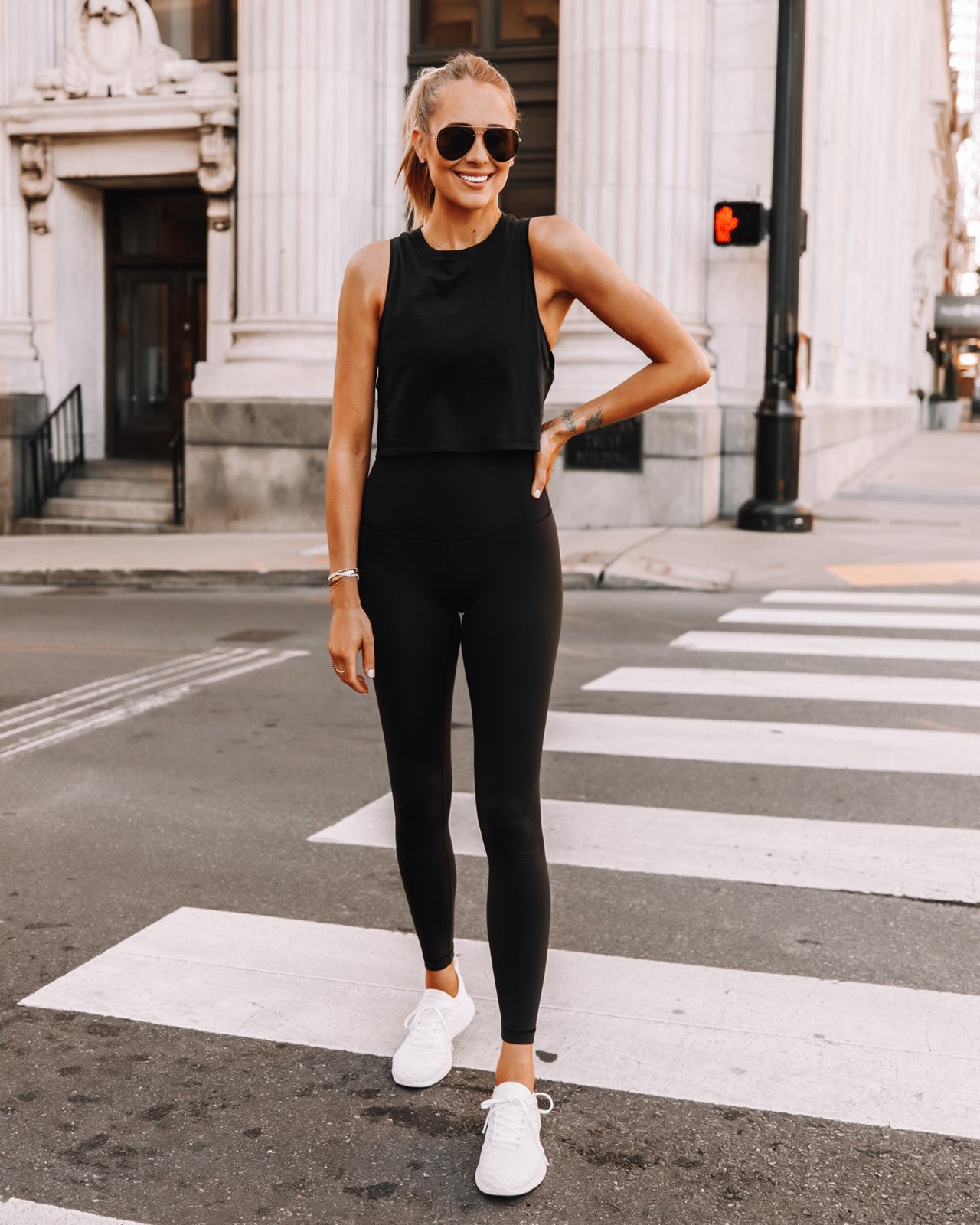
1. The Real Reason Lululemon Is So Expensive
It’s not just fabric — it’s positioning.
Lululemon has built a brand where comfort meets aspiration, targeting professionals who see wellness as part of their identity.
| Factor | Description | Impact |
|---|---|---|
| Fabric R&D | Patented materials like Nulu™, Nulux™, Everlux™ | Feels unique and durable |
| Quality Control | Tight inspection at every stage | Fewer defects, consistent fit |
| Limited Distribution | Avoids overexposure and discounting | Maintains exclusivity |
| Community Building | Yoga events, ambassadors | Emotional connection |
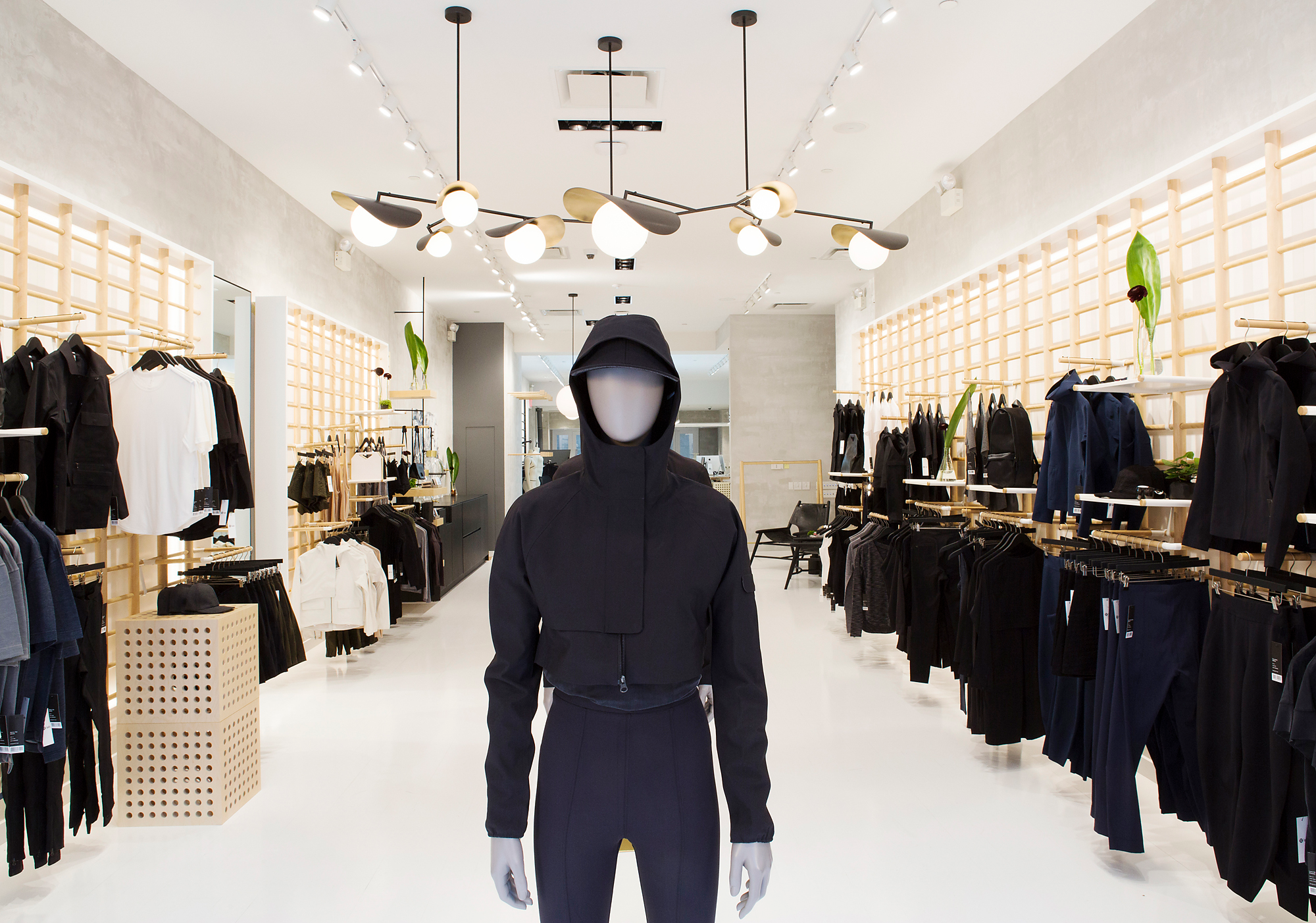
| Premium Branding | Minimalist design, store experience | Reinforces lifestyle value |
💬 Unlike mass brands, Lululemon doesn’t chase price — it chases perceived worth.
2. Inside Lululemon’s Premium Fabric Technology
Their real secret? Proprietary textiles that feel different.
Here’s what makes their fabrics stand out:
| Fabric Name | Key Features | Ideal Use | Feel |
|---|---|---|---|
| Nulu™ | Buttery-soft, light compression | Yoga, lounge | Cloud-soft |
| Nulux™ | Cool to the touch, fast-drying | Running | Silky + airy |
| Everlux™ | Dual-layer wicking | HIIT & hot yoga | Smooth outside, cool inside |
| Luxtreme™ | Four-way stretch + support | Gym & cycling | Sleek, compressive |
| Warpstream™ | Technical cotton blend | Everyday pants | Structured + durable |
💬 When I test similar fabrics for clients, I find that quality comes not only from fiber type but finishing and weaving precision — something top-tier factories invest in, like those partnered with FuKi Gymwear.
3. The Brand Strategy Behind the Price
Lululemon doesn’t sell products — it sells confidence and belonging.
Its marketing revolves around self-improvement, mindfulness, and empowerment rather than discounts.
| Strategy | Example | Effect |
|---|---|---|
| Community-first marketing | Yoga ambassadors, store events | Builds trust and loyalty |
| Lifestyle over athletics | “Sweatlife” campaigns | Expands audience |
| Scarcity effect | Limited colors and restocks | Increases desire |
| High-touch retail | Educator model in stores | Premium experience |
💬 This approach turns a $100 legging into a statement piece of a mindful lifestyle — a strategy worth studying for any upcoming brand.
4. Comparing Lululemon to Other Activewear Brands
| Brand | Average Price Range | Core Focus | Feel | Market Position |
|---|---|---|---|---|
| Lululemon | $80–$150 | Luxury comfort | Ultra-soft | Premium lifestyle |
| Nike | $60–$120 | Performance & tech | Smooth & sporty | Athletic heritage |
| Alo Yoga | $70–$140 | Trend-forward athleisure | Silky + fitted | Fashion-athletic hybrid |
| Gymshark | $40–$90 | Youth performance | Tight + compressive | Affordable fitness |
| FuKi Gymwear OEM | Flexible | Custom OEM production | Adjustable by brand | B2B private label |
💬 Insight: Lululemon isn’t selling to everyone — and that exclusivity keeps its prices high.
5. What Small Brands Can Learn from Lululemon’s Premium Model
✅ 1. Define your emotional value. What does your brand mean to customers beyond fabric?
✅ 2. Perfect your touchpoints. From website to packaging, everything should feel consistent.
✅ 3. Avoid deep discounts. Price integrity builds perceived quality.
✅ 4. Tell your material story. Educate consumers on why your fabric is better.
✅ 5. Start small, scale smart. Premium means intentional, not massive.
💬 In my OEM consulting, I remind brands that “luxury” isn’t about higher cost — it’s about clear purpose, fewer compromises, and storytelling that connects.
FAQs
Q1: Why is Lululemon more expensive than Nike or Adidas?
Because of exclusive fabrics, higher quality control, and a lifestyle-focused brand strategy.
Q2: Does Lululemon use better materials?
Yes — its proprietary blends like Nulu™ and Everlux™ are engineered for specific comfort and durability.
Q3: Are Lululemon products sustainable?
Partially — they’re introducing recycled fabrics but prioritize longevity over fast fashion.
Q4: Can small brands achieve similar quality?
Yes — with OEM partners like FuKi Gymwear that offer high-end fabrics and small-batch precision.
Partnering with FuKi Gymwear to Build Premium Activewear
If Lululemon’s success inspires you to launch your own premium activewear line,
👉 FuKi Gymwear can help turn your vision into reality.
Why brands choose us:
- 🧵 Premium OEM & ODM manufacturing with luxury-grade fabrics.
- 🌿 Sustainable materials — RPET, bamboo, and nylon-spandex blends.
- 🪡 Precise finishing & QC standards for long-lasting softness.
- 📦 Low-MOQ production ideal for boutique or emerging labels.
💬 Lululemon built loyalty through fabric and feeling — you can too, with the right OEM partner behind your brand.

