
Gymshark isn’t just a popular activewear brand — it has become a default uniform for fitness creators across YouTube, TikTok, and Instagram.
According to the brand’s own evolution on the official Gymshark website, it built its reputation through community connection and creator alignment, not traditional advertising.
As someone working closely with OEM activewear factories, I’m often asked:
“Why do influencers choose Gymshark so consistently — and what can new brands learn from it?”
This article explains the answer in clear, beginner-friendly language.
Table of Contents
- Quick Answer
- 1. Gymshark Apparel Looks Great on Camera
- 2. Influencers Prefer Authentic, Long-Term Alignment
- 3. Gymshark Created a Supportive Fitness Identity
- 4. Products Are Designed for Performance and Aesthetics
- 5. What New Activewear Brands Can Learn
- FAQs
- Partnering With FuKi Gymwear
Quick Answer
Gymshark is loved by fitness influencers because its products look great on camera, offer reliable fit, align with authentic creator culture, and provide a community-driven identity rather than one-off sponsorships.
💬 From my OEM experience:
Influencers stay loyal when the product helps them perform, film, and build their personal brand — not just get paid.
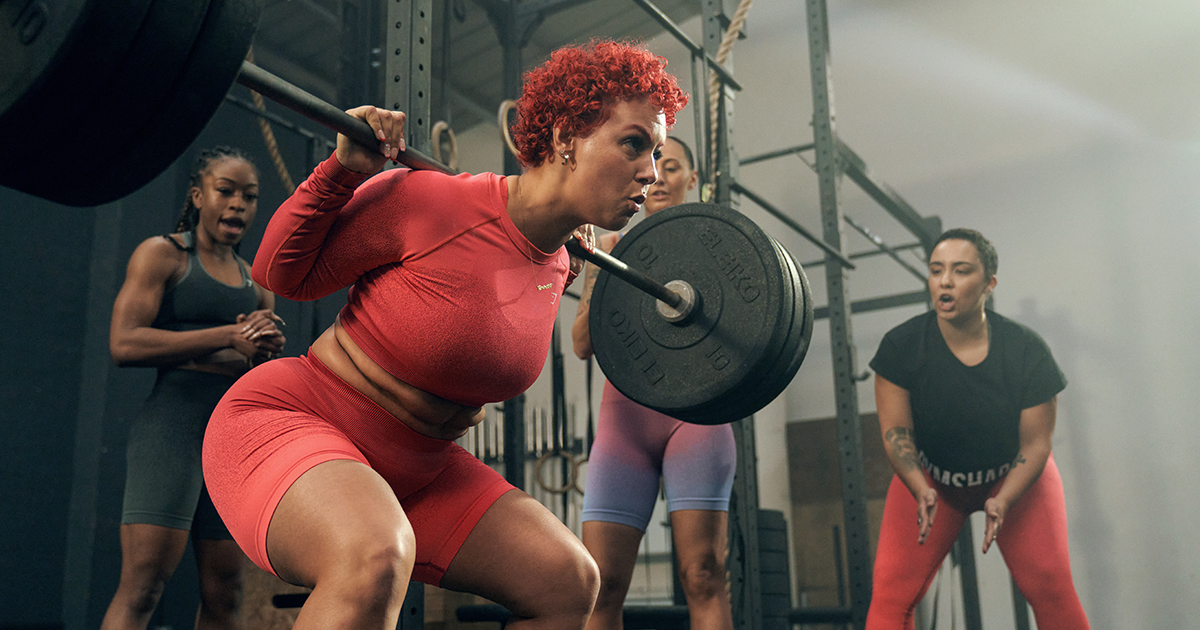
1. Gymshark Apparel Looks Great on Camera
Influencers need clothing that performs visually, not just physically.
On-camera advantages:
- contour shading enhances shape
- seamless construction reduces distraction
- bold colorways stand out in gym lighting
- squat-proof fabrics build trust
- flattering compression improves confidence
Why this matters
Creators post:
- reels
- YouTube training footage
- before/after progress
- daily gym fits
If the clothing looks good, content performs better.
OEM Insight
Camera-ready design requires:
- consistent dye standards
- smooth surface knitting
- strategic contour placement
- minimal seam bulk
Not all factories can deliver this reliably.
2. Influencers Prefer Authentic, Long-Term Alignment
Gymshark didn’t treat creators as ads — it treated them as partners.
According to the brand’s history on Wikipedia, Gymshark built its early growth by collaborating with fitness YouTubers before influencer marketing became mainstream.
Their approach:
- long-term athlete relationships
- co-created events and campaigns
- feedback loops for product development
- no forced scripts
- real training, not staged promotions
Why influencers love this
It protects:
- personal brand integrity
- authenticity
- audience trust
💬 Creators stayed loyal because Gymshark supported their growth, not just the brand’s.

3. Gymshark Created a Supportive Fitness Identity
Influencers don’t just want clothing — they want belonging.
Community identity elements:
- transformation storytelling
- motivational brand language
- inclusive strength messaging
- creator-led fitness culture
- audience participation through UGC
Why this matters
People don’t just wear Gymshark — they join it.
Compared to traditional brands
| Traditional Sports Brands | Gymshark |
|---|---|
| Hero athlete focus | Relatable creator community |
| Top-down messaging | Peer-to-peer influence |
| Performance-only image | Emotional and supportive tone |
| Broadcast marketing | Interactive engagement |
Community = retention + organic promotion.
4. Products Are Designed for Performance and Aesthetics
Gymshark didn’t sacrifice function for appearance.
Product features creators appreciate:
- high-stretch seamless fabrics
- sweat-resistant performance
- body-contouring construction
- lightweight knits for filming
- durable compression for strength training
Why influencers trust it
Consistent performance means:
- fewer wardrobe failures
- repeat use in content
- confident movement on camera
OEM Perspective
This requires:
- advanced seamless machines
- tight QC
- yarn stability
- controlled knitting tension
Not all brands choose to invest here.
5. What New Activewear Brands Can Learn
Here are practical takeaways:
✔ Lesson 1: Make products camera-ready
Prioritize:
- contour lines
- color vibrancy
- squat-proof opacity
Content sells stronger than advertising.
✔ Lesson 2: Build long-term creator relationships
Not transactions — partnerships.
✔ Lesson 3: Create a community identity
People join meaning, not merchandising.
✔ Lesson 4: Test small before scaling
4–6 SKUs are enough to validate demand.
✔ Lesson 5: Use creator feedback as R&D
Their training reality improves:
- fit
- durability
- performance
FAQs
Q1: Is Gymshark’s success only from influencers?
No — product consistency and community identity were equally important.
Q2: Can small brands still replicate this model today?
Yes — micro-creators are still massively effective.
Q3: Do influencers prefer seamless over cut-and-sew?
Often yes — because seamless photographs better and fits more body types.
Q4: Do you need a big budget to attract influencers?
Not at all — creators value alignment more than payment.
Partnering With FuKi Gymwear
If you want your products to perform the way influencers need — both on camera and in training — the right OEM makes all the difference.
👉 FuKi Gymwear supports brands with:
- Camera-ready seamless fabrics
- High-stretch, squat-proof leggings
- Fast sampling for small drops
- Low MOQ for new founders
- Performance and durability testing
💬 Influencers promote what works in real life — we help brands build it from the start.

