
As someone who works closely with performance-wear OEM factories, I often hear the same question from buyers and new activewear brands:
“Why is Adidas usually more affordable than Nike?”
The answer isn’t about lower quality — it’s about different pricing philosophies, different supply-chain strategies, and different brand identities.
This guide breaks everything down simply and clearly, designed as a beginner-friendly, best-answer resource.
Table of Contents
- Quick Answer
- 1. Adidas Uses a More Cost-Efficient Supply Chain
- 2. Adidas Optimizes for Mass Market Pricing
- 3. Nike Invests More in R&D and Athlete Testing
- 4. Branding: Adidas Targets Lifestyle, Nike Targets Performance
- 5. What This Means for New and Growing Brands
- FAQs
- Related Links
Quick Answer
Adidas is often cheaper because it focuses on cost-efficient manufacturing, mass-market pricing, and lifestyle-driven design, while Nike invests more heavily in performance engineering, athlete testing, and premium-brand positioning.
💬 OEM Insight:
Adidas scales huge production volumes with simplified material tiers. Nike uses tighter specs and more expensive R&D.
External references:
- Adidas Official Site: https://www.adidas.com
- Adidas Wikipedia: https://en.wikipedia.org/wiki/Adidas
1. Adidas Uses a More Cost-Efficient Supply Chain
Adidas manufacturing prioritizes efficiency, batch volume, and regional cost savings.
Core supply-chain advantages
- larger production runs per style
- simplified upper construction in footwear
- streamlined fabric programs with suppliers
- long-term factory partnerships for stable pricing
Adidas also manufactures heavily in:
| Country | Strength |
|---|---|
| Vietnam | Large-scale footwear production |
| Indonesia | Cost-efficient sportswear |
| China | Technical knit & classics |
| Cambodia | Mass apparel manufacturing |
(Source: https://en.wikipedia.org/wiki/Adidas)
💬 OEM Insight:
Adidas negotiates lower prices because its order volumes are massive and consistent season to season.
2. Adidas Optimizes for Mass Market Pricing
Adidas positions many categories for mid-tier pricing, allowing wider consumer access.
Adidas pricing strategy
| Brand | Primary Pricing Position |
|---|---|
| Adidas | mid-tier, mass accessible |
| Nike | premium-tier, performance-first |
| Puma | mid-tier + fashion |
| New Balance | quality mid-to-premium |
Adidas wins on:
- wider reach
- budget-friendly lifestyle products
- lower entry price for casual consumers
Nike, on the other hand, pushes higher-ticket performance products.
3. Nike Invests More in R&D and Athlete Testing
Nike’s premium pricing comes from much heavier investment in engineering and athlete research.
Nike engineering cost factors
- biomechanics labs
- cushioning science (ZoomX, Air, React)
- elite athlete testing loops
- proprietary yarn development
- sport-specific pattern adjustments
Adidas invests in innovation too — but Nike spends more, which raises product cost.
💬 OEM Insight:
Nike’s testing requirements often add weeks — sometimes months — to pre-production.
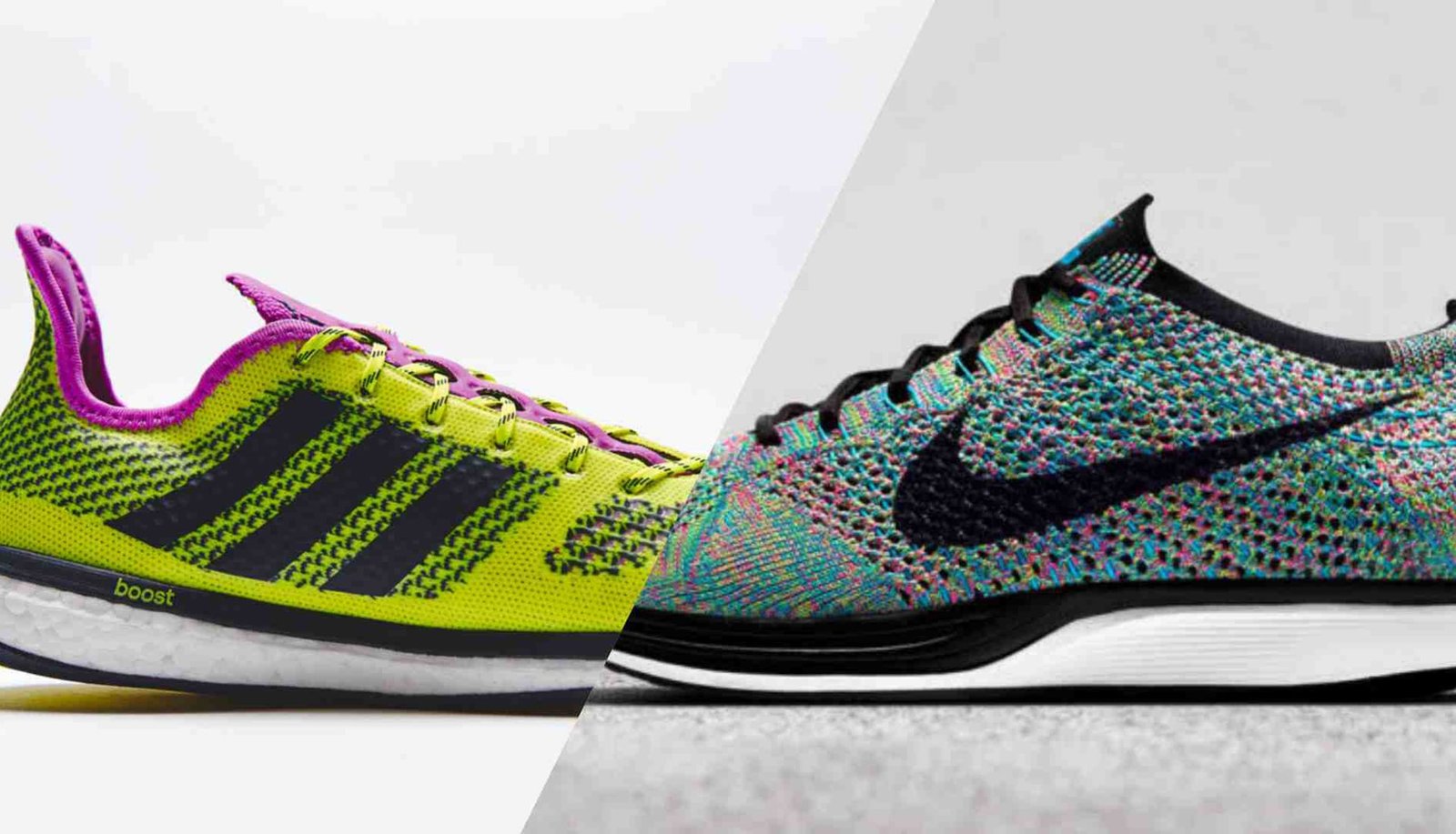
4. Branding: Adidas Targets Lifestyle, Nike Targets Performance
This is a major reason for the price gap.
Adidas brand identity
- lifestyle + streetwear
- retro silhouettes
- mass-consumer focus
- collaborations (Yeezy, Ivy Park, Pharrell)
Nike brand identity
- elite athletic performance
- innovation-first
- athlete empowerment storytelling
- “engineered for sport” positioning
Nike’s identity supports premium pricing; Adidas’ identity supports wider affordability.
Cultural comparison
| Category | Adidas | Nike |
|---|---|---|
| Lifestyle | Strong | Moderate |
| Performance | Moderate | Strong |
| Price range | Mid-tier | Premium |
| Brand message | Casual movement | Elite performance |
5. What This Means for New and Growing Brands
Here are practical lessons for young activewear brands:
✔ Lesson 1: Choose your identity early
Are you premium, mid-tier, or budget?
Your pricing depends on this.
✔ Lesson 2: Scale manufacturing strategically
Large volumes = better price.
Small drops = higher cost.
✔ Lesson 3: Be clear about lifestyle vs performance
Lifestyle brands simplify construction.
Performance brands require more R&D.
Internal Link
Looking to build cost-efficient or premium-level activewear?
👉 https://fukigymwear.com
FAQs
Q1: Is Adidas cheaper because it’s lower quality?
Not necessarily — Adidas simply targets a wider price range.
Q2: Does Nike always cost more?
In most categories, yes — especially footwear and performance apparel.
Q3: Are Adidas shoes good for sport?
Yes, though Nike tends to lead in high-performance technologies.
Q4: Which brand lasts longer?
Durability depends on model and use, but both maintain strong QC.
Related Links
- Adidas Official Website: https://www.adidas.com
- Adidas Wikipedia: https://en.wikipedia.org/wiki/Adidas
- Performance Activewear Manufacturing Support: https://fukigymwear.com

