
Table of Contents
- Quick Answer
- 1. HOKA Shoes Feel Different Than Most Footwear
- 2. Too Much Cushioning Can Still Cause Pain
- 3. Rocker Soles Can Change How Your Feet Work
- 4. Fit Issues: Width, Size, and Arch Mismatch
- 5. Common Pain Areas and What They Mean
- 6. How to Fix Foot Pain in HOKA Shoes
- FAQs
- What Brands Can Learn from This Problem
Quick Answer
Your feet may hurt in HOKA shoes because of cushioning overload, rocker sole adjustment, or an improper fit — not because the shoes are “bad.”
From my experience working with footwear comfort analysis and long-wear product testing, pain in HOKAs usually means your feet are not interacting with the shoe as intended.
1. HOKA Shoes Feel Different Than Most Footwear
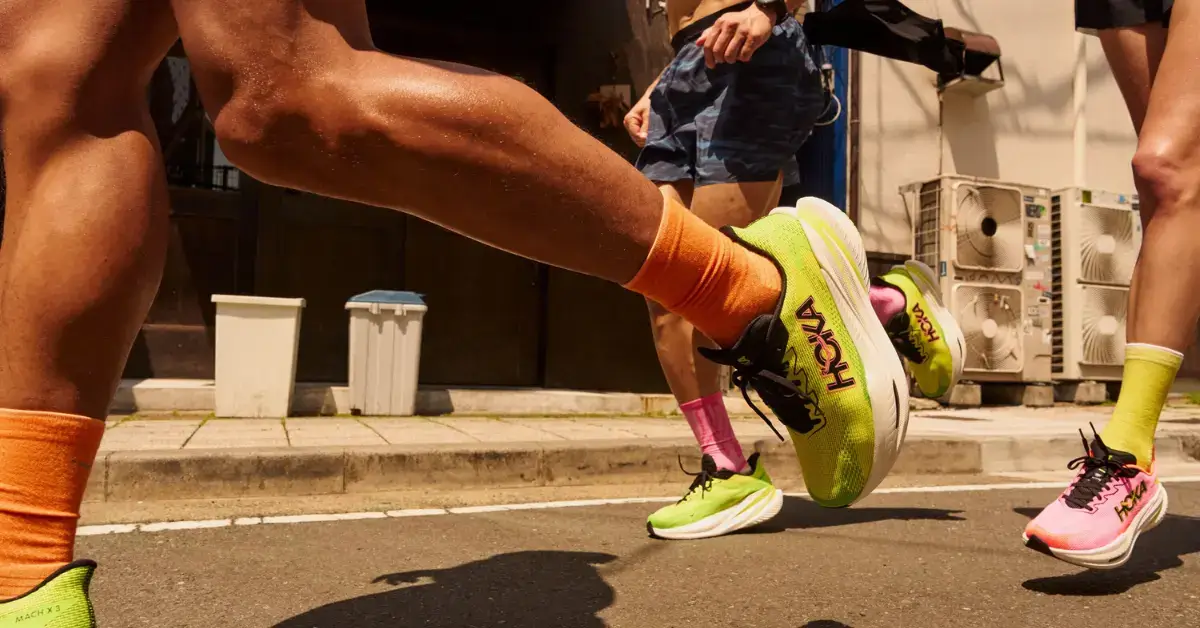
HOKA shoes are built very differently from traditional running or walking shoes.
Key differences:
- much thicker midsoles
- rocker-shaped soles
- wide platform bases
- soft but tall cushioning
Official brand reference:
hoka
Important insight:
A shoe that reduces impact does not automatically reduce strain everywhere else.
2. Too Much Cushioning Can Still Cause Pain
More cushioning isn’t always better.
When cushioning is very soft and thick:
- foot muscles work harder to stabilize
- balance changes subtly
- pressure can shift to new areas
This can cause:
- arch fatigue
- plantar soreness
- midfoot discomfort
My honest take:
HOKAs often feel great at first — pain shows up after longer wear.
3. Rocker Soles Can Change How Your Feet Work
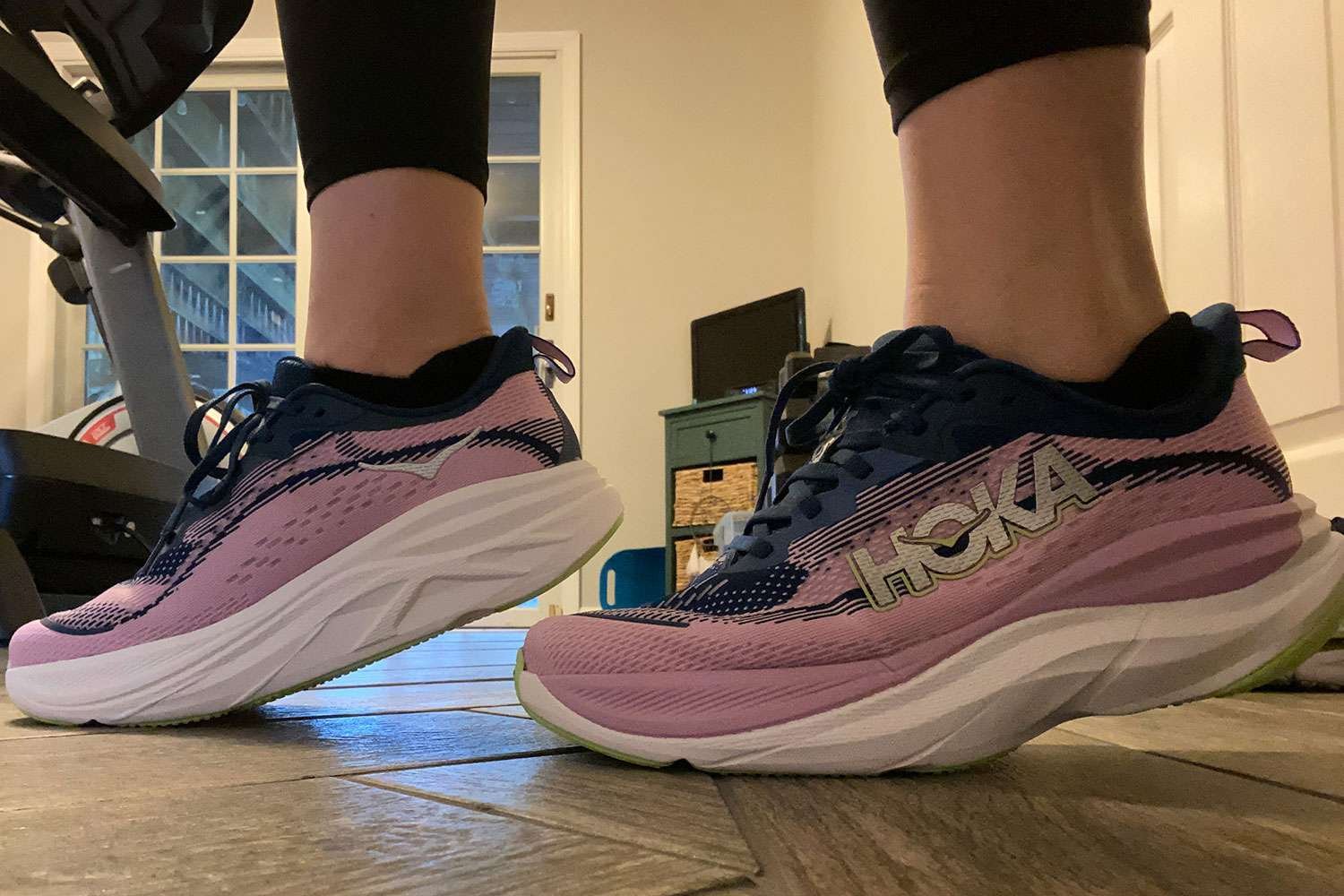
Most HOKA models use a rocker sole.
This design:
- helps roll your foot forward
- reduces ankle flexion
- shifts load away from the forefoot
But for some people, it can:
- overload the midfoot
- stress the plantar fascia
- irritate calves or arches
Key point:
Your body may need time to adapt — or the rocker may simply not suit your gait.
4. Fit Issues: Width, Size, and Arch Mismatch
Foot pain in HOKAs is often a fit problem, not a quality issue.
Common fit mistakes:
- wearing shoes that are too narrow
- choosing the wrong arch profile
- sizing too small because the shoe “feels secure”
HOKA shoes run:
- roomy in some models
- narrow in others
- very sensitive to arch shape
Reality check:
Cushioned shoes magnify fit mistakes.
5. Common Pain Areas and What They Mean
| Pain Location | Likely Cause |
|---|---|
| Arch pain | Too much instability or wrong arch support |
| Heel pain | Rocker adjustment or plantar strain |
| Forefoot pain | Poor toe-off alignment |
| Midfoot pain | Cushioning collapse or sizing issue |
| Calf tightness | Altered stride mechanics |
Key takeaway:
Pain location gives clues — don’t ignore it.
6. How to Fix Foot Pain in HOKA Shoes
Before giving up on HOKAs, try this:
Practical fixes:
- give your feet a 1–2 week adjustment period
- avoid wearing them all day at first
- check if you need wide sizing
- consider a firmer insole
- rotate with less cushioned shoes
If pain persists:
- switch to a less rockered model
- try a lower-stack shoe
- consult a foot specialist
Straight answer:
HOKAs are not universal — comfort depends on your foot mechanics.
FAQs
Q1: Are HOKA shoes bad for your feet?
No. They’re great for many people, but not all foot types.
Q2: Should my feet hurt when breaking in HOKAs?
Mild adjustment discomfort is normal. Sharp or lasting pain is not.
Q3: Can HOKA shoes cause plantar fasciitis?
They don’t cause it directly, but poor fit or instability can aggravate it.
Q4: Should I stop wearing HOKAs if my feet hurt?
If pain persists after adjustments, yes — comfort should improve, not worsen.
What Brands Can Learn from This Problem
HOKA shows that comfort design must match user biomechanics.
At fukigymwear,
we help brands avoid this mismatch by testing products on real bodies, real movements, and long wear cycles — not just lab assumptions.
What We Support
- comfort and fatigue testing
- foot–ground interaction analysis
- product fit logic development
- long-duration wear trials
- low-MOQ OEM / ODM manufacturing
- private-label performance product design
If your feet hurt in HOKAs, it doesn’t mean the shoes failed —
it means the fit–movement relationship needs adjusting.

