
Nike isn’t just a sportswear brand — it’s a symbol of performance, innovation, and identity.
For decades, professional and amateur athletes alike have consistently chosen Nike over competing brands.
But why? What makes Nike stand out in such a competitive market?
As someone who has worked in OEM/ODM apparel production for years, I’ve seen firsthand how Nike’s design philosophy and supply chain strategies win athlete trust — not just through marketing, but through engineering and experience.
Table of Contents
- Quick Answer
- 1. Performance-Driven Innovation
- 2. Athlete-Centered Design Process
- 3. Brand Psychology and Emotional Connection
- 4. Technology and Smart Fabric Integration
- 5. Nike vs. Other Sportswear Brands
- 6. What Smaller Brands Can Learn
- FAQs
- FuKi Yoga: Building Performance Apparel for the Next Generation
Quick Answer
✅ Athletes choose Nike because it offers a perfect balance of technology, comfort, and brand identity.
Every product is developed using data-backed research, elite athlete testing, and psychological design appeal, giving Nike an unmatched edge in performance wear.
1. Performance-Driven Innovation
Nike invests heavily in R&D and biomechanical testing to ensure every product improves athletic performance.
| Innovation | Description | Impact |
|---|---|---|
| ZoomX Foam | Energy-returning midsole for runners | 4% faster stride efficiency |
| Flyknit Technology | Lightweight, seamless upper knit | Reduces fatigue and waste |
| AeroSwift Fabric | Breathable micro-fiber structure | Regulates heat during training |
| Dri-FIT ADV | Moisture-reactive smart fibers | Keeps athletes dry under pressure |

💬 From a manufacturing perspective, these designs use complex knitting and precision bonding — a level of quality most brands still can’t replicate at scale.
2. Athlete-Centered Design Process
Nike’s secret weapon isn’t just innovation — it’s co-creation with real athletes.
From LeBron James to Serena Williams, Nike prototypes new products directly based on athlete feedback.
Key characteristics:
- Real-time data collected from training sessions.
- Sensor-based wear testing for movement analysis.
- Continuous iteration before launch.
- Emotional branding that celebrates individuality.
🎯 Lesson: Athletes feel ownership in the product. They’re not just wearing Nike — they helped shape it.
3. Brand Psychology and Emotional Connection
Nike’s storytelling turns performance into purpose.
Campaigns like “Just Do It” and “You Can’t Stop Us” build emotional loyalty through empowerment.
| Psychological Trigger | Nike’s Execution | Result |
|---|---|---|
| Self-belief | Motivational messaging | Strong athlete identity |
| Belonging | Global community through campaigns | Emotional connection |
| Aspiration | Endorsements with top athletes | Brand as symbol of success |
🧠 Insight: Nike doesn’t just sell shoes — it sells a mindset.
That’s why athletes worldwide connect with it beyond function.
4. Technology and Smart Fabric Integration
Nike’s smart-fabric adoption pushes performance boundaries while enhancing sustainability.
Examples include:
- Nike AeroAdapt™: Opens cooling zones when sweat increases.
- FlyEase System: Accessibility-first designs for all body types.
- Sustainable Yarn Blends: 75% of apparel made with recycled fibers.
These fabrics are designed to react dynamically to the athlete’s body, merging science with sustainability — a concept also championed by FuKi Yoga.
5. Nike vs. Other Sportswear Brands
| Brand | Core Focus | Why Nike Leads |
|---|---|---|
| Adidas | Comfort & streetwear crossover | Nike wins on innovation and data integration |
| Under Armour | Compression & durability | Nike outpaces in fabric science |
| Puma | Style & affordability | Nike offers superior athlete trust |
| Lululemon | Studio & lifestyle wear | Nike leads in sports-specific engineering |
💬 Observation: While others focus on comfort or fashion, Nike perfects performance under pressure.
6. What Smaller Brands Can Learn
Nike’s success isn’t about budget — it’s about process and philosophy.
Here’s how private label brands can apply similar principles:
| Lesson | Implementation Strategy |
|---|---|
| Test before scaling | Prototype, test, iterate, and only then mass-produce. |
| Align with values | Build emotional connection through storytelling. |
| Integrate tech | Use smart fabrics, not just blends. |
| Be transparent | Communicate your sourcing and ethics. |
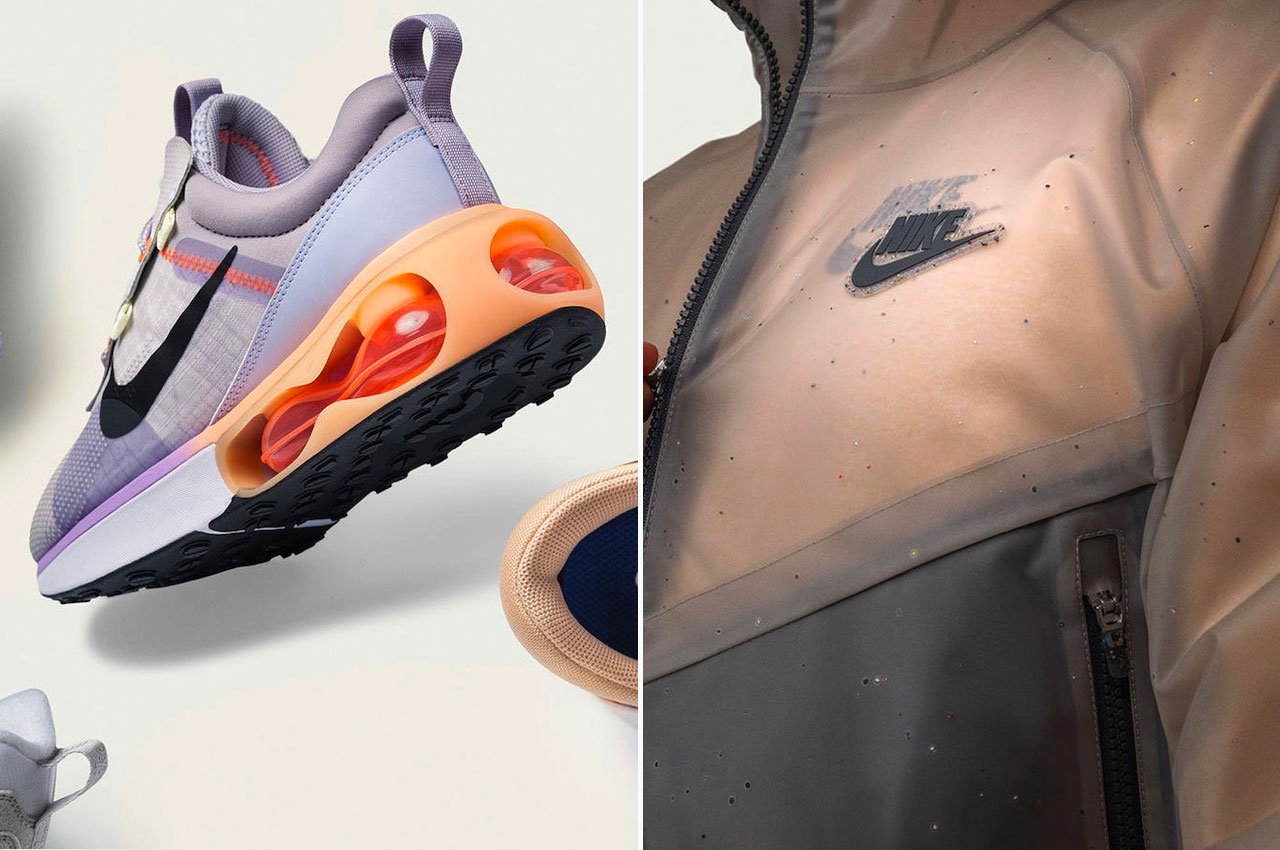
🧵 At FuKi Yoga, we help new activewear brands apply these same practices — combining athlete feedback with intelligent design.
FAQs
Q1: Is Nike really better for performance?
Yes — its R&D-backed products improve comfort, aerodynamics, and movement efficiency.
Q2: Why do top athletes stay loyal to Nike?
Because Nike invests in them — from custom R&D labs to community partnerships.
Q3: How can smaller brands compete?
By focusing on innovation, material quality, and transparency — not just price.
Q4: Does FuKi Yoga produce similar performance wear?
Yes. FuKi Yoga develops smart, eco-performance fabrics used by private label activewear brands worldwide.
FuKi Yoga: Building Performance Apparel for the Next Generation
At FuKi Yoga, we share the same philosophy that drives Nike — performance through innovation.
Our manufacturing capabilities include:
- ⚙️ 3D pattern cutting and ergonomic fitting
- ♻️ Sustainable nylon, RPET, and Lycra blends
- 🧵 Seamless activewear sets with temperature control
- 🌍 Ethical production under BSCI / OEKO-TEX
- 🚢 Low MOQ with full private label support
We help brands design apparel that athletes trust and perform in — made ethically and intelligently.
👉 Explore more: fukiyoga.com/service/quality-control/

