
Reebok is increasingly recognized not for running or lifestyle apparel, but for training-focused gear — strengthwear, functional fitness outfits, HIIT-ready tops, and stable cross-training shoes.
Many people ask me:
“Why did Reebok shift so strongly toward training wear in recent years?”
Based on information shown on the Reebok official website and historical summaries from Wikipedia, the brand made a strategic pivot away from general sportswear and returned to its roots: strength, control, and functional performance.
From my OEM experience, the shift is completely logical — Reebok performs best when designing for movement stability, durability, and athlete-focused wear.
Table of Contents
- Quick Answer
- 1. Functional Training Was Always Reebok’s Strength
- 2. Consumer Demand Shifted Toward Strength & HIIT
- 3. Training Gear Requires Less Trend-Chasing
- 4. Competition in Running & Lifestyle Forced Reebok to Specialize
- 5. Who Benefits From Reebok’s Training-Focused Approach
- FAQs
- Partnering With FuKi Gymwear
Quick Answer
Reebok shifted toward training wear because functional fitness grew rapidly, the brand already had strong heritage in strength-based performance, and the training market required durability over fashion, which matched Reebok’s engineering strengths.
💬 From my OEM standpoint:
Training gear rewards brands that focus on fit, seam stability, and reinforced fabrics — all areas where Reebok has meaningful experience.
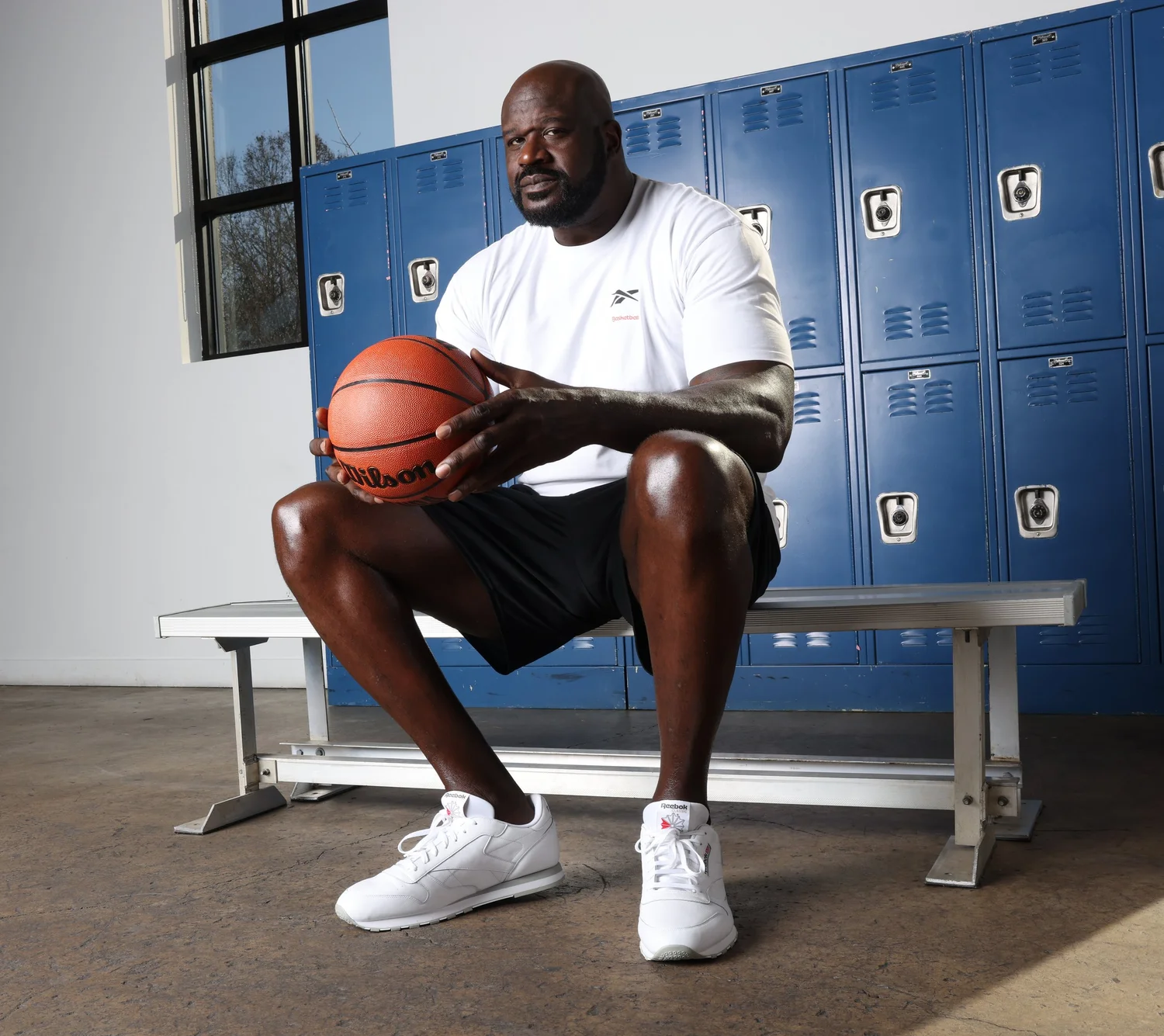
1. Functional Training Was Always Reebok’s Strength
Reebok originally made its mark in strength training and functional movement, not running or athleisure.
The brand’s legacy:
- Early dominance in training shoes
- Heavy presence in CrossFit & functional fitness
- Reliable construction for gym environments
- Reinforced panels & stable midsoles
Popular Training Collections
- Reebok Nano Series: https://www.reebok.com/us/nano
- Reebok Training Apparel: https://www.reebok.com/us/training
💬 OEM Insight:
Reebok patterns and constructions often focus on structural support rather than lightweight minimalism.
2. Consumer Demand Shifted Toward Strength & HIIT
Over the last decade, global fitness trends changed dramatically.
Growing Categories:
- Strength workouts
- Functional movement
- HIIT and interval training
- Cross-training hybrid programs
Consumers wanted apparel that could handle:
- friction
- stretch-recovery
- jumping, sprinting, lifting
- fast temperature change
Reebok’s training DNA matched this shift perfectly.
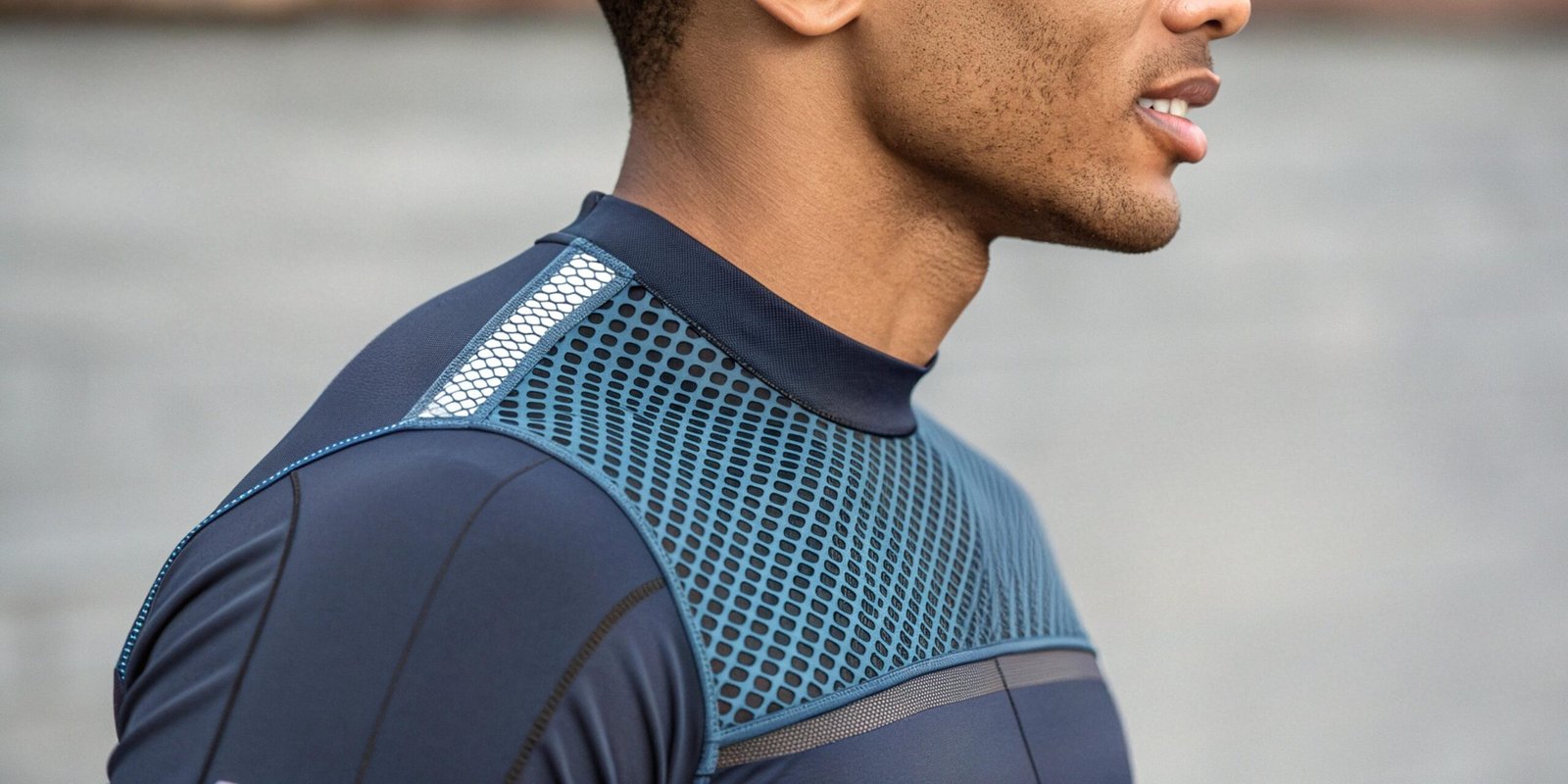
3. Training Gear Requires Less Trend-Chasing
Unlike running or lifestyle apparel, training wear is utility-first.
Why this matters:
- Performance matters more than color trends
- Construction quality determines sale value
- Athletes buy based on function
- Repeat customers return because gear lasts
OEM Takeaway
Training gear is easier to scale consistently because brands rely on reliable technical requirements, not fast fashion cycles.
Reebok benefitted from building timeless functional basics.
4. Competition in Running & Lifestyle Forced Reebok to Specialize
Nike and Adidas dominate:
- running technology
- lifestyle fashion apparel
- large-scale athlete sponsorships
Puma dominates:
- comfortable casual sportswear
Reebok made a strategic choice:
➡️ Instead of competing in overly crowded categories, focus on what the brand already excels at.
Competitive Comparison Table
| Brand | Dominant Category | Why |
|---|---|---|
| Reebok | Training / Functional Fitness | Stability + durability |
| Nike | Running / HIIT | Innovation + speed |
| Adidas | Comfort / Lifestyle | Versatile cushioning |
| Puma | Casual Sports | Affordable trends |
Reebok chose specialization — and it works.
5. Who Benefits From Reebok’s Training-Focused Approach
Reebok’s shift helps athletes who want reliable, stable, long-lasting performance gear.
Best For:
- Strength athletes
- HIIT / functional trainers
- Gym enthusiasts
- People needing durability over fashion
- Beginners wanting supportive footwear
Not Ideal For:
- Athleisure-only customers
- Trend and influencer-driven fashion buyers
💬 Summary:
Reebok positioned itself where performance speaks louder than hype.
FAQs
Q1: Why did Reebok stop focusing on running?
Running is dominated by Nike and Adidas; training offered stronger opportunity.
Q2: Does Reebok still make casual apparel?
Yes, but the strongest focus is performance training.
Q3: Is training wear more profitable for Reebok?
Yes — fewer trends, more repeat customers, less product risk.
Q4: What makes Reebok gear good for strength training?
Reinforced seams, durable fabrics, and stable base designs.
Partnering With FuKi Gymwear
If your brand wants to develop training-focused apparel — similar to Reebok’s strategic direction — choosing the right OEM partner is essential.
👉 FuKi Gymwear provides:
- stable training fabrics
- reinforced stitching for HIIT
- squat-proof leggings
- sweat-ready performance tops
- low MOQ for new fitness brands
- fast sampling + customization
💬 Training apparel shines when performance comes first — and we help brands deliver that exact advantage.

