
When people think of Lululemon, they often imagine yoga mats, calm studios, and soft leggings.
But if you’ve browsed their stores lately, you’ve probably noticed a shift — from yoga-centric to training-focused apparel lines.
So, what caused this evolution, and how does it reflect today’s fitness culture?
As someone who’s worked closely with activewear OEM manufacturers, I’ve observed how performance trends shape global production.
Let’s explore how Lululemon expanded beyond yoga — and what this means for fitness brands entering the market.
Table of Contents
- Quick Answer
- 1. Why Lululemon Expanded Beyond Yoga
- 2. The Market Shift That Drove the Change
- 3. Key Innovations in Lululemon’s Training Apparel
- 4. Comparison: Yoga vs Training Collections
- 5. What Fitness Brands Can Learn from Lululemon’s Transition
- FAQs
- Partnering with FuKi Gymwear for Performance & Training Wear
Quick Answer
✅ Lululemon shifted from yoga to training apparel to meet a growing demand for multi-functional performance wear — clothing that supports running, HIIT, and strength training while maintaining comfort and style.
Their evolution reflects how modern consumers want gear that performs beyond the studio.
💬 From my OEM experience, brands evolve when their consumers do — and today’s activewear buyers want “one outfit for every activity,” not separate wardrobes.
1. Why Lululemon Expanded Beyond Yoga
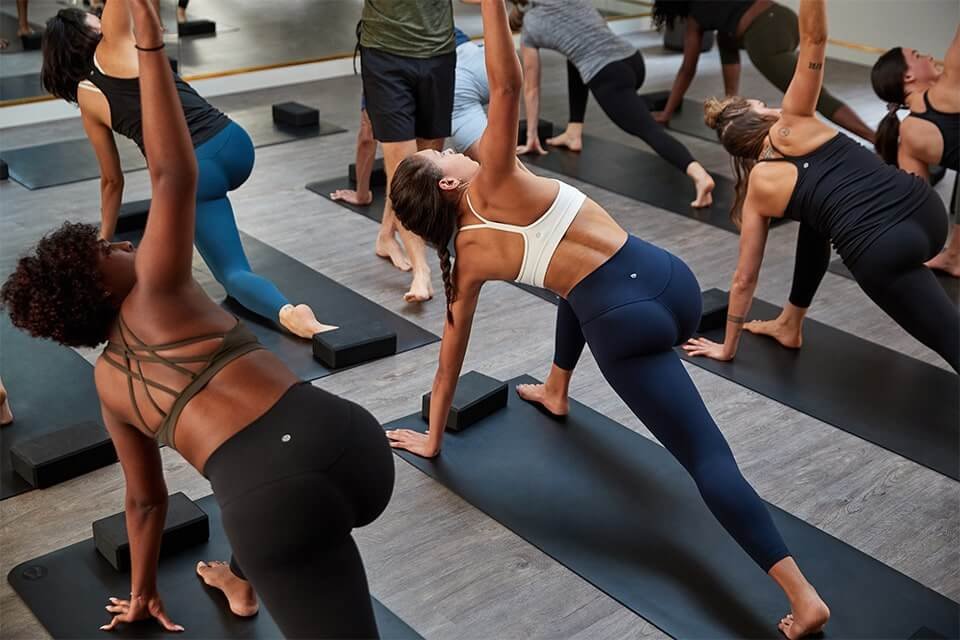
Lululemon was built on yoga culture — mindfulness, movement, and balance.
But as fitness routines diversified, the brand saw a major opportunity to grow with its customers.
| Factor | Description | Impact |
|---|---|---|
| Evolving fitness habits | Consumers now combine yoga, running, gym, and HIIT | Broader apparel demand |
| Market saturation | Yoga wear competition increased | Needed new segments |
| Male consumer growth | More men entering Lululemon stores | Expanded product line |
| Athletic credibility | Training apparel boosts brand authority | Competes with Nike & Adidas |
| Lifestyle crossover | Gym-to-street fashion trend | Wider daily wear appeal |
💬 Lululemon didn’t abandon yoga — it expanded its purpose to fit modern movement lifestyles.
2. The Market Shift That Drove the Change
Around 2018–2020, global fitness trends began to shift:
- 💪 Hybrid workouts — Yoga + weights + mobility sessions became the norm.
- 🏃 Performance demand — Consumers wanted moisture control, stretch, and durability.
- 🧍 Gender diversification — Men’s training wear grew faster than women’s yoga lines.
- 🌍 Lifestyle evolution — “Athleisure” blurred the lines between training and daily fashion.
💬 From a manufacturing lens, this shift required different fabric weights, stitching durability, and fit structures — all key areas where Lululemon invested heavily.
3. Key Innovations in Lululemon’s Training Apparel
To compete in the high-performance category, Lululemon launched new fabrics, silhouettes, and design systems specifically for gym training.
| Innovation | Fabric / Feature | Benefit | Ideal Activity |
|---|---|---|---|
| Everlux™ | Dual-knit, fast-drying | Keeps cool during sweat-heavy workouts | HIIT, spin, cross-training |
| Warpstreme™ | Four-way stretch woven | Combines polish with flexibility | Travel & daily wear |
| Metal Vent Tech™ | Zoned ventilation | Enhances breathability | Running, cardio |
| Luxtreme™ | Cool, compressive knit | High support for movement | Strength training |
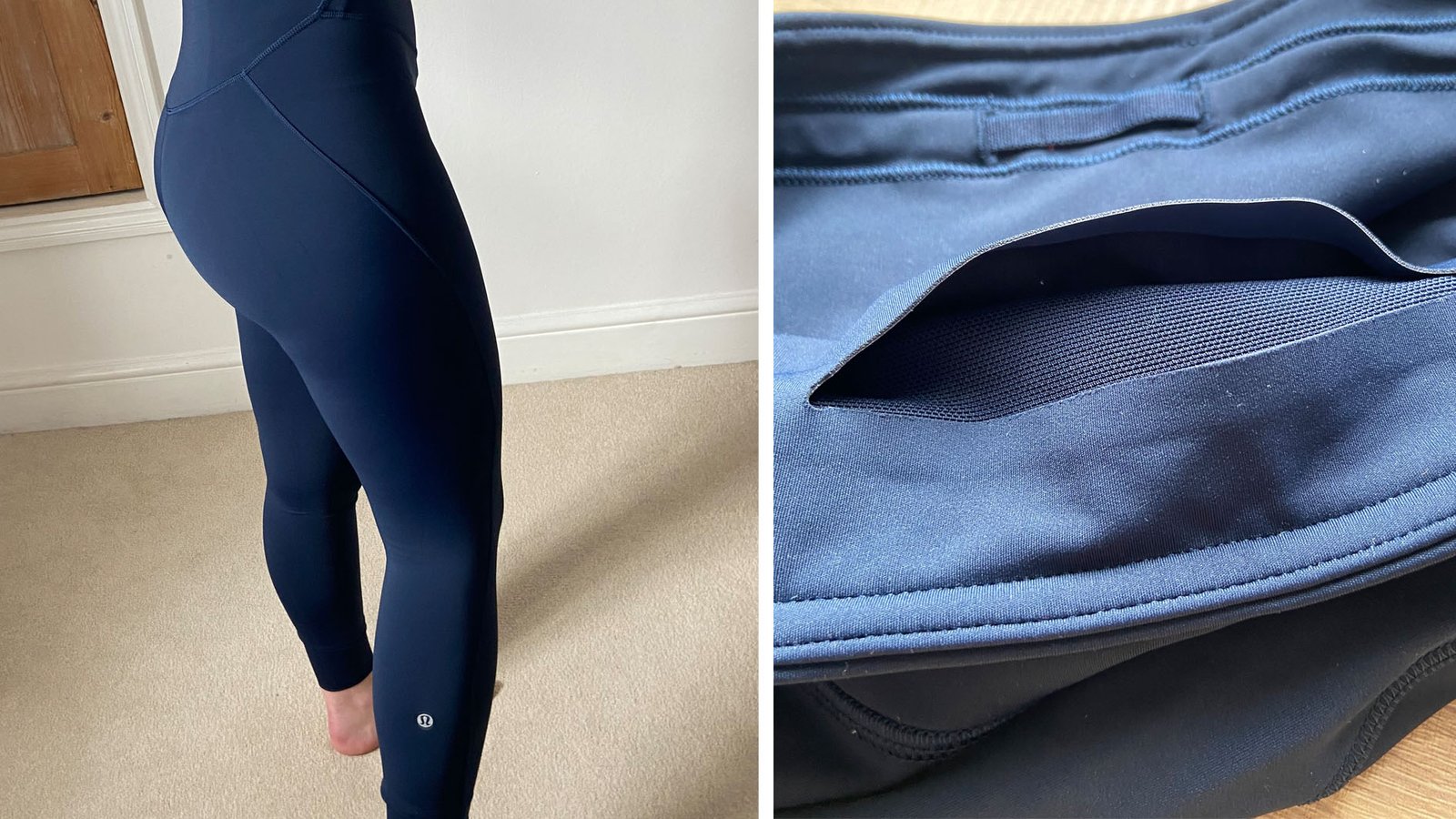
| License to Train line | Reinforced seams + stretch gussets | Built for durability | Weight & resistance workouts |
💬 The introduction of structured silhouettes and technical fibers helped Lululemon compete with performance giants — without losing its comfort DNA.
4. Comparison: Yoga vs Training Collections
| Category | Focus | Fabric | Fit | Target Audience |
|---|---|---|---|---|
| Yoga Line | Stretch, softness, flow | Nulu™, Nulux™ | Lightweight, body-hugging | Yoga & studio |
| Training Line | Support, cooling, durability | Everlux™, Luxtreme™ | Structured, athletic fit | Gym & cross-training |
| Crossover Pieces | Versatile daily wear | Warpstreme™, SoftStreme™ | Relaxed | Lifestyle & recovery |
💬 Observation: The two lines now complement each other — yoga gear for mindfulness, training wear for movement power.
5. What Fitness Brands Can Learn from Lululemon’s Transition
✅ 1. Follow user evolution: Your customer’s lifestyle defines your product roadmap.
✅ 2. Merge function with comfort: Technical fabrics don’t need to feel rigid.
✅ 3. Build credibility before expansion: Lululemon mastered yoga before diversifying.
✅ 4. Keep brand emotion intact: Even new categories reflect the same core values — comfort, mindfulness, and confidence.
✅ 5. Partner with expert OEMs: Material innovation and fit precision define success.
💬 At FuKi Gymwear, we help brands move into new segments — from yoga to gymwear — while keeping design consistency and fabric excellence.
FAQs
Q1: Did Lululemon stop making yoga apparel?
No, yoga remains a core category. The brand simply added more high-performance training options.
Q2: Why did Lululemon add training gear for men?
To reach a wider audience and compete with performance brands like Nike and Under Armour.
Q3: What’s the difference between yoga and training fabrics?
Yoga fabrics are soft and stretchy, while training fabrics emphasize structure, cooling, and durability.
Q4: Can small brands expand into multiple categories too?
Yes — with OEM support from FuKi Gymwear, you can diversify without losing quality or identity.
Partnering with FuKi Gymwear for Performance & Training Wear
If Lululemon’s shift inspires you to launch your own multi-category fitness brand,
👉 FuKi Gymwear can help you design, develop, and produce professional-grade apparel.
Why choose us:
- 🧵 Performance fabric sourcing — nylon-spandex, Everlux-style, RPET blends.
- 🌿 Sustainable production options — low-impact dyeing and eco certification.
- 🪡 Custom fit development for yoga, gym, or athleisure lines.
- 🚀 Low-MOQ OEM & ODM services ideal for new and growing brands.
💬 The next generation of fitness brands blends comfort and performance — just like Lululemon did. Build yours with FuKi Gymwear.

