
When most people think of Lululemon, they picture yoga mats and buttery-soft leggings. But today, the brand is just as visible in gyms, CrossFit boxes, and marathons as it is in yoga studios.
As someone who’s worked closely with activewear factories and product developers, I’ve seen firsthand how Lululemon expanded beyond yoga — strategically and deliberately — to dominate the high-performance training wear market.
This article breaks down exactly how and why Lululemon grew from yoga to training, what strategies made it work, and what other brands (like ours at FuKi Gymwear) can learn from it.
Table of Contents
- From Yoga to a Global Movement
- How Customer Behavior Drove Expansion
- Product Innovation for Training Performance
- Marketing Shift: From Mindfulness to Performance
- Lululemon vs Other Training Brands
- Lessons for Emerging Activewear Brands
- FAQs
- About FuKi Gymwear – OEM Training Wear Manufacturer
1. From Yoga to a Global Movement
Lululemon’s rise began with yoga wear — targeting mindfulness, comfort, and stretch.
But as fitness trends evolved, so did the brand’s vision.
By 2015, global data showed that:
- Over 60% of customers wore Lululemon outside yoga classes.
- Many used leggings for HIIT, gym training, and running.
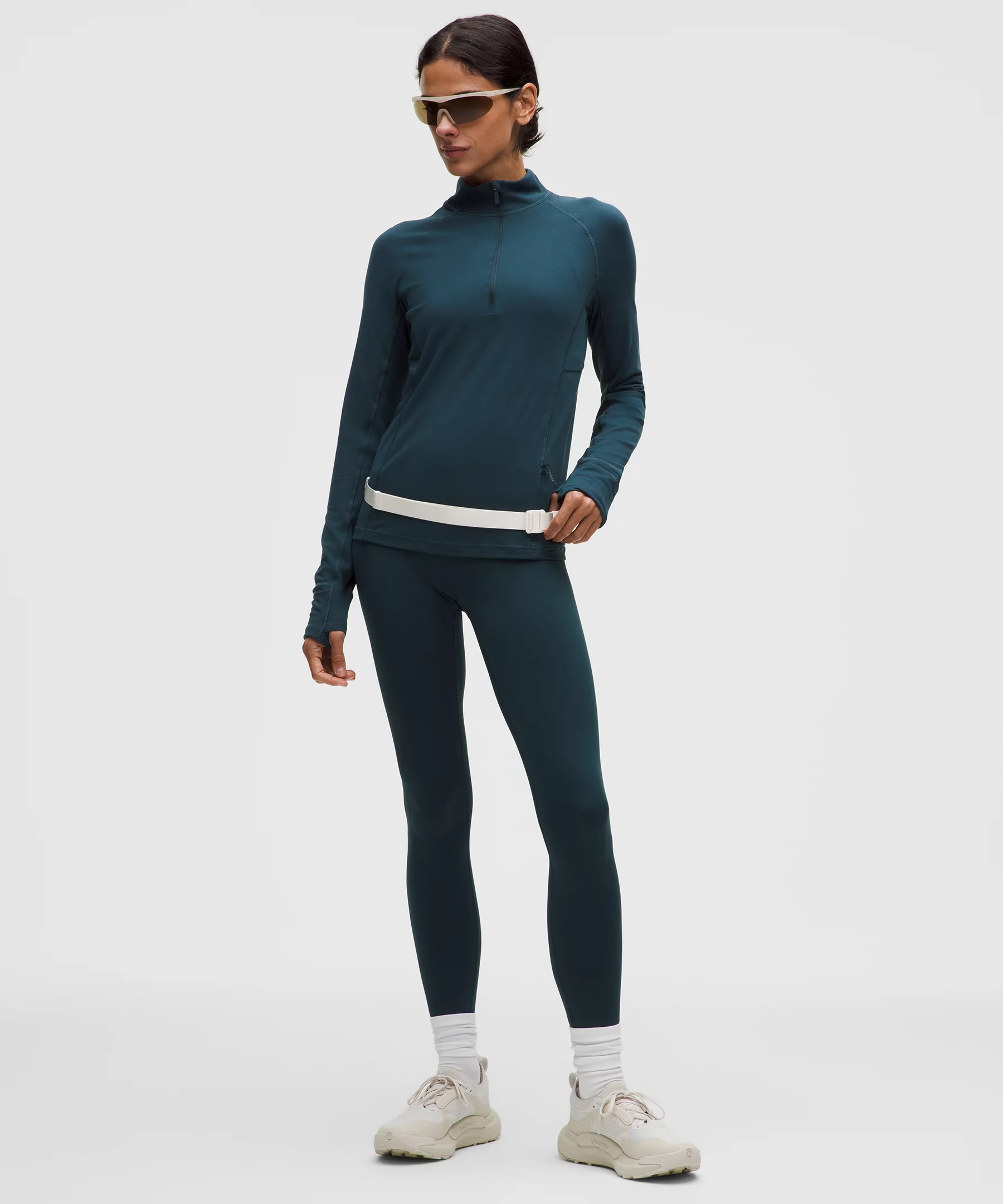
💡 Lululemon didn’t leave yoga — it grew with its audience.
They realized customers wanted gear that transitioned seamlessly from studio to street to training.
2. How Customer Behavior Drove Expansion
Instead of chasing new markets immediately, Lululemon expanded by listening to user feedback.
Through its in-store educators and community ambassadors, the brand learned that:
- Customers wanted more supportive, sweat-resistant fabrics.
- Men were increasingly seeking premium training gear.
- Athleisure users wanted durability, not just softness.
📈 This shift led to the development of training-specific fabrics like Everlux™ and Luxtreme™, built for sweat-heavy, high-intensity workouts.
3. Product Innovation for Training Performance
Lululemon’s R&D team at Whitespace™ Lab began re-engineering yoga materials into training-grade textiles.
| Innovation | Description | Benefit |
|---|---|---|
| Everlux™ | Dual-layer knit for fast drying | Stays cool during HIIT |
| Luxtreme™ | High-compression nylon blend | Better support & shape |
| Swift™ | Lightweight woven | Ideal for joggers & shorts |
| Seamless construction | Reduces friction | More comfort during reps |
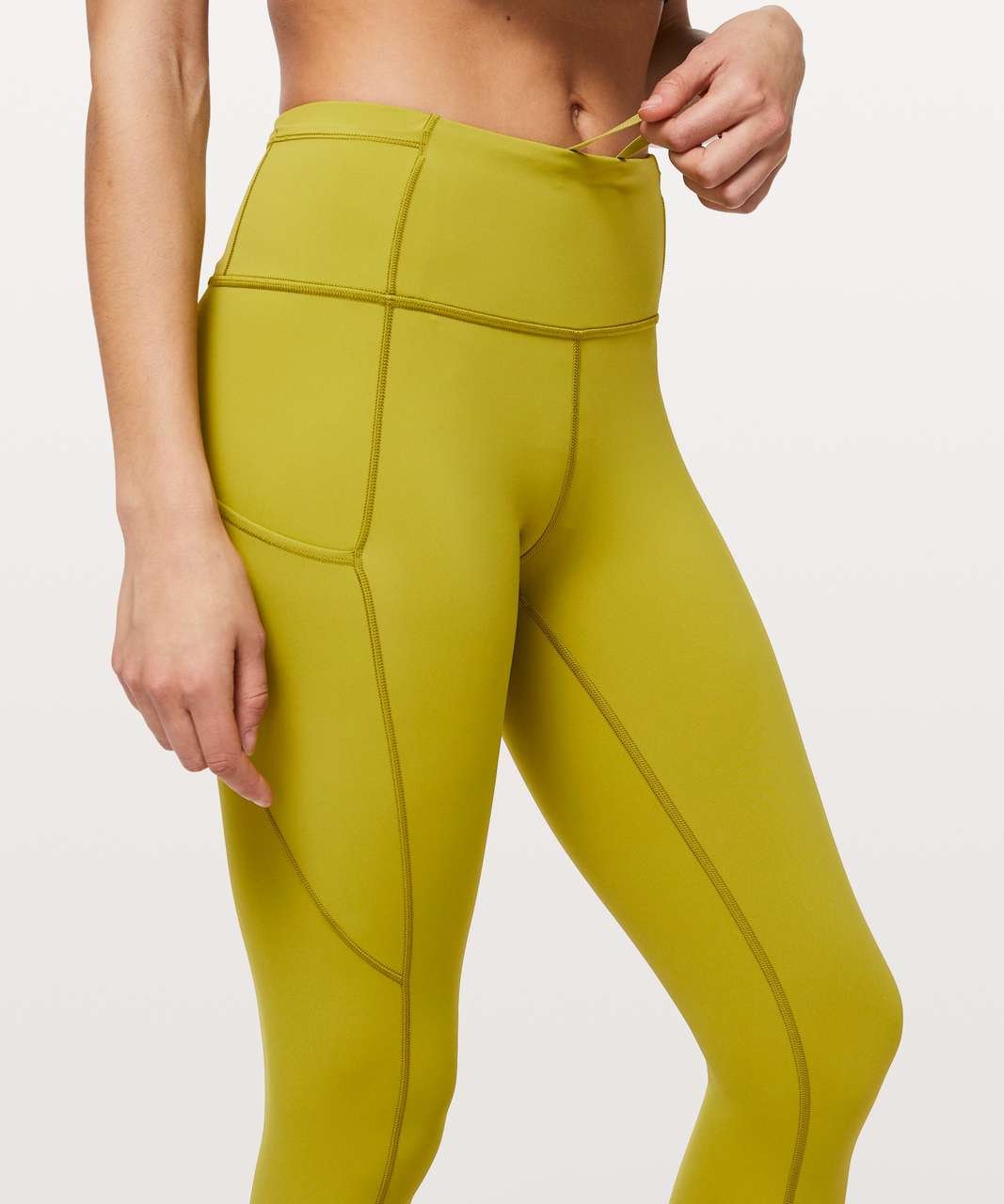
🧠 Their approach: apply yoga’s softness to strength training’s intensity.
4. Marketing Shift: From Mindfulness to Performance
Lululemon’s brand tone evolved too — from “inner peace” to “personal best.”
They began sponsoring:
- CrossFit athletes and marathon runners
- Studio partnerships with Barry’s Bootcamp and F45
- The “Train Hard, Feel Light” campaign for Everlux™
Their message became:
“Your clothes should move as hard as you do.”
It repositioned Lululemon as not just a yoga brand, but a premium performance brand competing with Nike and Under Armour.
5. Lululemon vs Other Training Brands
| Brand | Primary Focus | Key Differentiator |
|---|---|---|
| Lululemon | Mindful performance | Fabric innovation + comfort |
| Nike | Competitive sports | Endorsements + mass reach |
| Under Armour | Training power | Compression + durability |
| FuKi Gymwear | Custom OEM training gear | Flexibility + brand collaboration |
🏋️ While others build for athletes, Lululemon builds for movement — that subtle difference created mass appeal.
6. Lessons for Emerging Activewear Brands
If you’re developing your own brand, here’s what to learn from Lululemon’s journey:
- Follow your customer evolution — not just market trends.
- Invest in fabrics that perform beyond one activity.
- Build storytelling around performance and lifestyle.
- Engage community feedback early — it drives authentic growth.
- Scale consciously, focusing on quality before volume.
At FuKi Gymwear, we apply the same philosophy when creating training and yoga apparel for global brands — offering flexibility, sustainability, and innovation in one place.
7. FAQs
Q1: When did Lululemon start expanding into training gear?
Around 2018, when the brand introduced Everlux™ and Metal Vent Tech™ for men’s performance lines.
Q2: Is Lululemon’s training gear different from Nike’s?
Yes — Lululemon focuses on softness and breathability, while Nike prioritizes technical performance and athletic sponsorship.
Q3: What materials make Lululemon good for workouts?
Proprietary blends like Everlux™ and Luxtreme™ offer compression, sweat control, and shape recovery.
8. About FuKi Gymwear – OEM Training Wear Manufacturer
At FuKiGymwear.com, we help global fitness and lifestyle brands manufacture premium activewear — from yoga sets to training gear.
Our services include:
- OEM/ODM production with low MOQ (100 pcs)
- Custom fabrics (nylon-spandex, recycled polyester, seamless)
- Branding, printing, and eco packaging options
- Fast global delivery (samples in 7–10 days, bulk in 25–35 days)
Explore more:

