
Lululemon began as a yoga apparel pioneer — soft fabrics, mindful movement, and studio culture.
But today, it also leads in running, HIIT, strength training, sweat-heavy workouts, and men’s performance wear.
As someone working closely with activewear OEM factories, I’ve seen exactly why this transition happened:
customer behavior changed, the training market exploded, fabric innovation evolved, and Lululemon needed new categories to grow.
This article explains Lululemon’s expansion strategy in a clear, beginner-friendly way — plus what private-label brands can learn from it.
Table of Contents
- Quick Answer
- 1. Customer Behavior Shifted Beyond Yoga
- 2. The Training Market Is Larger and More Profitable
- 3. Lululemon Needed High-Performance Fabrics
- 4. A Strategic Move to Compete With Nike & Under Armour
- 5. What Private-Label Brands Can Learn
- FAQs
- Partnering With FuKi Gymwear
Quick Answer
Lululemon expanded into high-intensity training because customers wanted more versatile performance wear, the training market is significantly bigger than yoga, and new technical fabrics enabled them to compete directly with sports giants.
💬 From my OEM experience:
Once a brand proves it can build elite fabrics (like Lululemon’s Nulu), expanding into related performance categories becomes a natural next step.
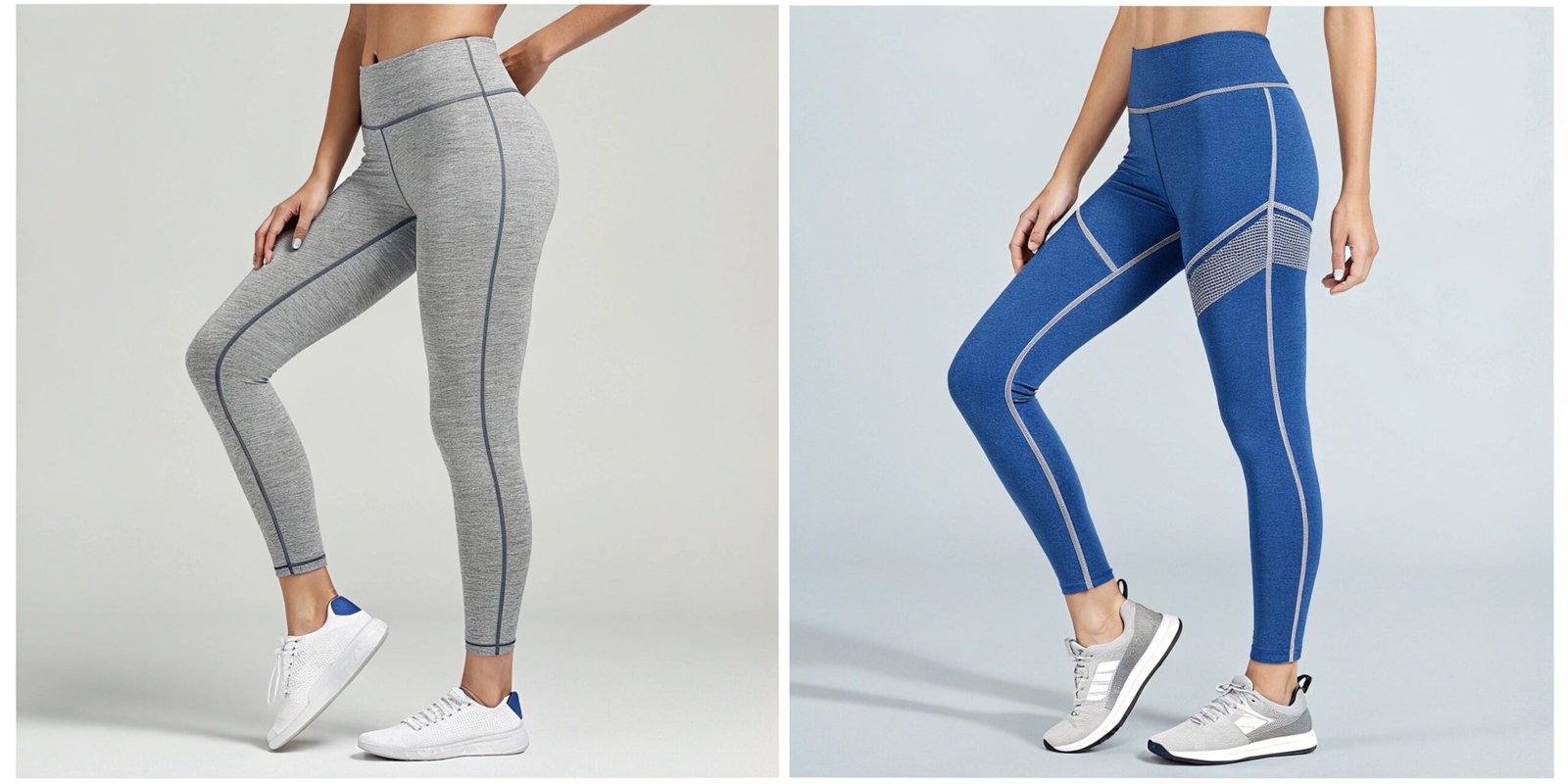
1. Customer Behavior Shifted Beyond Yoga
Lululemon’s customer base evolved.
What started as a yoga-focused audience transformed into multi-sport, hybrid-training consumers.
Customers added:
- HIIT
- running
- strength training
- athletic conditioning
- mixed fitness programs
Why this matters
People want one brand that suits their entire workout routine — not only yoga.
OEM Insight
I see the same trend with private-label brands:
Once customers love your yoga basics, they begin asking for training leggings, running shorts, and high-performance tops.
2. The Training Market Is Larger and More Profitable
Yoga wear is a strong niche, but training wear reaches a much bigger global audience.
Category Comparison
| Apparel Category | Market Size | Growth Potential |
|---|---|---|
| Yoga wear | Big but niche | Mostly women |
| Running wear | Huge | Requires specialty fabrics |
| HIIT / Training | Very large | Men + women |
| Strength training | Fast-growing | Gym culture boom |
Why Lululemon expanded
To scale beyond yoga, Lululemon needed:
- higher-performance products
- more universal workout categories
- a route to attract male customers
- more technical innovation
💬 Growth happens when brands expand horizontally into adjacent training segments.
3. Lululemon Needed High-Performance Fabrics
Yoga fabrics like Nulu are:
- soft
- brushed
- lightweight
- made for slow-to-medium movement
But they’re not suitable for:
- barbell workouts
- HIIT friction
- high sweat
- fast running
So Lululemon engineered new fabric families.
Lululemon’s Performance Fabrics
| Fabric | Ideal Use | Key Benefits |
|---|---|---|
| Everlux | HIIT, intense sweat | Cooling & fast dry |
| Luxtreme | Running | Smooth compression |
| Swift | Training shorts | Lightweight + breathable |
| Metal Vent Tech | Men’s training tops | Anti-odor + airflow |
OEM Insight
High-intensity fabrics require:
- tighter knitting
- advanced yarns
- better colorfastness
- stronger seam construction
These upgrades justify premium pricing — and customers feel the difference.
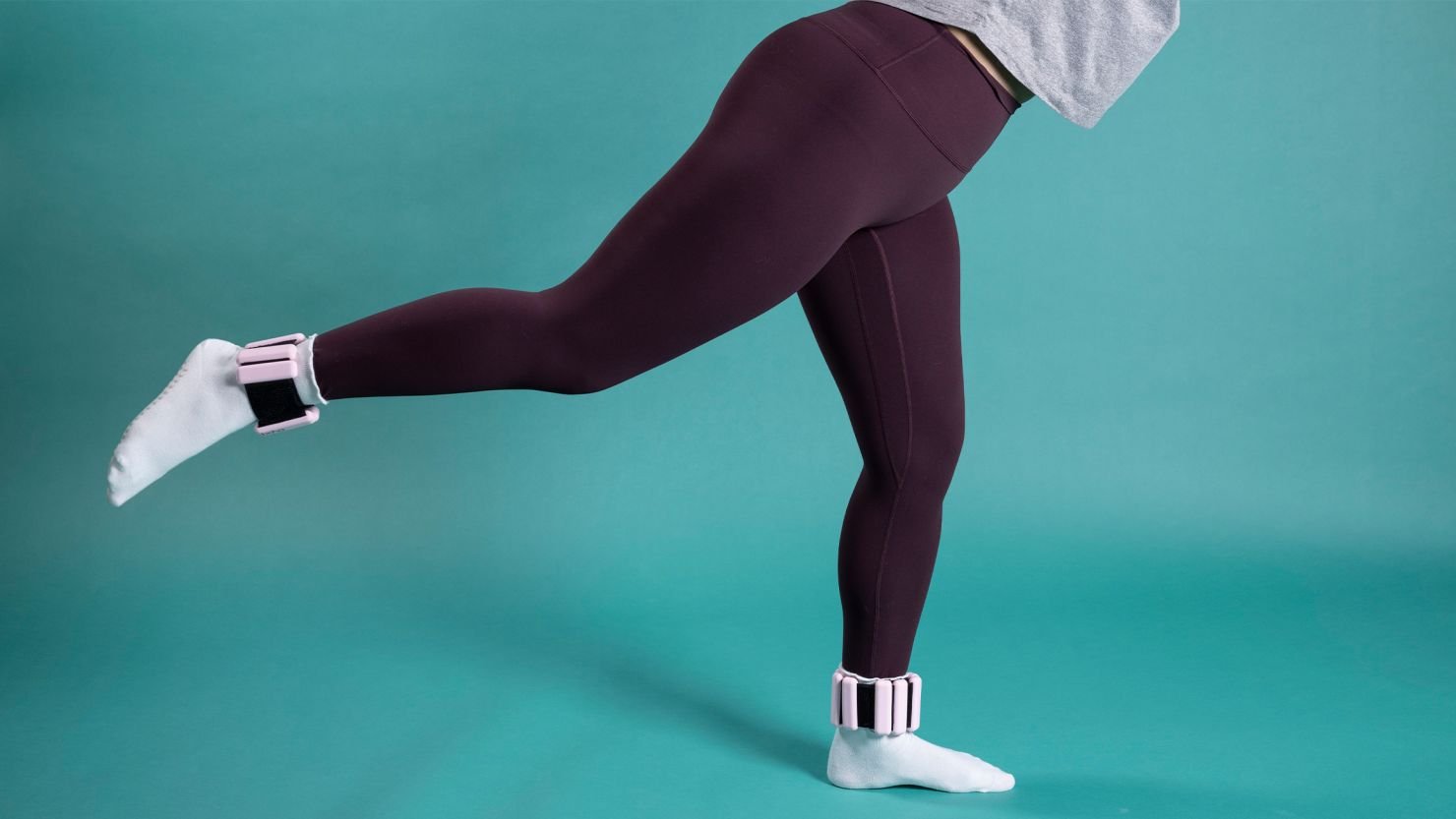
4. A Strategic Move to Compete With Nike & Under Armour
Once Lululemon dominated yoga, the next growth frontier was mainstream athletic performance.
Why this strategy made sense
Nike, Under Armour, and Adidas built massive businesses through:
- running
- training
- men’s performance apparel
But Lululemon had advantages they didn’t:
- a premium female-first identity
- a strong community base
- advanced fabric storytelling
The expansion unlocked:
- men’s category growth
- premium training collections
- global athletic positioning
- less dependency on yoga wear sales
💬 Moving into HIIT and running wasn’t a risk — it was the only path to long-term global growth.
5. What Private-Label Brands Can Learn
Here are actionable lessons for private-label brands growing their product range:
✔ Lesson 1: Master one category first
Lululemon owned yoga before expanding.
Private-label brands should also build:
- one signature fabric
- one hero legging
- one reliable fit system
Then expand.
✔ Lesson 2: Offer products for different workout intensities
A scalable line includes:
- soft yoga sets
- medium-intensity training wear
- high-intensity compression gear
Different activities need different fabrics.
✔ Lesson 3: Use real performance testing
Training products must pass:
- sweat tests
- stretch recovery tests
- abrasion resistance
- seam strength validations
OEM factories like ours can help run these tests.
✔ Lesson 4: Don’t skip the men’s market
It’s one of the fastest-growing segments for activewear brands.
✔ Lesson 5: Expand when your customers are ready
Your audience will “pull” your brand into new categories if you listen to their needs.
FAQs
Q1: Did Lululemon abandon yoga?
No — yoga is still core, but training wear expands their reach.
Q2: Are training fabrics more expensive to manufacture?
Yes — tighter tolerance, stronger yarns, and specialty finishes cost more.
Q3: Should small brands start with HIIT wear?
Only if you can invest in performance fabrics. Otherwise start with yoga.
Q4: Do customers expect one brand to cover multiple workout types?
More than ever — versatility is a major buying factor.
Partnering With FuKi Gymwear
If you want to grow your activewear brand the way Lululemon did — from soft yoga basics to high-performance training apparel — choosing the right OEM partner is essential.
👉 FuKi Gymwear supports brands with:
- High-performance compression fabrics
- Everlux-style and cooling nylon blends
- Running + HIIT-ready materials
- Soft-brushed yoga fabrics
- Sweat, stretch & durability testing
- Low MOQ for new category expansion
💬 You don’t need hundreds of SKUs to expand like Lululemon — you need the right fabrics, the right fits, and a manufacturing partner who understands both.

