
Athleisure has been one of the most important fashion trends of the last decade. What started as simple gym clothing has evolved into a global lifestyle category that blends sportswear, casual fashion, and comfort.
Even in 2026, athleisure continues to dominate the fitness apparel market. Many consumers now prefer clothing that works both in the gym and in everyday life.
From my experience working with activewear brands and manufacturers, I’ve seen how athleisure influences product design, fabric development, and marketing strategies. Many startups entering the fitness apparel industry today are building their collections around this hybrid style.
In this article, we’ll explore why athleisure is still dominating the fitness apparel market, how it changed consumer behavior, and what clothing brands can learn from its success.
Table of Contents
- What Is Athleisure
- How Athleisure Became a Global Trend
- Why Athleisure Remains Popular Today
- Athleisure vs Traditional Sportswear
- Key Athleisure Products Driving the Market
- How Athleisure Influences Activewear Design
- What Brands Can Learn from Athleisure
- The Future of Athleisure Fashion
- FAQ About Athleisure
- Final Thoughts
What Is Athleisure
Athleisure refers to clothing designed for athletic activities but worn in everyday situations.
Instead of separating gym wear and casual fashion, athleisure combines both.
Typical athleisure products include:
- leggings
- joggers
- hoodies
- training jackets
- oversized T-shirts
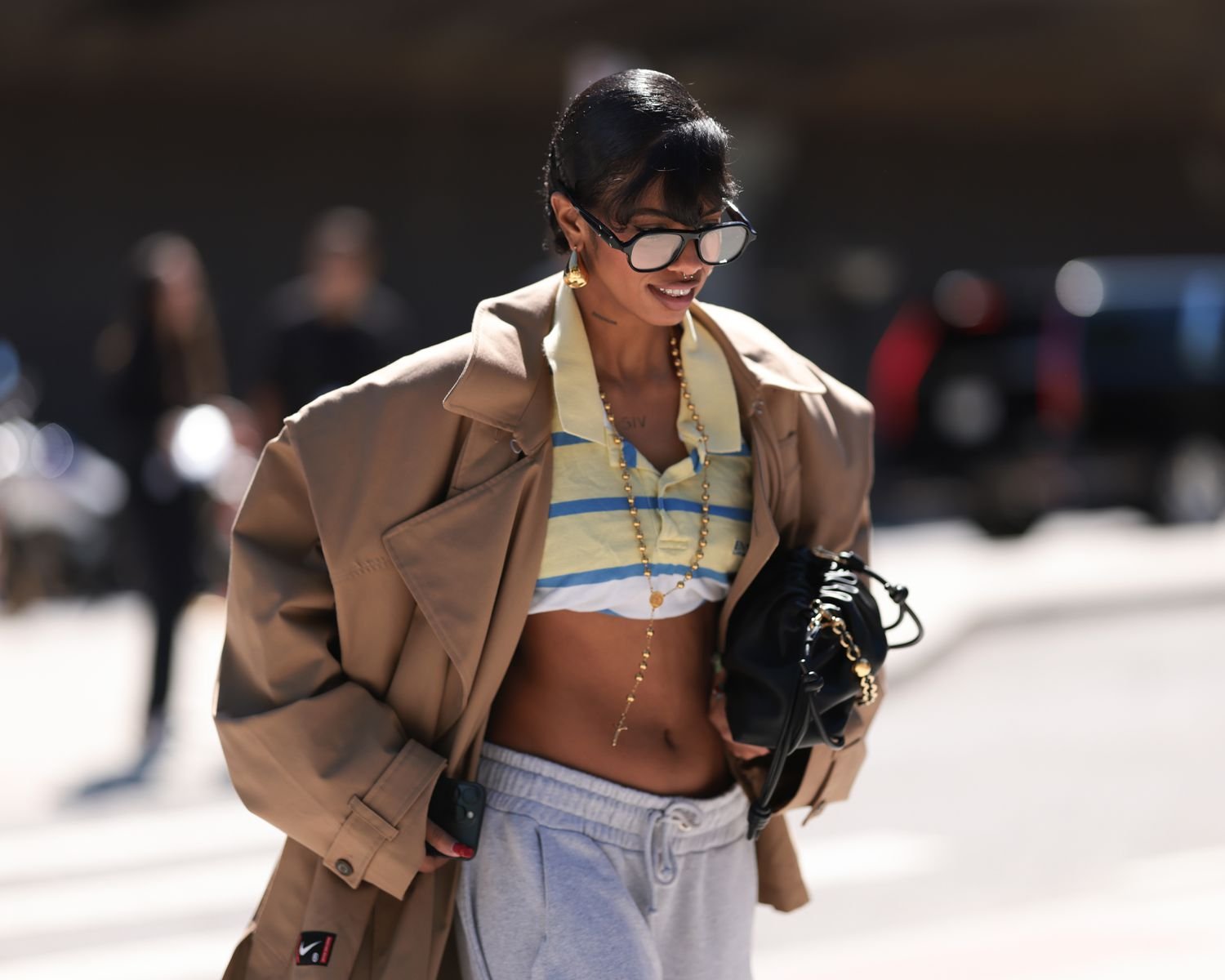
These garments are designed to be comfortable, stylish, and versatile.
According to industry data from Statista, the global athleisure market has grown rapidly over the past decade as consumers increasingly prefer comfortable clothing.
How Athleisure Became a Global Trend
Several cultural and economic factors contributed to the rise of athleisure.
Key Drivers of the Athleisure Boom
| Factor | Impact |
|---|---|
| Health awareness | more people participating in fitness activities |
| Remote work culture | demand for comfortable clothing |
| Social media influence | fitness lifestyle promotion |
| celebrity endorsements | wider cultural acceptance |
Brands such as Lululemon and Nike played major roles in popularizing athleisure around the world.
Why Athleisure Remains Popular Today
Many fashion trends fade quickly, but athleisure has maintained strong momentum.
Reasons Athleisure Continues to Grow
- Comfort-first fashion
Consumers increasingly prioritize comfort when choosing clothing.
- Versatility
Athleisure can be worn in many situations:
- gym workouts
- travel
- casual work environments
- daily activities
- Fitness lifestyle culture
The global focus on health and wellness continues to drive demand for activewear.
- Technological fabrics
Modern fabrics combine comfort with performance features such as stretch and moisture control.
Athleisure vs Traditional Sportswear
Although athleisure and sportswear may look similar, they serve different purposes.
Key Differences
| Category | Athleisure | Traditional Sportswear |
|---|---|---|
| purpose | lifestyle + fitness | performance sports |
| design | fashion-focused | performance-focused |
| usage | daily wear | sports activities |
| styling | versatile | specialized |
Athleisure sits at the intersection of fashion and performance.
Key Athleisure Products Driving the Market
Certain clothing categories have become central to the athleisure movement.
Popular Athleisure Products
| Product | Why It’s Popular |
|---|---|
| leggings | comfort and versatility |
| jogger pants | casual athletic style |
| performance hoodies | layering and travel wear |
| seamless sports bras | comfort and support |
| oversized training shirts | streetwear crossover |
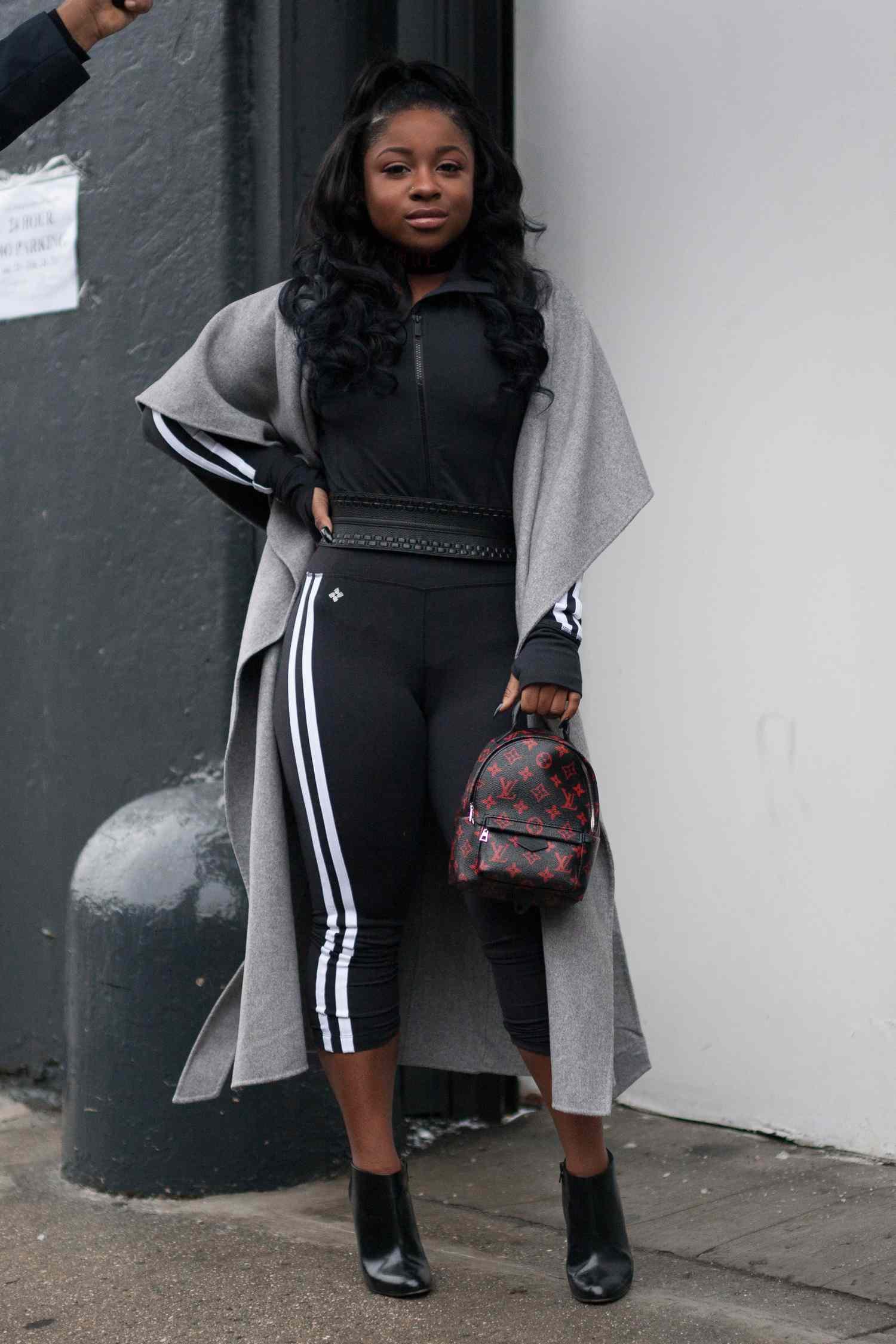
These items allow consumers to move easily between workouts and everyday activities.
How Athleisure Influences Activewear Design
Athleisure has significantly changed how activewear is designed.
Modern activewear brands now focus on combining:
- performance fabrics
- fashion-forward silhouettes
- minimalist branding
- versatile color palettes
From my experience working with activewear startups, many brands now prioritize hybrid designs that function both as workout gear and casual fashion.
Reliable production partners also play a major role in developing these garments.
👉 Custom Activewear Manufacturer
Manufacturers can assist brands with:
- fabric sourcing
- product development
- logo customization
- scalable production
What Brands Can Learn from Athleisure
Athleisure offers several important lessons for clothing entrepreneurs.
Lesson 1: Design for Real Life
Consumers want clothing that fits into their everyday routines.
Lesson 2: Focus on Comfort
Stretch fabrics and ergonomic designs improve wearability.
Lesson 3: Build Lifestyle Branding
Successful brands sell a lifestyle, not just products.
Lesson 4: Invest in Quality Manufacturing
High-quality construction ensures durability and customer satisfaction.
The Future of Athleisure Fashion
The athleisure trend shows no signs of slowing down.
Several emerging developments may shape the future of the category.
Future Athleisure Trends
| Trend | Description |
|---|---|
| sustainable athleisure | eco-friendly fabrics |
| smart textiles | performance-enhancing materials |
| minimalist design | subtle branding |
| hybrid fashion | blending sportswear with streetwear |
These innovations will likely continue to expand the global athleisure market.
FAQ About Athleisure
Why is athleisure so popular?
Athleisure combines comfort, style, and versatility, making it suitable for both workouts and everyday wear.
Is athleisure replacing traditional sportswear?
Not entirely. Sportswear still dominates professional sports, while athleisure focuses on lifestyle use.
What fabrics are common in athleisure clothing?
Typical fabrics include:
- nylon spandex blends
- polyester performance fabrics
- seamless knit materials
Can new brands succeed in the athleisure market?
Yes. Brands that combine innovative design, strong branding, and reliable manufacturing can still succeed.
Final Thoughts
Athleisure has transformed the fitness apparel industry by merging fashion and performance.
Consumers now expect clothing that supports active lifestyles while remaining stylish and comfortable.
From my experience working with fitness apparel brands, companies that successfully balance design innovation, performance fabrics, and lifestyle branding are best positioned for long-term growth.
If you're exploring activewear production for your brand, you can learn more here:
Athleisure is no longer just a trend — it has become a defining category in modern apparel.

