
Reebok is one of the most globally recognized fitness and training brands — and many buyers often ask:
“Where is Reebok activewear actually manufactured?”
According to information from the Reebok official website and background from Wikipedia, the brand does not manufacture products directly in the U.S. or Europe. Instead, it partners with factories across Asia, South America, and other global production hubs to produce apparel, footwear, and accessories.
From my OEM manufacturing experience, Reebok collaborates with regions specializing in performance fabrics, durable training apparel, and large-scale athletic production, ensuring both quality and cost efficiency.
This article explains Reebok’s manufacturing locations and supply chain strategy in a clear and simple way.
Table of Contents
- Quick Answer
- 1. Main Countries Producing Reebok Activewear
- 2. Why Reebok Manufactures in These Regions
- 3. Reebok Footwear vs. Apparel Production Differences
- 4. Comparison With Other Fitness Brands
- 5. What Buyers Should Know About OEM Production
- FAQs
- Partnering With FuKi Gymwear
Quick Answer
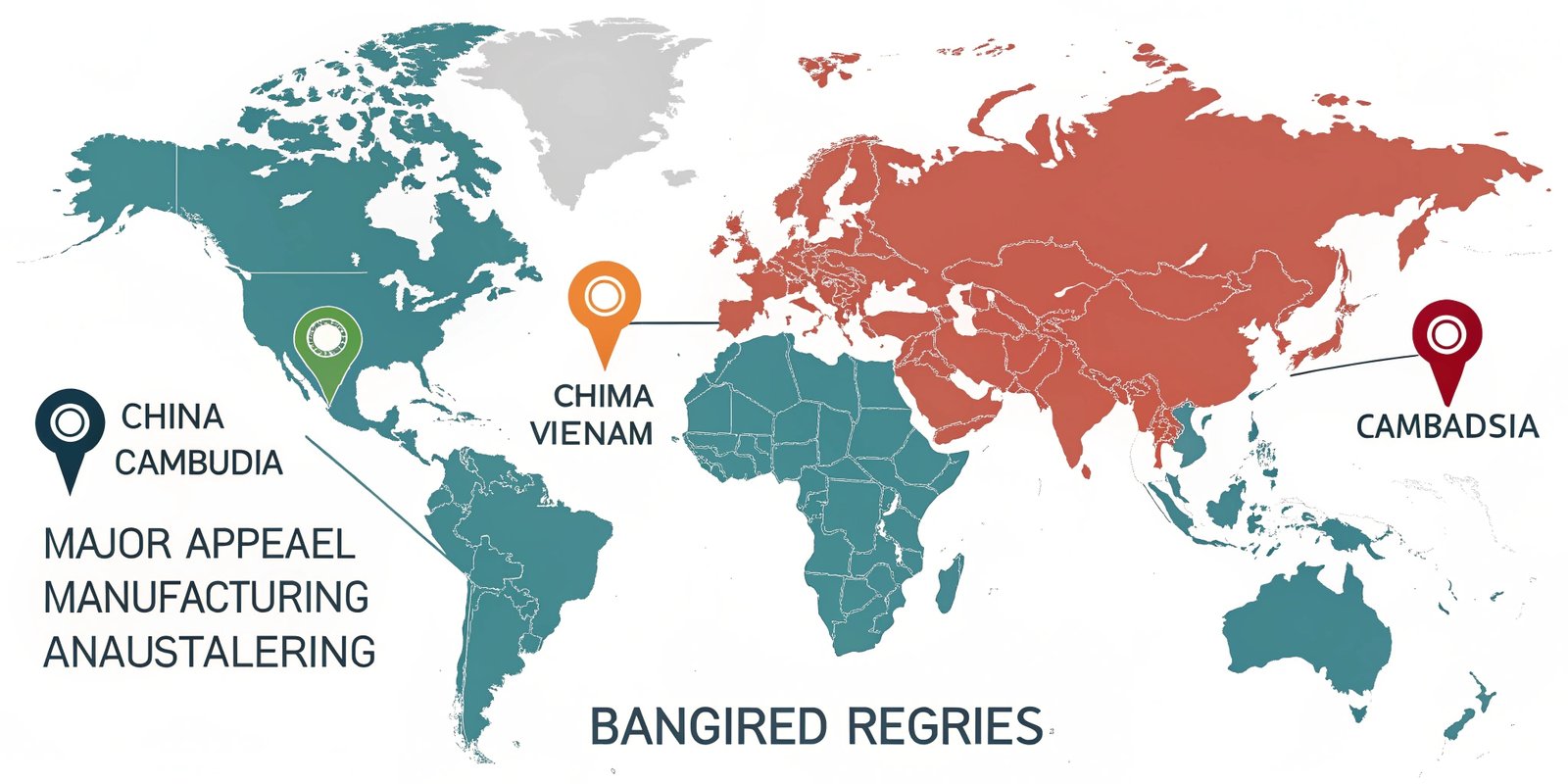
Reebok activewear is primarily manufactured in China, Vietnam, Cambodia, India, Bangladesh, Indonesia, and selected South American regions.
These countries specialize in training apparel, knitted sportswear, and high-volume athletic production.
💬 OEM perspective: Reebok selects suppliers with strong expertise in:
- performance knit fabrics
- moisture-wicking materials
- reinforced seams
- ergonomic training apparel construction
1. Main Countries Producing Reebok Activewear
Reebok sources its apparel and footwear from several well-established global manufacturing hubs.
Primary Apparel Manufacturing Regions
- China – performance knits, leggings, sports bras
- Vietnam – durable stitching and technical sportswear
- Cambodia – cost-efficient gymwear production
- Bangladesh – large-scale apparel manufacturing
- India – cotton-based active lifestyle apparel
- Indonesia – reinforced sportswear construction
Related Reebok Collections
Women’s Training Apparel
https://www.reebok.com/us/women-training
Men’s Training Apparel
https://www.reebok.com/us/men-training
💬 OEM insight: These regions specialize in polyester performance blends, sweat-wicking fabrics, and flexible training patterns designed for movement and durability.
2. Why Reebok Manufactures in These Regions
Reebok selects manufacturing countries based on capability, scalability, and efficiency.
Key reasons
- specialization in athletic apparel manufacturing
- access to technical fabrics (nylon/poly blends)
- cost-effective production for global markets
- skilled labor for sportswear construction
- high-volume capacity for international distribution
💬 Factory-side perspective: Training apparel requires durable seams, flexible knits, and abrasion-resistant fabrics, which Asian production hubs excel at delivering.
3. Reebok Footwear vs. Apparel Production Differences
Reebok’s apparel and footwear manufacturing locations differ slightly, depending on production specialization.
Apparel Production
Focus countries:
- China
- Vietnam
- Cambodia
- Bangladesh
Strengths:
- leggings and sports bras
- knit gymwear
- training apparel
Footwear Production
Focus countries:
- Vietnam
- Indonesia
- China
Strengths:
- outsole tooling
- cross-training shoe engineering
- durability testing
Example Product
Reebok Nano Training Shoes
https://www.reebok.com/us/nano
💬 OEM insight: Training shoes require factories with advanced outsole molding and structural engineering, which is why Vietnam and Indonesia dominate footwear production.
4. Comparison With Other Fitness Brands
Reebok’s supply chain is similar to other major sportswear brands.
| Brand | Primary Manufacturing Regions | Core Strength |
|---|---|---|
| Reebok | China, Vietnam, Bangladesh | Functional fitness focus |
| Nike | Vietnam, China, Indonesia | Innovation and R&D |
| Puma | China, Vietnam, India | Value and comfort |
| Under Armour | Jordan, Vietnam, China | Compression performance |
Summary
Reebok aligns closely with other global brands by relying on Asia-based technical manufacturing ecosystems.
5. What Buyers Should Know About OEM Production
For buyers or entrepreneurs interested in producing fitness apparel, a few key realities matter.
Important factors
- product quality depends more on factory capability than country
- performance apparel requires specialized knit and seam engineering
- fabric selection determines durability more than branding
- global brands rely on multi-country sourcing to balance cost and capacity
💬 OEM perspective: When evaluating suppliers, experienced manufacturers look at equipment, team skill, and fabric sourcing capabilities, not geography alone.
FAQs
Q1: Does Reebok manufacture in the USA?
No. Most production is located in Asia, where factories can handle large-scale sportswear manufacturing.
Q2: Where are Reebok leggings made?
Most are produced in China, Vietnam, and Cambodia.
Q3: Are Reebok products made in the same factories as other brands?
Often yes. Many factories produce for multiple global sportswear brands.
Q4: Which country produces the highest-quality Reebok items?
China and Vietnam typically produce the most technical and performance-focused products.
Partnering With FuKi Gymwear
If you want to develop high-quality activewear similar to Reebok — durable, flexible, and performance-driven — choosing the right OEM partner is critical.
👉 FuKi Gymwear supports brands with:
- performance training fabrics
- reinforced seam engineering
- leggings, sports bras, and training tops
- low MOQ production for startup brands
- sustainability-forward material options
💬 Great activewear comes from great factories — and we help brands build it from the ground up.
