
As someone who works closely with global apparel OEM factories, I often get asked one question from founders, buyers, and outdoor-gear beginners:
“Where is Patagonia clothing actually made now?”
The truth is: Patagonia’s supply chain is intentionally global. Their sourcing is built around quality, sustainability, and specialized regional strengths—not simply cost.
Below is a clear, beginner-friendly guide explaining where Patagonia manufactures, why these regions are chosen, and how the brand maintains high standards across multiple countries.
Table of Contents
- Quick Answer
- 1. Patagonia’s Current Manufacturing Regions
- 2. Why Patagonia Uses a Multi-Country Supply Chain
- 3. Country-by-Country Breakdown
- 4. How Patagonia Maintains Quality & Sustainability
- 5. Who Should Learn From Patagonia’s Supply Strategy
- FAQs
- Related Links
Quick Answer
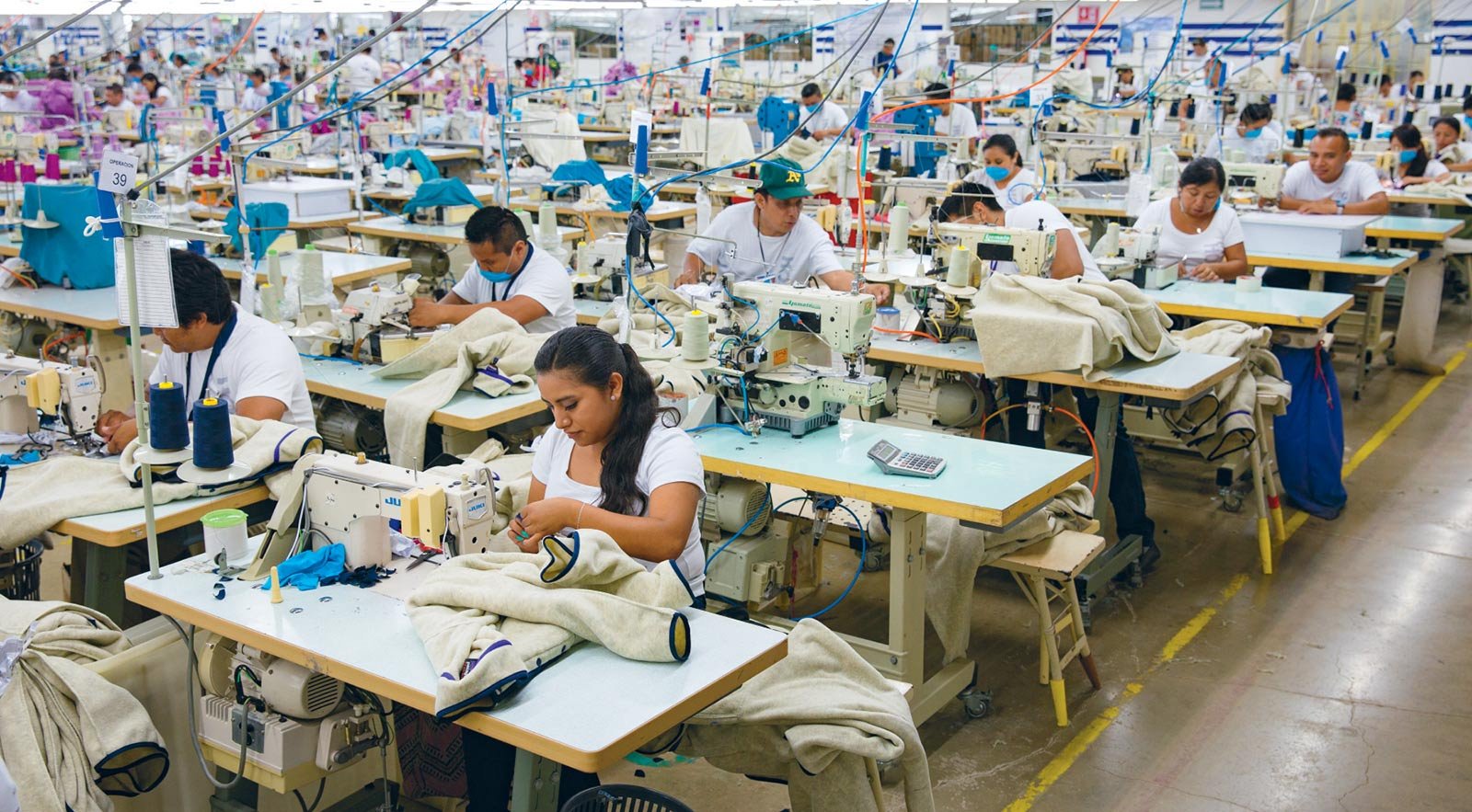
Patagonia clothing is primarily made in Vietnam, Sri Lanka, China, Thailand, Mexico, and India, with additional production in USA and other regions for specialty items.
The brand chooses factories based on:
- technical capability
- sustainable material sourcing
- ethical compliance
- long-term production partnerships
External references:
- Patagonia Official: https://www.patagonia.com
- Corporate Responsibility Reports: https://www.patagonia.com/our-footprint
1. Patagonia’s Current Manufacturing Regions
From OEM factory audits and material-testing experience, Patagonia’s production is centered in:
Major Manufacturing Countries
- Vietnam — outdoor jackets, fleece, insulated layers
- Sri Lanka — performance base layers, sportswear
- China — technical knits, accessories, outerwear
- Thailand — wovens, softshells
- Mexico — workwear, lifestyle apparel
- India — organic cotton garments
Smaller-Volume Regions
- USA — heritage pieces, limited runs
- Nicaragua / Colombia — selected cut-and-sew categories
Patagonia selects regions based on material availability + environmental compliance + worker protections.
2. Why Patagonia Uses a Multi-Country Supply Chain
Patagonia does not chase the lowest cost. Instead, their system is built on:
✔ Ethical Manufacturing
Patagonia is known for strict audits, living-wage programs, and transparent sourcing.
✔ Technical Fabric Expertise
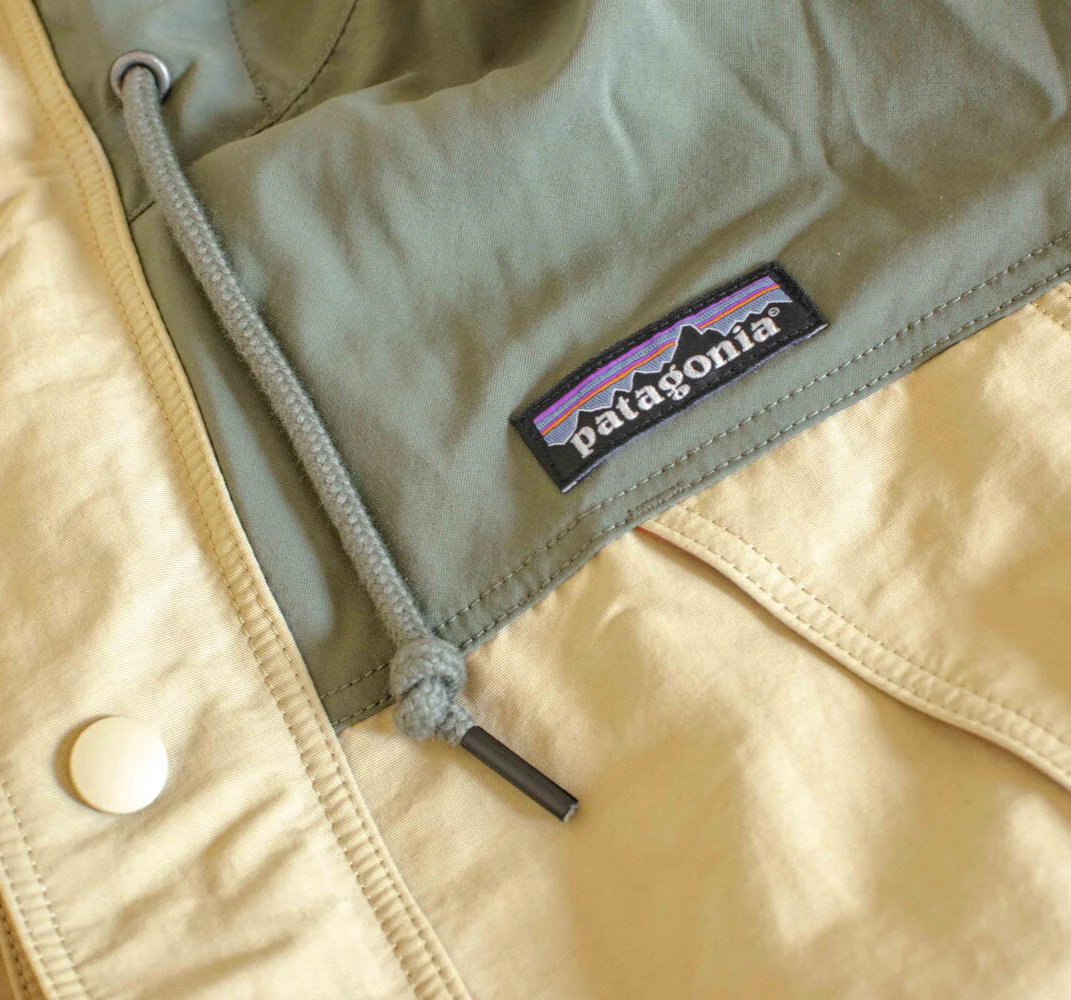
Different countries specialize in:
- recycled polyester
- organic cotton
- thermal insulation
- waterproof seam-taping
✔ Risk Diversification
Multi-country sourcing reduces geopolitical and logistics risks.
✔ Sustainability Alignment
Some regions have stronger recycling programs or renewable energy systems.
OEM Insight:
High-performance outdoor gear requires factories with very specialized sewing and bonding capabilities—not every factory qualifies.
3. Country-by-Country Breakdown
| Country | Products Commonly Made | Why Patagonia Produces Here |
|---|---|---|
| Vietnam | Jackets, fleece, shells | Advanced machinery, strong QC culture |
| Sri Lanka | Base layers, stretch knits | High skill in performance apparel |
| China | Technical outerwear, packs | Precision bonding + large material ecosystem |
| Thailand | Softshells, wovens | Consistent quality + stable supply chain |
| Mexico | Workwear, casual wear | Closer US logistics, flexible volumes |
| India | Organic cotton apparel | Ethical sourcing + GOTS-certified mills |
4. How Patagonia Maintains Quality & Sustainability
Patagonia is known for one of the most transparent supply chains in the industry. Their quality consistency comes from:
✔ Rigorous Fabric Testing
- abrasion
- colorfastness
- waterproofing
- seam strength
- recycled material validation
✔ Facility Audits
Patagonia partners only with factories that meet:
- Fair Trade standards
- environmental compliance
- worker safety requirements
✔ Long-Term Partnerships
Factories remain with Patagonia for years—sometimes decades.
✔ Traceable Materials
Recycled polyester, organic cotton, and RDS-certified down are all part of their global sourcing program.
OEM Insight:
Patagonia’s QC process is engineering-driven, not fashion-driven, which is why their garments last significantly longer than trend-based brands.
5. Who Should Learn From Patagonia’s Supply Strategy
Ideal for:
- outdoor apparel startups
- sustainability-focused brands
- companies wanting long-lasting supply partnerships
Key Takeaways:
- Match product category to regional expertise
- Prioritize compliance over low cost
- Invest in material innovation early
- Build long-term factory relationships
Internal Link:
If you're building your own sustainable or performance-focused apparel line, start here:
👉 https://fukigymwear.com
FAQs
Q1: Is Patagonia made in the USA?
Only a small portion. Most production is global.
Q2: Why doesn’t Patagonia manufacture everything in the US?
Technical capacity and sustainability programs vary by region; global production ensures capability and scale.
Q3: Does the country of origin affect quality?
Not with Patagonia. Their QC standards are consistent worldwide.
Q4: Is Patagonia environmentally responsible wherever they produce?
Yes — they partner only with audited, compliant factories.
Related Links
- Patagonia Official Site: https://www.patagonia.com
- Environmental & Social Responsibility: https://www.patagonia.com/our-footprint
- Performance Fabric OEM Support: https://fukigymwear.com

