
When you buy a $120 pair of Alo Yoga leggings, you might wonder:
“Where is Alo Yoga actually made?”
As someone working directly with activewear factories and fabric mills, I’ve looked into how Alo Yoga operates behind the scenes — from manufacturing hubs to quality control standards.
Here’s a clear and honest explanation.
Table of Contents
- Is Alo Yoga Made in the USA?
- Where Is Alo Yoga Clothing Actually Manufactured?
- Why Alo Yoga Produces in Asia
- How Alo Yoga Maintains Premium Quality Standards
- Comparison: Alo Yoga vs Lululemon Manufacturing
- Does “Made in China” Affect Quality?
- What Small Brands Can Learn from Alo Yoga’s Supply Chain
- FAQs
- About FuKi Gymwear – Custom Activewear Manufacturer
1. Is Alo Yoga Made in the USA?
Alo Yoga was founded in Los Angeles, California in 2007 — and that’s still where its headquarters and design team are located.
However, most of its clothing is not made in the USA.
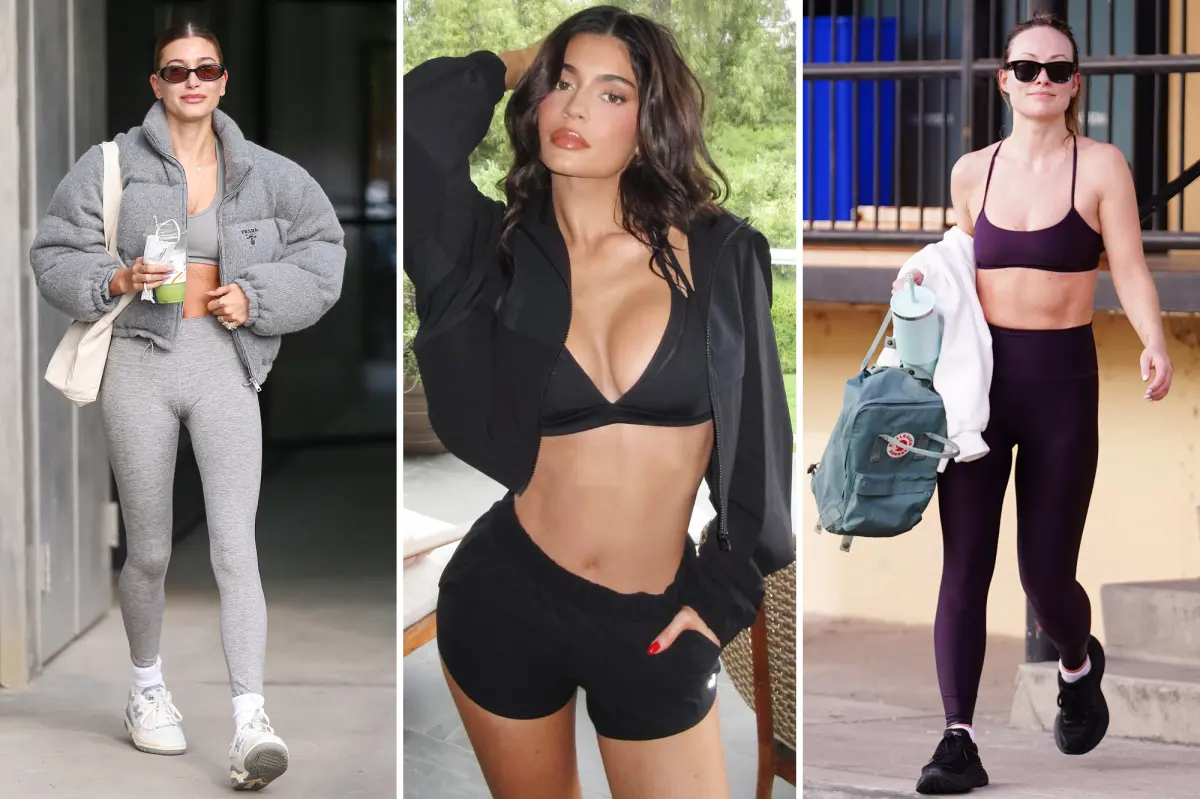
Alo operates as a California-based design brand, but production happens primarily in Asia, where high-end activewear factories specialize in stretch fabric engineering and mass production.
2. Where Is Alo Yoga Clothing Actually Manufactured?
Alo Yoga’s production is global — focused mostly in China, Vietnam, and Indonesia, with small operations in the USA and Peru for limited runs.
| Country | Production Role | Main Product Types |
|---|---|---|
| China | Major production hub | Leggings, bras, tops |
| Vietnam | Seamless & bonded pieces | Yoga sets, jackets |
| Indonesia | Lightweight knits | Yoga shorts, tanks |
| USA | Sampling, small-batch sewing | Limited collections |
| Peru | Cotton & lounge fabric goods | Sweatshirts, loungewear |
💡 Many of these factories also produce for Lululemon, Nike, and Vuori — they share similar technical capabilities.
3. Why Alo Yoga Produces in Asia
From a manufacturer’s perspective, here’s why Alo — like most premium brands — relies on Asia:
- Specialized fabric technology – China and Vietnam lead in spandex and seamless knits.
- Skilled labor – Sewing compression and 4-way stretch fabrics requires advanced stitching precision.
- Efficiency & scalability – Factories can handle large orders with consistent quality.
- Material sourcing proximity – Fabric mills are located near production hubs.
- Sustainability certifications – Many Alo suppliers are OEKO-TEX® or BLUESIGN® certified.
🧵 It’s not about cheap labor — it’s about specialized expertise.
4. How Alo Yoga Maintains Premium Quality Standards
Even though production is overseas, Alo’s quality is ensured through strict checks:
| Standard | Implementation | Example |
|---|---|---|
| Material testing | Each batch tested for stretch recovery, colorfastness | Seamless leggings |
| Sustainability | Only certified mills (OEKO-TEX®, WRAP) | Recycled nylon, spandex |
| Fit testing | Prototypes tested on models in LA | Yoga flow sessions |
| QC process | On-site audits + third-party inspections | Final garment sign-off before shipping |
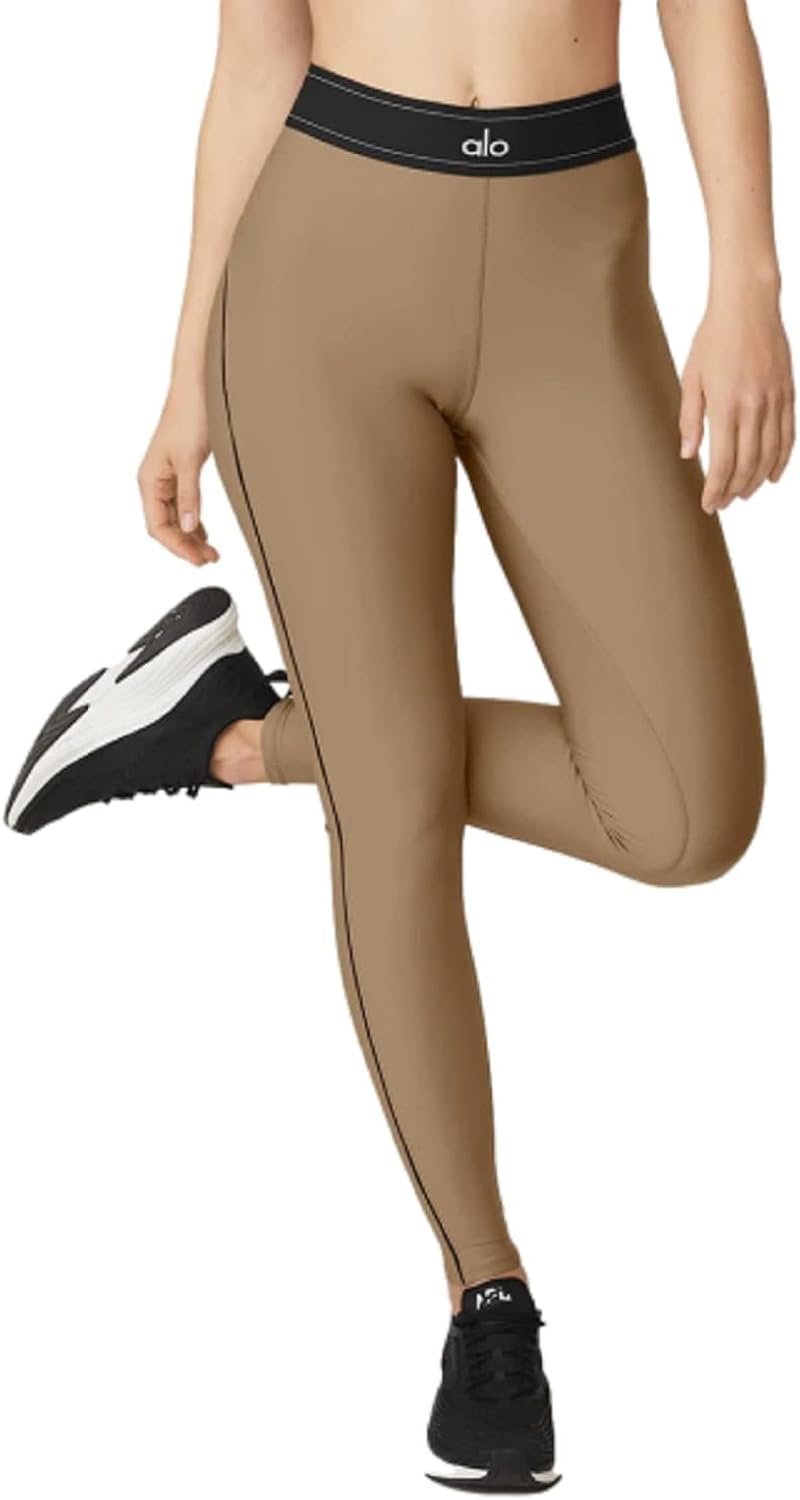
💬 In my experience, Alo’s supply chain is nearly identical to Lululemon’s in structure — just smaller scale.
5. Comparison: Alo Yoga vs Lululemon Manufacturing
| Brand | Headquarters | Main Production Countries | QC Level | Price Range (USD) |
|---|---|---|---|---|
| Alo Yoga | USA (Los Angeles) | China, Vietnam, Indonesia | High | $80–$150 |
| Lululemon | Canada (Vancouver) | China, Vietnam, Cambodia | Very High | $90–$180 |
| FuKi Gymwear | China (OEM Factory) | In-house & partner factories | Custom-controlled | $25–$60 (B2B wholesale) |
💡 Prices reflect retail averages as of 2025. FuKi Gymwear offers OEM/ODM B2B pricing for startup and established brands.
✅ Both Alo and Lululemon produce in Asia — the difference lies in how they test, inspect, and market their products.
6. Does “Made in China” Affect Quality?
Absolutely not.
Many of the world’s top-performing activewear pieces come from Chinese factories that use advanced knitting and bonding machines imported from Japan and Italy.
Modern Chinese suppliers:
- Use 4-needle flatlock stitching (same as Lululemon)
- Operate eco-certified dyeing systems
- Have advanced quality control departments
💬 I’ve visited several of these factories personally — their quality easily rivals US-made products.
7. What Small Brands Can Learn from Alo Yoga’s Supply Chain
| Lesson | Description | Action Step |
|---|---|---|
| Partner with reliable OEMs | Focus on long-term collaboration | Work with factories like FuKi Gymwear |
| Prioritize fabrics | Material defines your brand value | Choose nylon-spandex or recycled blends |
| QC matters more than geography | “Made in China” ≠ low quality | Request production videos or inspection reports |
| Tell your story | Transparency builds brand trust | Include factory info on your website |
💡 Your quality depends on process control — not your production country.
8. FAQs
Q1. Where are most Alo Yoga leggings made?
Mainly in China and Vietnam, in certified performancewear factories.
Q2. Does Alo Yoga manufacture in the USA?
Only limited runs and sampling are done in Los Angeles.
Q3. Are Alo Yoga’s fabrics eco-friendly?
Some are — Alo has increased its use of recycled and OEKO-TEX® fabrics.
Q4. Can smaller brands use similar factories?
Yes. OEM manufacturers like FuKi Gymwear use similar materials and processes.
9. About FuKi Gymwear – Custom Activewear Manufacturer
At FuKiGymwear.com, we help startup and established brands create activewear inspired by leaders like Alo Yoga and Lululemon.
Our Services Include:
- OEM & ODM production – Low MOQ (100 pcs)
- Custom fabrics: brushed nylon, seamless knits, recycled polyester
- Logo options: silicone print, embroidery, heat transfer
- Fast production: Sampling in 7–10 days, bulk in 25–35 days
- Certified ethical factories: OEKO-TEX®, BSCI, and WRAP approved
💬 If you want to develop your own premium yoga line, we help you combine Alo’s style with Lululemon’s quality.
👉 Ready to manufacture your own yoga wear collection?
Visit FuKiGymwear.com to start your custom production journey today.

