
Adidas is one of the biggest sportswear brands in the world — but many shoppers still ask the same question: “Where does Adidas actually manufacture its shoes and clothing?”
As someone who works directly with performance-wear factories, shipping partners, and OEM supply chains, I’ve seen how Adidas distributes its production to balance cost, quality, and speed. This guide breaks it down clearly and simply.
Table of Contents
- Quick Answer
- 1. Main Manufacturing Regions
- 2. Why Adidas Produces Mainly in Asia
- 3. Manufacturing Quality Standards
- 4. What This Means for Consumers
- 5. Lessons for Smaller Activewear Brands
- FAQs
- Related Links
Quick Answer
Adidas manufactures most of its footwear and apparel in Vietnam, China, Indonesia, Cambodia, and India. Additional production hubs are located in Turkey, Brazil, and Mexico. Asia remains the core hub due to advanced machinery, high-volume capacity, and massive infrastructure for performance textiles.
💬 OEM Insight: Adidas categorizes its production by country strengths—for example, Vietnam is often the leader for complex footwear, while China leads in advanced knitting technology.
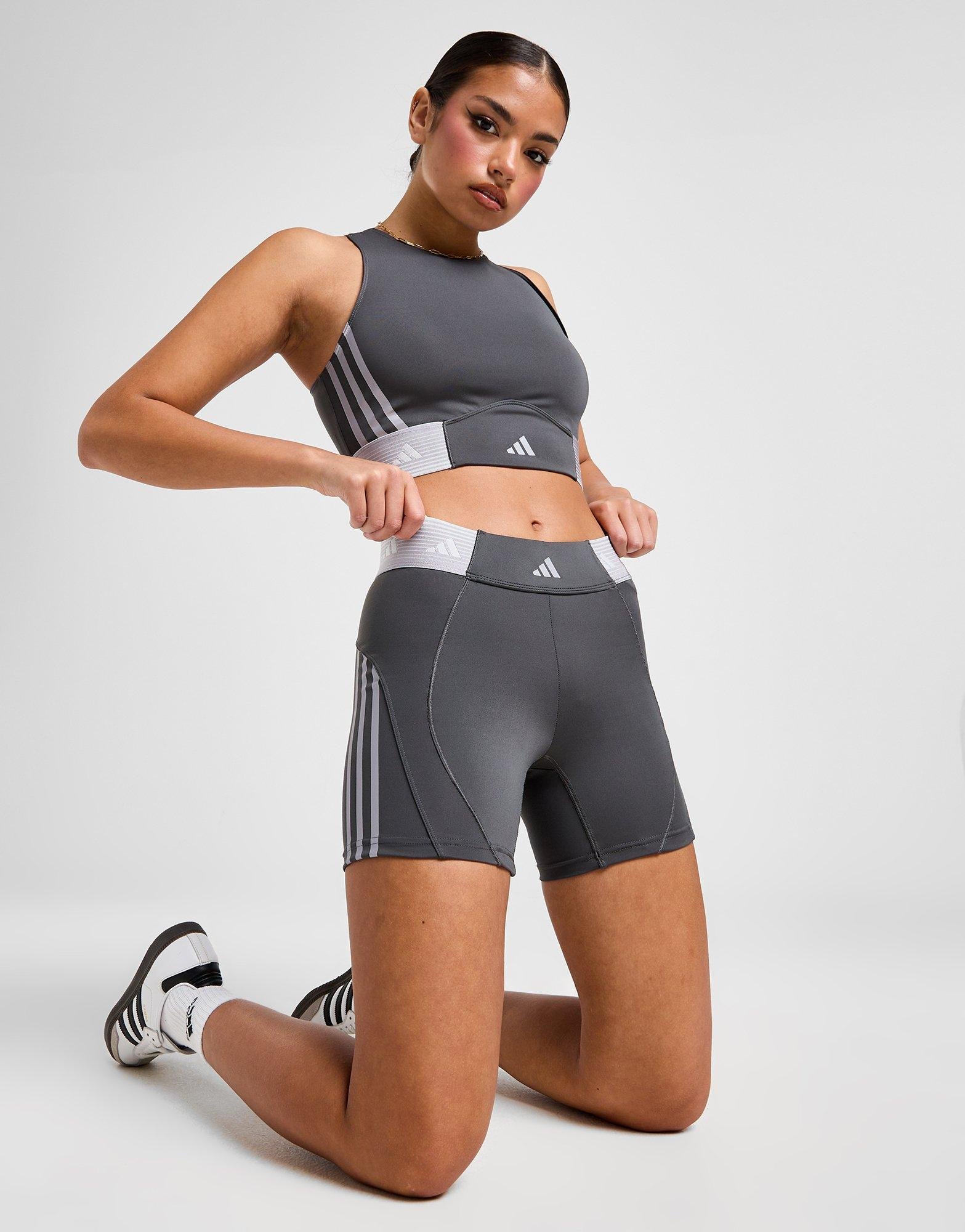
1. Where Adidas Manufactures Its Shoes and Apparel
Adidas uses a multi-country sourcing system to maintain speed and reliability. By diversifying their factory locations, they reduce risk and optimize for regional shipping.
| Country | Key Strengths | Category Focus |
|---|---|---|
| Vietnam | High-quality sewing & stable workforce | Major footwear hub |
| China | Advanced knitting & tooling | Complex shoes & technical apparel |
| Indonesia | Skilled in sports footwear | Performance shoes |
| Cambodia | Competitive apparel pricing | Leggings, tops, and basics |
| Turkey | Strong cotton-rich supply chain | T-shirts & hoodies for Europe |
| Brazil/Mexico | Nearshore advantage | Shorter delivery to the Americas |
2. Why Adidas Produces Mainly in Asia
Asia remains the global center for high-performance sportswear for several strategic reasons:
- Advanced Machinery: The latest in seamless, 3D mesh, and weaving technology is concentrated here.
- Expertise: Decades of specialized knowledge in athletic footwear construction.
- Proximity to Materials: Asian factories are close to the primary producers of rubber, yarns, and synthetics.
- Scalability: The ability to ramp up production for massive global releases (like a World Cup or a Yeezy drop).
3. Adidas Manufacturing Quality Compared
Adidas maintains strict standardized quality controls regardless of where the factory is located. They don't rely on "location" for quality; they rely on standardization.
Key Quality Protocols:
- Global Tech Packs: Every factory uses the exact same digital blueprint.
- Standardized Suppliers: Using the same yarn and hardware brands globally to ensure consistency.
- Lab Testing: Rigorous testing for colorfastness, pilling, and tensile strength.
- Third-Party Audits: Regular compliance and social responsibility inspections.
| Brand | Manufacturing Strength | Focus |
|---|---|---|
| Adidas | Innovation & Material Stability | High-end technical consistency |
| Nike | Global Scale & Speed | Market-leading innovative tech |
| Puma | Speed & Performance | Agility in trend-following |
4. What This Means for Consumers
The Pros:
- Consistency: A size 10 in one model is likely to fit like a size 10 in another.
- Durability: High-standard footwear construction meant for heavy training.
- Availability: Reliable restocks due to high-volume capacity.
The Cons:
- Regional Variation: Minor differences can occasionally occur between different factory batches.
- Premium Pricing: Costs remain high even with offshore production due to R&D and marketing overhead.
5. What Smaller Activewear Brands Can Learn
- Diversify Sourcing: Don't put all your eggs in one factory basket.
- Focus on Standards: Quality comes from repeatable processes, not just the country of origin.
- Standardize Materials: Work with reputable yarn and trim suppliers across your product line.
- Long-Term Partnerships: Building trust with a factory leads to better priority and quality.
👉 Looking for OEM Support? Contact Fuki Gymwear
FAQs
bAre all Adidas shoes made in Asia?
The vast majority are, though some regional production exists in Latin America to serve local markets.
Does the country of origin affect the quality?
Not significantly. A high-tier factory in Vietnam often produces higher-quality gear than a low-tier factory in Europe. Capability and QC standards are what matter.
Why doesn't Adidas manufacture in the U.S.?
The specialized machinery and labor infrastructure for mass-scale athletic footwear are currently more developed in Asia.
Related Links
- Official Adidas: adidas.com
- Adidas Wikipedia: en.wikipedia.org/wiki/Adidas
- Activewear Manufacturing Help: fukigymwear.com
