
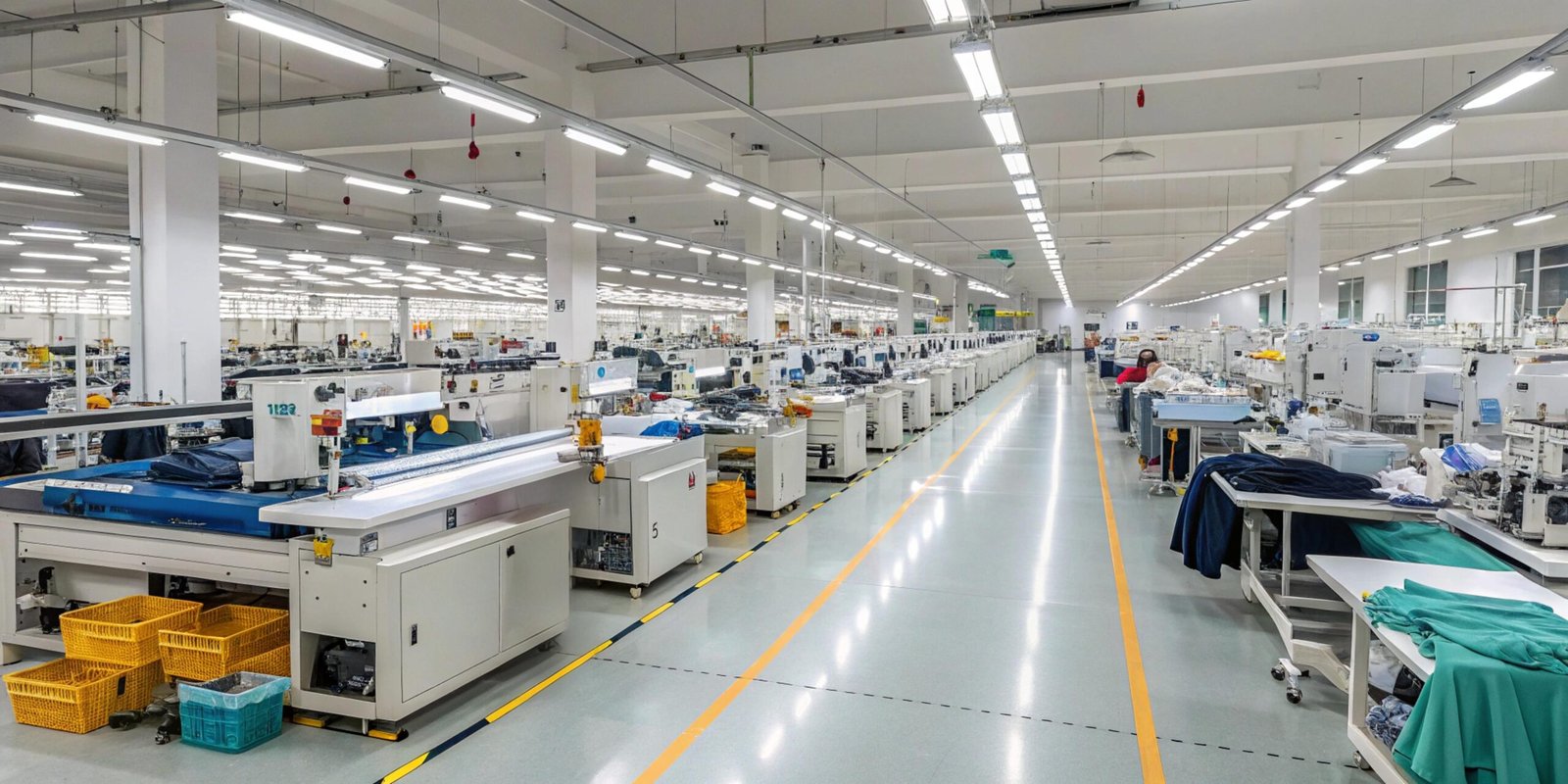
Nike operates one of the largest and most diversified production networks in the global apparel industry.
Its sportswear is produced across multiple countries to balance cost, quality, capacity, and speed.
As someone who works with activewear OEM factories, I’ve seen how Nike’s manufacturing strategy shapes industry standards — especially in performance wear and large-scale sourcing.
This guide breaks down Nike’s production locations in a simple, structured way to help brands understand how modern sportswear supply chains work.
Table of Contents
- Quick Answer
- 1. The Global Spread of Nike’s Manufacturing
- 2. Why Nike Uses Multi-Country Production
- 3. Key Sportswear Production Regions Explained
- 4. Comparison: Strengths of Each Region
- 5. What Smaller Brands Can Learn From Nike
- FAQs
- Partnering With FuKi Gymwear
Quick Answer
Nike manufactures most of its sportswear in Vietnam, China, Indonesia, Thailand, Cambodia, and Sri Lanka.
Each region specializes in different materials and product categories, allowing Nike to scale production while maintaining consistent performance quality.
💬 From my OEM experience, Nike succeeds because it spreads risk, uses region-specific expertise, and partners only with factories capable of strict compliance.
1. The Global Spread of Nike’s Manufacturing
Nike works with 500+ factories across 40+ countries, but the main sportswear output comes from:
| Country | Why It’s Important |
|---|---|
| Vietnam | Nike’s largest production hub; advanced technical fabrics |
| China | High-tech manufacturing, specialty materials |
| Indonesia | Strong footwear + apparel capacity |
| Thailand | Performance fabrics & trims |
| Cambodia | Large scale apparel assembly |
| Sri Lanka | Premium sports bras & technical sewing |
💬 Many of Nike’s best seamless and performance pieces come from Vietnam and Sri Lanka.
2. Why Nike Uses Multi-Country Production
✔ Risk diversification
Reduces dependencies on a single region.
✔ Access to specialized expertise
Example: Sri Lanka excels in molding, bonding, and performance bras.
✔ Faster lead times
Different regions support different product cycles.
✔ Balanced cost structures
Not too high, not the cheapest — optimized for long-term stability.
✔ Compliance & sustainability
Nike selects regions with strong labor and environmental capabilities.
💬 Nike doesn’t chase the cheapest factories — it partners with the most capable.
3. Key Sportswear Production Regions Explained
🇻🇳 Vietnam — Nike’s strongest apparel hub
- Advanced knitting & seamless
- Strong performance-wear expertise
- Reliable large-scale operations
🇨🇳 China — technology & specialization
- Premium fabrics
- High-precision sewing
- Advanced dyeing and finishing
🇮🇩 Indonesia — footwear + apparel hybrid
- Strong sportswear labor force
- Balanced cost vs quality
🇸🇱 Sri Lanka — premium technical garments
- Sports bras, leggings, performance tops
- Bonding, molding & heat-seal excellence
🇰🇭 Cambodia — scalable assembly
- High-volume cut-and-sew
- Flexible capacity
🇹🇭 Thailand — trims & fabric innovation
- Performance blends
- Moisture-wicking + stretch materials
💬 Each region offers something Nike needs — no single country can do it all.
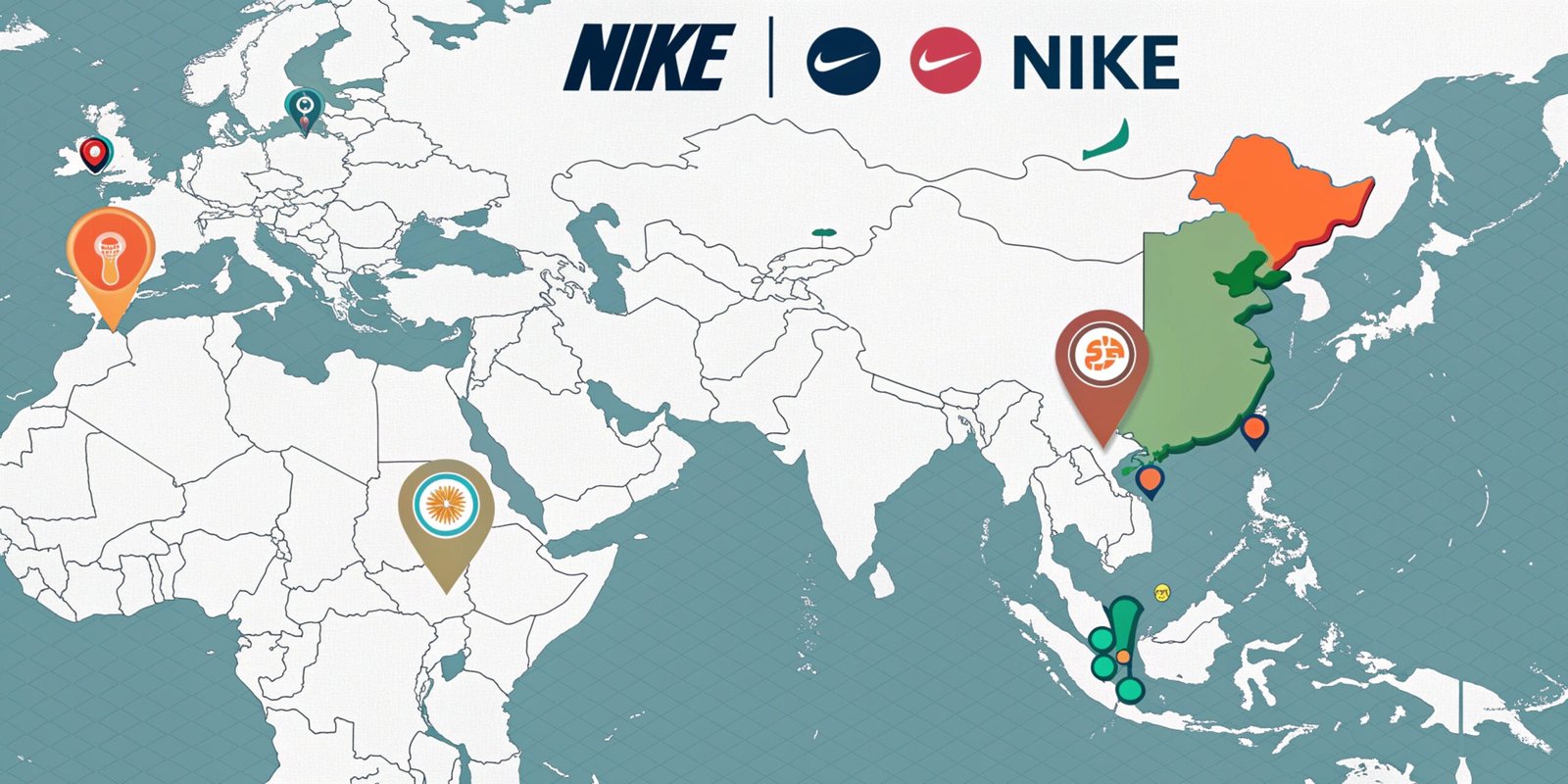
4. Comparison: Strengths of Each Region
| Region | Strengths | Best for |
|---|---|---|
| Vietnam | Balanced cost + high tech | Leggings, seamless, running tops |
| China | Specialized materials | Premium performance fabrics |
| Indonesia | Large capacity | Training wear, sportswear sets |
| Sri Lanka | High-tech sewing | Bras, compression tops |
| Cambodia | Efficient scaling | Bulk cut-and-sew |
| Thailand | Fabric development | Moisture-wicking & stretch |
5. What Smaller Brands Can Learn From Nike
✔ Don’t rely on one country
Diversify to reduce delays and risk.
✔ Choose factories based on strengths
Fabric-heavy? Choose China.
Seamless-focused? Choose Vietnam.
✔ Build “region-fit” product categories
Match your collection to the region’s expertise.
✔ Prioritize compliance and stability
Long-term partners deliver better quality.
✔ Work with OEMs who understand multi-country sourcing
This is Nike’s biggest advantage.
💬 Big brands grow fast because their supply chains are engineered — not improvised.
FAQs
Q1: Where is most Nike apparel made today?
Mainly Vietnam, China, and Indonesia.
Q2: Does Nike still produce in China?
Yes — especially for high-tech and premium materials.
Q3: Is Nike moving production to new countries?
Yes, Southeast Asia continues to expand capacity.
Q4: Can smaller brands work with the same regions?
Absolutely — with the right factory and MOQ strategy.
Partnering With FuKi Gymwear
If you want to build sportswear using Nike-level manufacturing logic,
👉 FuKi Gymwear can support your production goals.
Why brands choose us:
- 🧵 Low MOQ + fast sampling
- 🚀 Seamless, brushed & performance fabrics
- 🌱 Sustainable recycled material options
- 🌏 Multi-region sourcing strategies
- 🎨 Support for branded collections & influencer drops
💬 We help brands scale with the same structure top global companies use.

