
As someone deeply involved in apparel manufacturing, I often get asked:
“Where exactly does Nike make its clothes and shoes today?”
By 2025, Nike’s supply chain has evolved significantly — shifting from China to Vietnam and other Asian hubs. Let’s unpack what this means for quality, ethics, and the global apparel landscape.
Table of Contents
- Quick Answer
- 1. Nike’s Global Manufacturing Map in 2025
- 2. Why Nike Moved Beyond China
- 3. Key Manufacturing Countries in 2025
- 4. Ethical Production and Sustainability Efforts
- 5. What This Means for Smaller Activewear Brands
- FAQs
- How FuKi Yoga Helps Brands Build Ethical, Scalable Supply Chains
Quick Answer
In 2025, Nike manufactures most of its sportswear in Vietnam, Indonesia, and China, with smaller production in Cambodia, Thailand, and Central America.
This diversified structure helps Nike balance cost efficiency, global reach, and risk management.
Over 90% of Nike’s footwear and apparel are made in Asia — primarily Vietnam (25%) and China (24%).
1. Nike’s Global Manufacturing Map in 2025
Nike doesn’t own its factories — instead, it partners with over 650 independent suppliers in 35 countries.
According to Nike’s 2025 sustainability report:
| Region | % of Total Production | Main Products |
|---|---|---|
| Vietnam | ~25% | Footwear, apparel |
| China | ~24% | Apparel, accessories |
| Indonesia | ~20% | Footwear |
| Cambodia & Thailand | ~10% | Apparel |
| Central & South America | ~8% | Jerseys, footwear |
| Others (USA, EU) | ~3% | Limited runs, prototyping |
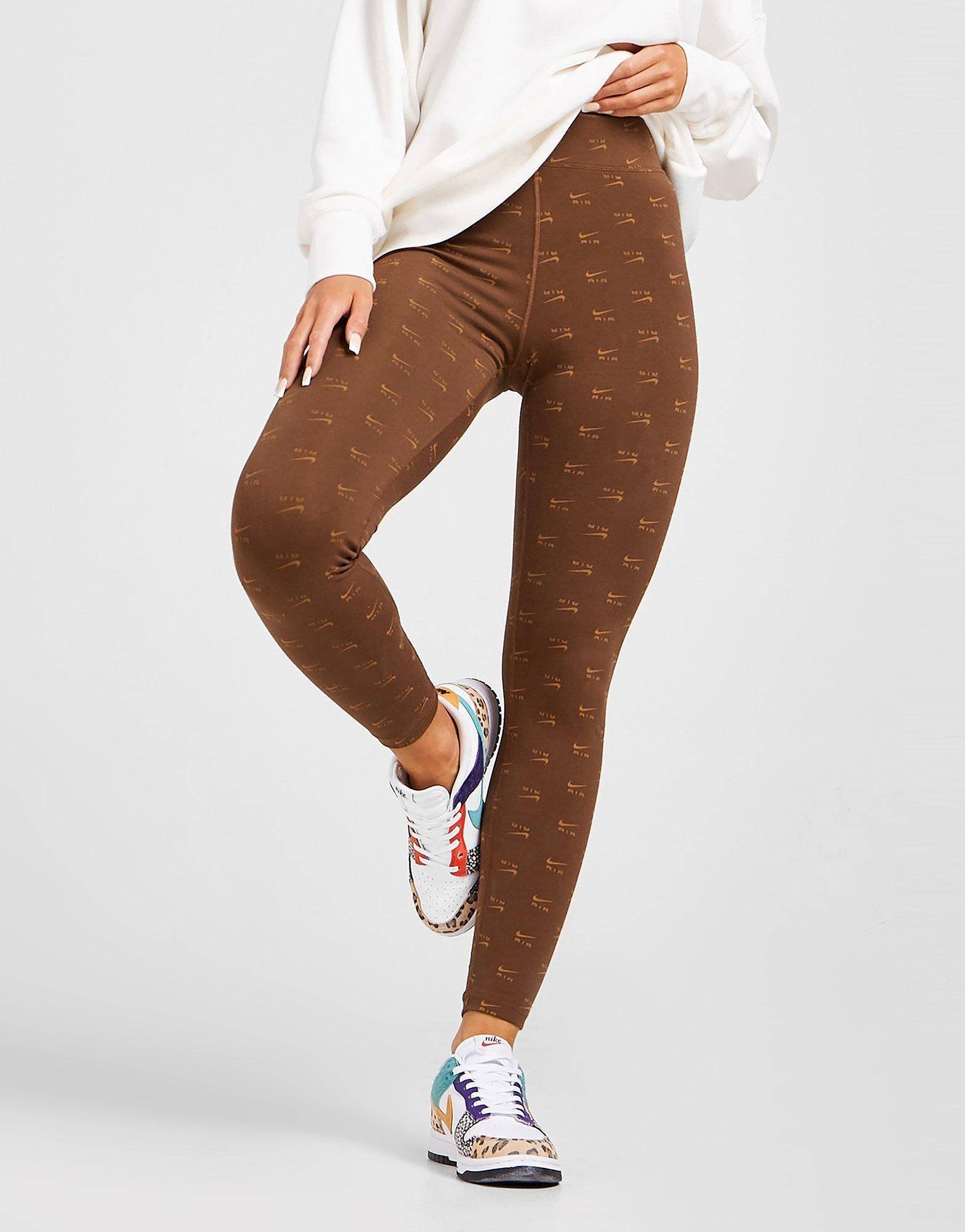
This structure gives Nike resilience — if one region faces tariffs or disruptions, others can ramp up production quickly.
2. Why Nike Moved Beyond China
From 2010 to 2025, Nike gradually shifted part of its production from China to Vietnam and Indonesia.
Here’s why:
- Rising labor costs in coastal China
- Trade tensions between the US and China
- Improved infrastructure and skilled labor in Vietnam
- Supply chain diversification to reduce risk
Vietnam is now Nike’s largest single manufacturing base for footwear — overtaking China for the first time in history.
3. Key Manufacturing Countries in 2025
Each production hub plays a distinct role:
| Country | Strength | Main Products |
|---|---|---|
| Vietnam | Cost-effective labor, advanced logistics | Shoes, yoga wear, sports tops |
| Indonesia | Skilled footwear factories | Running shoes, training gear |
| China | Technical textiles, large-scale capacity | High-performance apparel |
| Cambodia | Lower-cost cut-and-sew production | Leggings, basics |
| Thailand | Quality control and packaging | Finished goods assembly |
| Mexico & Honduras | Nearshore for the Americas | Jerseys, quick-turn items |
4. Ethical Production and Sustainability Efforts
Nike’s large-scale manufacturing has often drawn attention to labor conditions — but the company continues to improve transparency.
- All Tier-1 suppliers are now publicly listed.
- Factories are required to follow Nike’s Code of Conduct and Code Leadership Standards.
- 100% of contracted facilities undergo regular third-party audits.
- Nike’s “Move to Zero” initiative targets:
- 100% renewable energy in owned facilities
- 70% recycled polyester in core apparel
- Carbon neutrality goals by 2030
Ethical manufacturing is no longer optional — it’s part of Nike’s global business model.
5. What This Means for Smaller Activewear Brands
From my work with OEM/ODM clients, Nike’s approach offers three lessons:
- Diversify early — Don’t depend on one country.
- Prioritize compliance — Certifications (BSCI, Sedex, OEKO-TEX) matter for export credibility.
- Balance scale and flexibility — Work with manufacturers who offer low MOQ while maintaining standards.
Smaller brands can’t match Nike’s scale, but they can replicate its ethics and agility.
FAQs
Q1: Does Nike still make anything in the USA?
Yes — but only prototypes, limited-edition shoes, and some sports uniforms.
Q2: Are Nike clothes made ethically?
Nike uses third-party audits and sustainability goals to ensure fair labor and eco standards.
Q3: Which brand has the most similar production model to Nike?
Adidas and Puma follow comparable multi-country outsourcing models.
Q4: Why not bring manufacturing back to the U.S.?
High labor costs and limited textile infrastructure make large-scale domestic production impractical.
How FuKi Yoga Helps Brands Build Ethical, Scalable Supply Chains
At FuKi Yoga, we help brands build their own ethical and efficient manufacturing systems — without the massive scale of Nike.
Our services include:
- 🧵 OEM/ODM activewear production with low MOQ (100 pcs)
- 🌿 Eco fabrics: recycled nylon, RPET, bamboo, organic cotton
- 🧩 Flexible global production in China, Vietnam, and Bangladesh
- 🌍 Certified factories (BSCI, Sedex, GRS)
- 🩱 Private label support for custom logos, tags, and packaging
Like Nike, we value innovation and quality — but we help brands achieve it sustainably and at a manageable scale.
👉 Visit https://fukiyoga.com to explore sustainable OEM solutions.

