
If you’ve ever bought a pair of Lululemon leggings or a Define Jacket, you might have wondered — where are these premium activewear pieces really made?
Lululemon is a Canadian-born brand, but surprisingly, most of its products aren’t made in Canada at all.
As someone who works directly in the activewear manufacturing industry, I’ve had the chance to study how and where brands like Lululemon produce their garments — and why it matters for quality, sustainability, and price.
Table of Contents
- Where Lululemon’s Clothes Are Made
- Why Lululemon Manufactures in Asia
- Countries Involved in Lululemon’s Supply Chain
- Fabric Sourcing and Material Innovation
- Lululemon’s Quality Control Process
- Ethical Manufacturing and Sustainability Efforts
- How Lululemon Compares to Other Activewear Brands
- FAQs
- About FuKi Gymwear – Your Trusted Activewear Manufacturer
1. Where Lululemon’s Clothes Are Made
Although Lululemon was founded in Vancouver, the majority of its clothing is manufactured overseas.
According to Lululemon’s supplier transparency reports, production primarily happens in Vietnam, China, Cambodia, and Sri Lanka, with smaller operations in Bangladesh, Indonesia, and Peru.
| Region | Countries | Typical Products |
|---|---|---|
| Asia-Pacific | Vietnam, China, Cambodia, Sri Lanka | Leggings, sports bras, outerwear |
| South America | Peru | Pima cotton T-shirts, tanks |
| North America | USA, Canada (limited) | Prototyping, R&D samples |
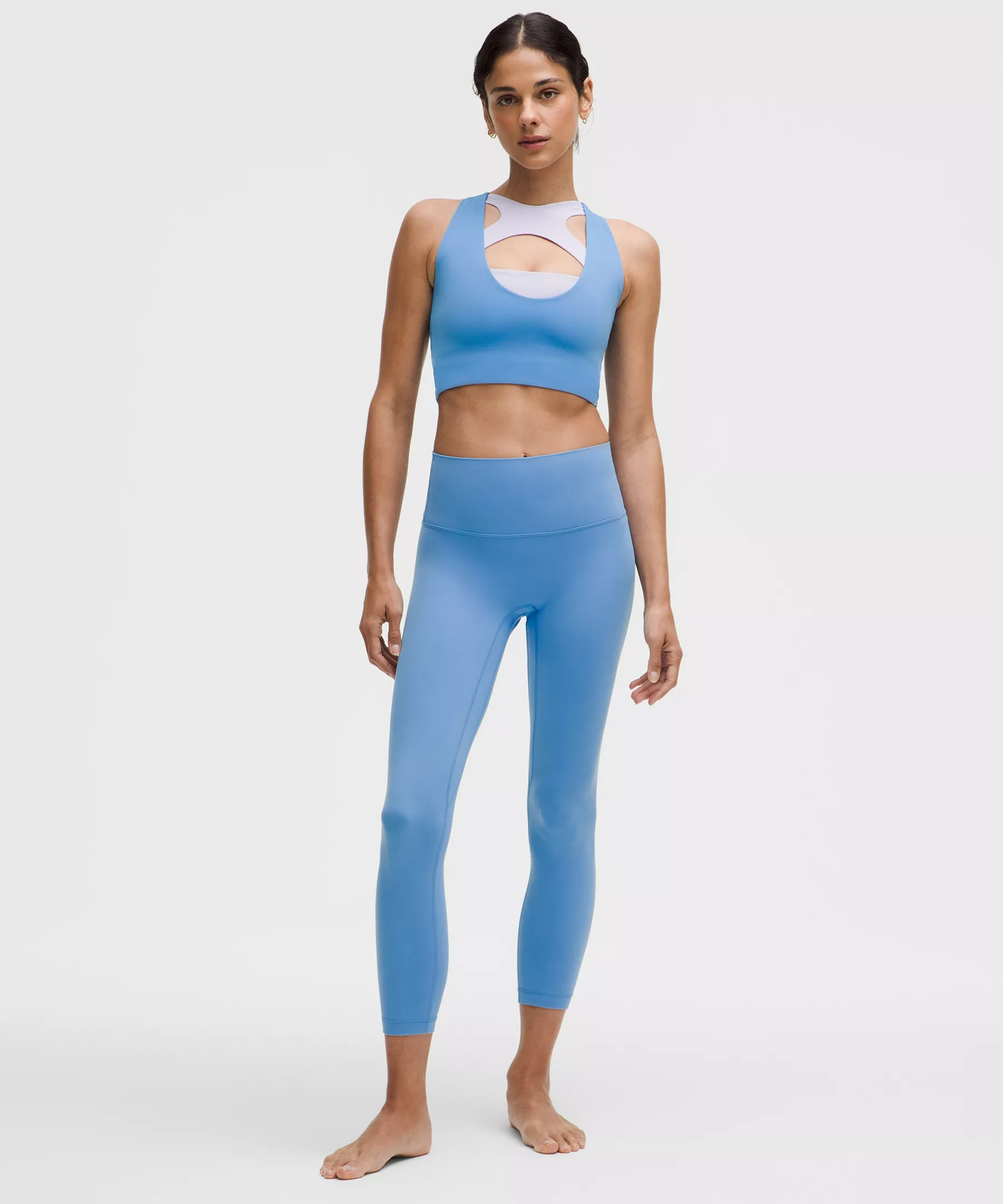
🧵 As someone familiar with these regions’ factories, I can confirm they’re known for high-end fabric knitting, laser cutting, and stitching precision — all key to Lululemon’s signature fit.
2. Why Lululemon Manufactures in Asia
Lululemon’s shift to Asia isn’t about cutting corners — it’s about accessing specialized production expertise.
- Advanced textile mills in Taiwan, China, and Vietnam supply premium technical fabrics.
- Lower labor costs help balance global pricing while maintaining margin.
- Proximity to material sources allows faster lead times and innovation cycles.
💬 Many of the same factories that produce for Lululemon also work with top-tier OEM/ODM partners — including suppliers we’ve collaborated with at FuKi Gymwear.
3. Countries Involved in Lululemon’s Supply Chain
Lululemon divides its manufacturing network by function:
| Country | Strength | Key Products |
|---|---|---|
| Vietnam | High-precision garment assembly | Align leggings, Wunder Under |
| China | Fabric innovation & bonding technology | Fast-drying tops, yoga wear |
| Sri Lanka | Seamless garment expertise | Sports bras, underwear |
| Peru | Natural cotton sourcing | Soft lifestyle apparel |
🌍 Most “Made in Vietnam” Lululemon tags you see today reflect both quality and ethical production.
4. Fabric Sourcing and Material Innovation
Lululemon is known for its proprietary fabrics — designed for comfort, sweat management, and stretch.
| Fabric | Key Features | Common Use |
|---|---|---|
| Nulu™ | Buttery-soft, lightweight, 4-way stretch | Align leggings |
| Luxtreme™ | Sweat-wicking, compression fit | Fast and Free collection |
| Everlux™ | Quick-drying, cooling | Hot yoga apparel |
| Warpstreme™ | Wrinkle-resistant, technical polyester | ABC pants |
🧠 Most of these fabrics are produced in specialized mills across Taiwan and mainland China — known for consistent yarn engineering.
5. Lululemon’s Quality Control Process
Lululemon’s QC process is one of the most rigorous in the industry:
- Every batch undergoes stretch recovery testing (20+ cycle tolerance).
- Colorfastness and pilling resistance are checked through wash simulations.
- Factories must pass BSCI and WRAP certifications for labor and safety standards.
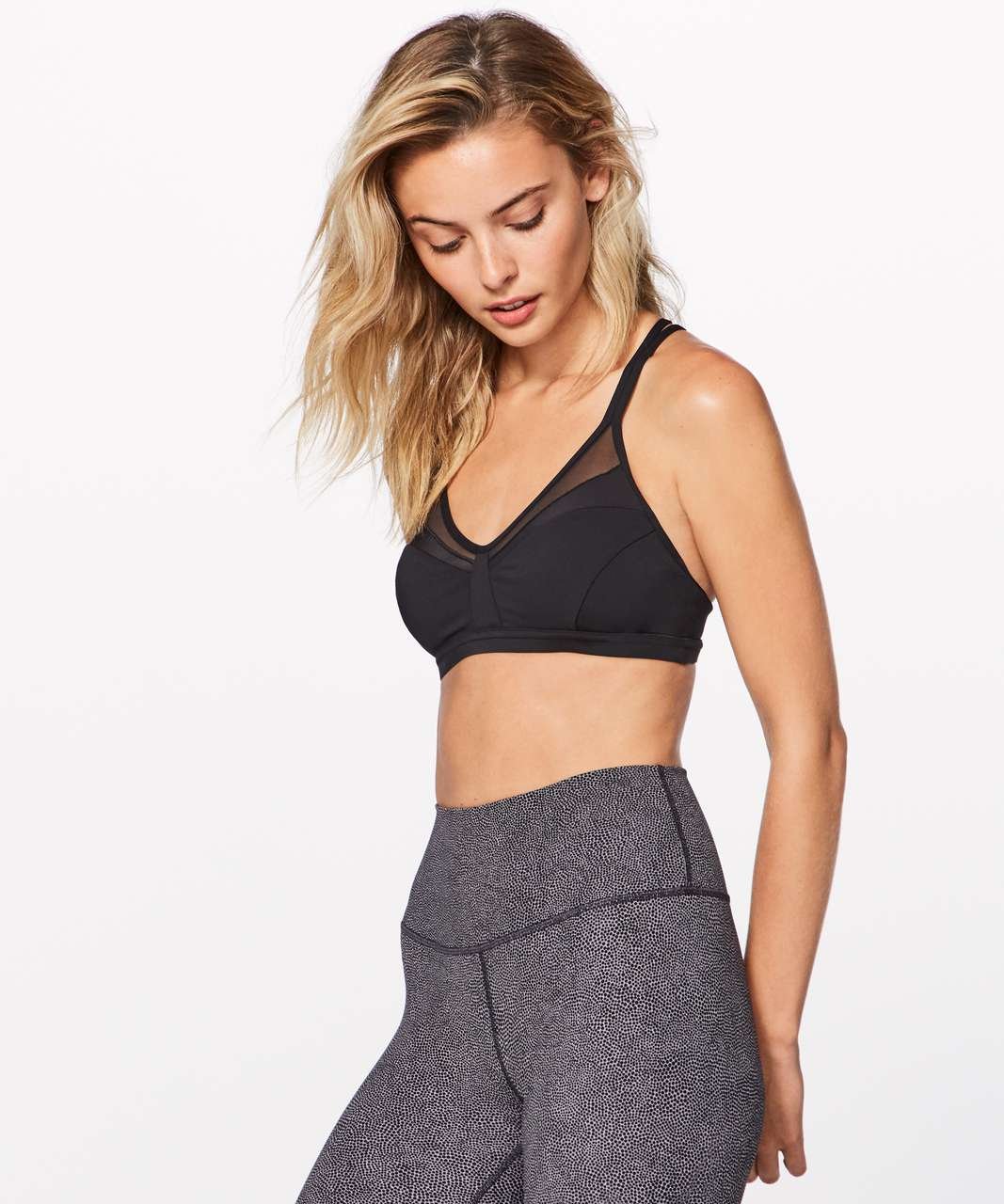
📈 This explains why even older Lululemon leggings retain shape and color for years.
6. Ethical Manufacturing and Sustainability Efforts
Lululemon’s “Impact Agenda” focuses on sustainable sourcing and fair labor:
| Focus Area | Initiative |
|---|---|
| Sustainability | 100% renewable energy in key facilities by 2030 |
| Recycled materials | Incorporating post-consumer polyester |
| Transparency | Annual supplier list publication |
| Worker welfare | Third-party factory audits |
♻️ While production remains largely in Asia, Lululemon’s sustainability standards are among the most advanced in the industry.
7. How Lululemon Compares to Other Activewear Brands
| Brand | Main Production Regions | Material Focus | Sustainability Rating |
|---|---|---|---|
| Lululemon | Vietnam, China, Sri Lanka | Nulu™, Luxtreme™ | ⭐⭐⭐⭐ |
| Nike | Vietnam, Indonesia, China | Dri-FIT™, Flyknit™ | ⭐⭐⭐ |
| Alo Yoga | China, Vietnam | Airlift™, Alosoft™ | ⭐⭐⭐⭐ |
| FuKi Gymwear | China | Nylon-Spandex, Recycled blends | ⭐⭐⭐⭐ |
💬 The takeaway? “Made in Asia” doesn’t mean low quality — it means advanced performance manufacturing.
8. FAQs
Q1. Are Lululemon clothes made in China?
Yes, a significant portion — especially fabric and sports bras — come from certified Chinese suppliers.
Q2. Does Lululemon make anything in Canada?
Only prototypes and small-scale R&D samples are made in Canada.
Q3. Are Lululemon factories ethical?
Yes, Lululemon audits its suppliers and requires BSCI/WRAP compliance.
Q4. Is Lululemon more sustainable than Nike?
Partially — Lululemon leads in recycled fabrics, while Nike leads in circular reuse programs.
9. About FuKi Gymwear – Your Trusted Activewear Manufacturer
At FuKiGymwear.com, we work with global fitness brands to produce premium-quality yoga wear and activewear, inspired by the same precision and care used in Lululemon’s supply chain.
Our Services Include:
- OEM & ODM production (Low MOQ 100 pcs)
- Performance fabrics: recycled nylon, spandex, Cool-Dry polyester
- Private labeling & logo customization
- Sampling in 7–10 days, bulk in 25–35 days
- Certified ethical factories: OEKO-TEX®, BSCI
💬 We help brands create sustainable, high-performance apparel — combining technical innovation with modern design.
👉 Looking to manufacture your own premium activewear line?
Visit FuKiGymwear.com and start building your brand today.
