
Ever wondered where your favorite pair of Lululemon leggings are actually made?
Most people assume everything comes from Canada — but in reality, Lululemon’s production is spread across several countries known for advanced textile and garment manufacturing.
As someone who’s worked with activewear OEM factories, I’ve had the chance to see how global supply chains operate — and how brands like Lululemon ensure top-tier quality while keeping sustainability in mind.
Let’s break down where Lululemon products are made, why they use multiple countries, and what other brands can learn from this model.
Table of Contents
- Quick Answer
- 1. Where Lululemon Manufactures Its Garments
- 2. Why Lululemon Produces in Multiple Countries
- 3. How Lululemon Maintains Quality Across Regions
- 4. Comparison: Lululemon vs Other Global Activewear Brands
- 5. What Emerging Brands Can Learn from Lululemon’s Model
- FAQs
- Partnering with FuKi Gymwear for Global OEM Solutions
Quick Answer
✅ Lululemon garments are manufactured in over 25 countries, primarily in Vietnam, China, Cambodia, Sri Lanka, and Bangladesh.
They also work with factories in Peru, Indonesia, and Taiwan for specialty fabrics and accessories.
💬 From my experience in OEM manufacturing, Lululemon’s global model allows for flexibility, material diversity, and strict quality control — all while balancing cost and sustainability.
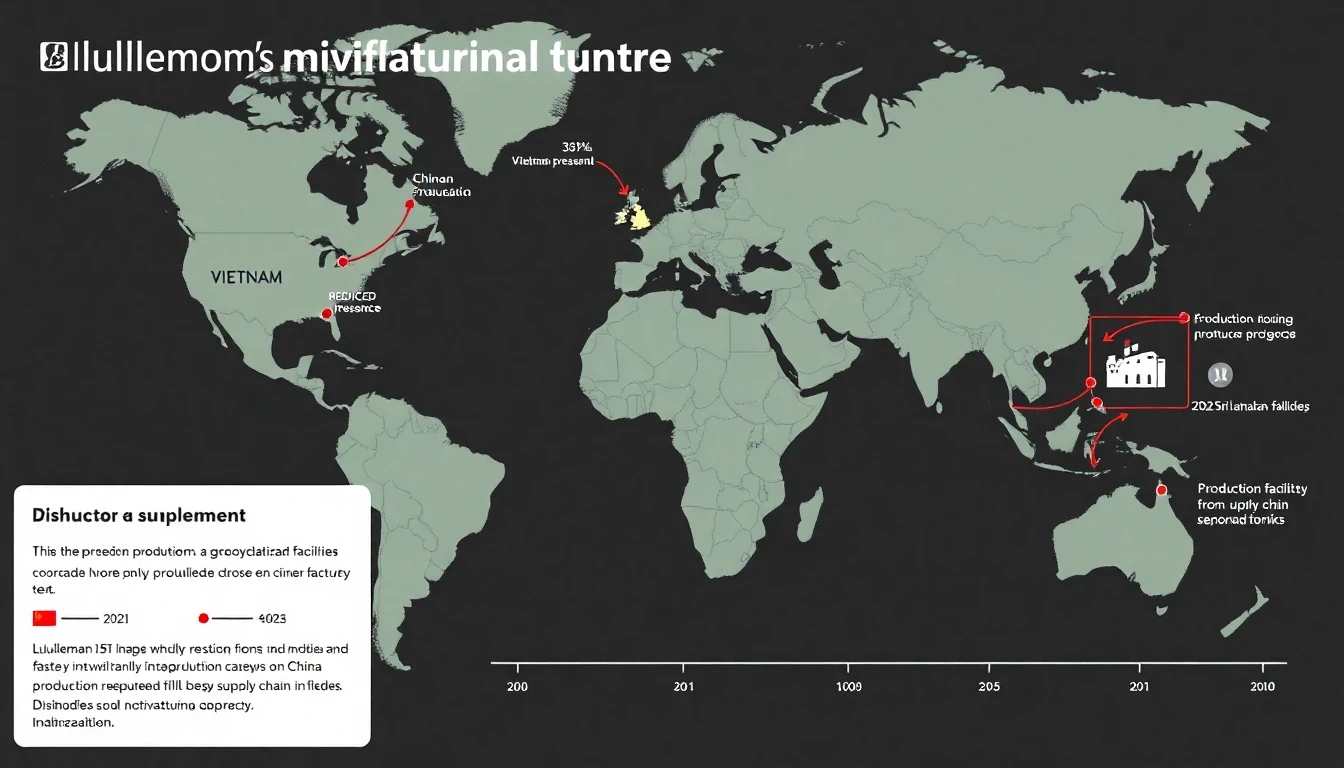
1. Where Lululemon Manufactures Its Garments
Although Lululemon is headquartered in Vancouver, production happens mainly in Asia — the world hub for performance textiles.
Here’s a simplified overview of their key manufacturing regions:
| Region | Main Production Countries | Core Products | Notes |
|---|---|---|---|
| Southeast Asia | Vietnam, Cambodia, Indonesia | Leggings, bras, outerwear | Largest share of production |
| East Asia | China, Taiwan | Fabric knitting, trims | High technical expertise |
| South Asia | Sri Lanka, Bangladesh | Sports bras, tops | Known for fine stitching |
| South America | Peru | Cotton-based loungewear | Smaller but growing |
| North America | USA, Canada | Design & prototypes | No large-scale production |
💬 I’ve worked with factories in both Vietnam and China that supply similar high-end fabrics to Lululemon’s suppliers — including brushed nylon and double-knit spandex.
2. Why Lululemon Produces in Multiple Countries
Lululemon uses a distributed supply chain for three main reasons:
- 🌍 Diversification — Reduces dependence on one country and spreads logistical risks.
- 🧵 Specialization — Each region focuses on specific product categories (e.g., seamless leggings in Vietnam).
- ⚙️ Efficiency — Allows faster restocking and shorter delivery times for global markets.
- ♻️ Sustainability goals — Enables collaboration with factories using recycled materials or renewable energy.
💬 This “multi-country model” is now common among top activewear brands — and something FuKi Gymwear also offers through trusted OEM partners across Asia.
3. How Lululemon Maintains Quality Across Regions
To ensure global consistency, Lululemon relies on strict manufacturing systems and third-party certifications.
| Quality Standard | What It Ensures | Example |
|---|---|---|
| Lululemon Vendor Code of Ethics | Fair labor, safe conditions | Audited annually |
| Fabric Testing Labs | Stretch recovery, pilling resistance | Canada & Taiwan |
| On-site Inspectors | Fit and color accuracy | Local QA teams |
| Sustainability Audits | Waste management & dye compliance | Independent reports |
💬 In my OEM work, we follow similar processes — pre-production sampling, color testing, and material verification — just like large brands.
4. Comparison: Lululemon vs Other Global Activewear Brands
| Brand | Manufacturing Countries | Core Focus | Factory Ownership | Transparency |
|---|---|---|---|---|
| Lululemon | Vietnam, China, Sri Lanka | Technical yoga & athleisure | Independent partners | High |
| Nike | Vietnam, Indonesia, Thailand | Performance gear | Outsourced network | High |
| Alo Yoga | USA, Vietnam | Luxury athleisure | Partial own facilities | Medium |
| Gymshark | China, Bangladesh | Mass activewear | Contract factories | Medium |
| FuKi Gymwear OEM | China, Vietnam | Custom OEM & private label | Direct partnerships | Flexible |
💬 Insight: Lululemon’s advantage is consistency — it partners with the same high-standard suppliers long-term, instead of switching based on price.
5. What Emerging Brands Can Learn from Lululemon’s Model
✅ 1. Build supplier relationships: Don’t just buy — collaborate long-term for better results.
✅ 2. Choose specialization over scale: Work with factories that understand your product type.
✅ 3. Standardize your QC process: Every shipment should meet measurable standards.
✅ 4. Stay transparent: Consumers now value brands that share where and how products are made.
✅ 5. Consider sustainability early: Eco production is no longer optional.
💬 At FuKi Gymwear, we help startup brands find the right OEM partners and maintain the same reliability as top-tier labels.
FAQs
Q1: Does Lululemon own its factories?
No. Like most brands, Lululemon partners with independent manufacturers under strict ethical and quality standards.
Q2: Which country produces most Lululemon products?
Vietnam and China currently lead production volumes for leggings and sports bras.
Q3: Is Lululemon made in Canada?
Only prototypes and limited designs are made in Canada — mass production happens overseas.
Q4: Can smaller brands manufacture at this level of quality?
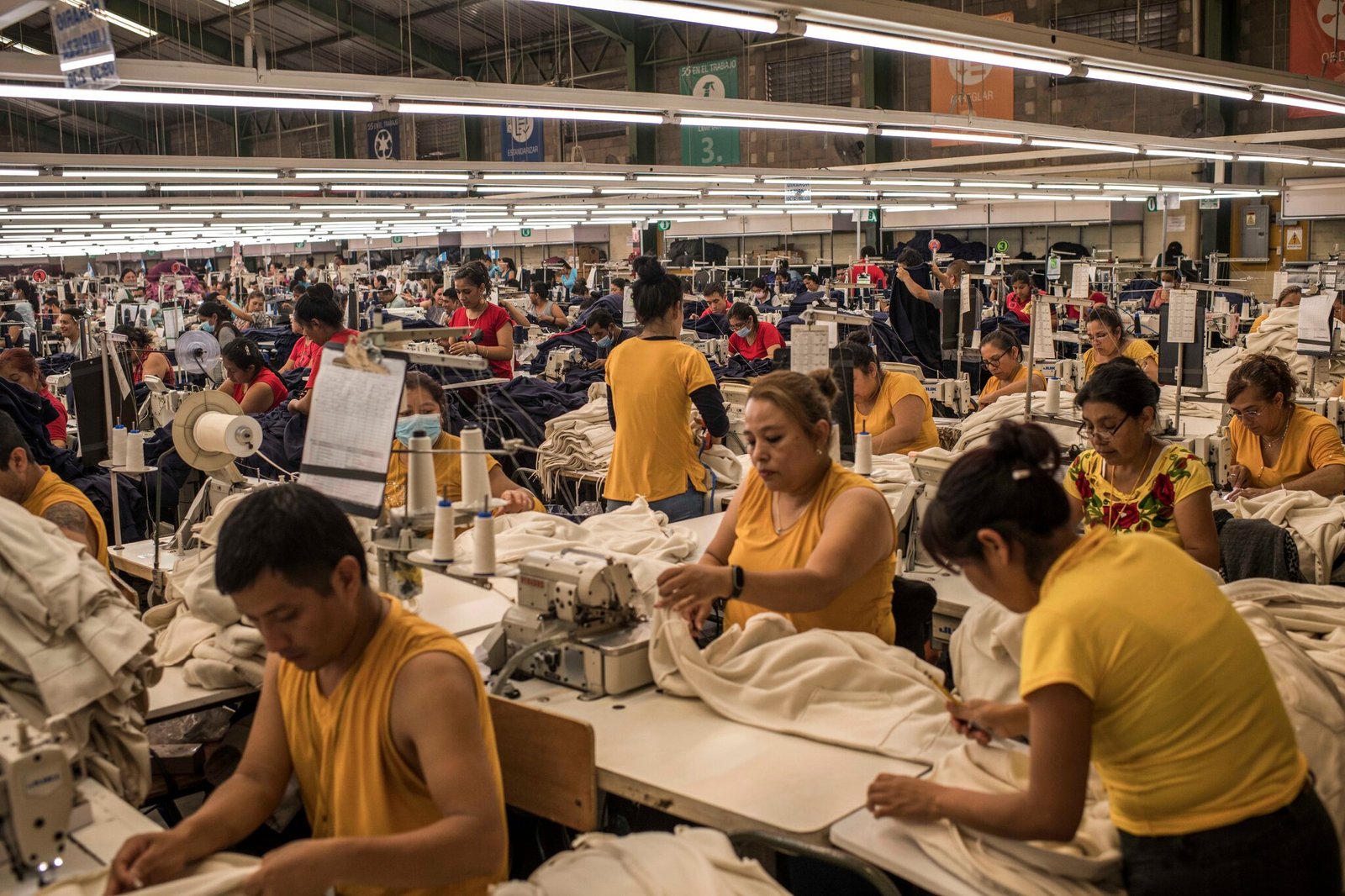
Yes — OEM partners like FuKi Gymwear use similar machines and fabrics as large global factories.
Partnering with FuKi Gymwear for Global OEM Solutions
If you’re inspired by how Lululemon manages global production and want to build your own high-quality activewear brand,
👉 FuKi Gymwear can help you every step of the way.
Why choose us:
- 🌍 Factories in China and Vietnam with proven sportswear expertise.
- 🧵 Low-MOQ OEM & ODM services for new and growing brands.
- ♻️ Eco-certified production using RPET, nylon, and bamboo blends.
- 🚀 Design-to-delivery support — patterns, sampling, bulk, and shipping.
💬 Lululemon built global consistency through strong partnerships — your brand can too, with the right OEM foundation.

