
As someone running an activewear business at FuKi Gymwear, I often hear people ask:
“When did Lululemon get popular?”
The short answer: Lululemon became widely popular in the mid-2000s, when yoga shifted from a niche practice to a mainstream lifestyle and the brand positioned itself as the premium choice for stylish, technical yoga wear.
Below, I’ll share the key moments behind Lululemon’s rise and what new activewear brands can learn.
Table of Contents
- Early Beginnings of Lululemon
- The Turning Point: 2005–2010
- Key Factors Behind Its Growth
- Lululemon vs Other Activewear Brands
- Lessons for New Activewear Brands
- FuKi Gymwear – Your Custom Partner
- FAQ
- Conclusion
Early Beginnings of Lululemon
Lululemon was founded in 1998 in Vancouver, Canada by Chip Wilson.
It started as a small yoga studio that doubled as a design space, focusing on high-quality yoga pants and tops.
At first, the brand catered mainly to serious yoga practitioners, but its attention to technical fabrics and fit set the stage for bigger growth.
👉 Learn more on Lululemon Official.
The Turning Point: 2005–2010
Lululemon’s major popularity surge began around 2005 when:
- Yoga became a mainstream wellness trend across North America and Europe.
- The company opened more stores beyond Canada, especially in the United States.
- Signature products like the Align Pant and Scuba Hoodie gained cult followings.
By its 2010 IPO, Lululemon was recognized worldwide as a premium athleisure brand, not just a yoga label.
Key Factors Behind Its Growth
1. Premium Fabrics and Fit
Proprietary fabrics like Luon and Nulu delivered stretch, durability, and comfort, turning yoga pants into everyday fashion.
2. Community-Based Marketing
Free in-store yoga classes and ambassador programs built a loyal, engaged community instead of relying on traditional advertising.
3. The Athleisure Boom
As yoga pants became daily wear, Lululemon capitalized on the athleisure movement, appealing to both fitness lovers and fashion-conscious consumers.
4. Strong Retail Experience
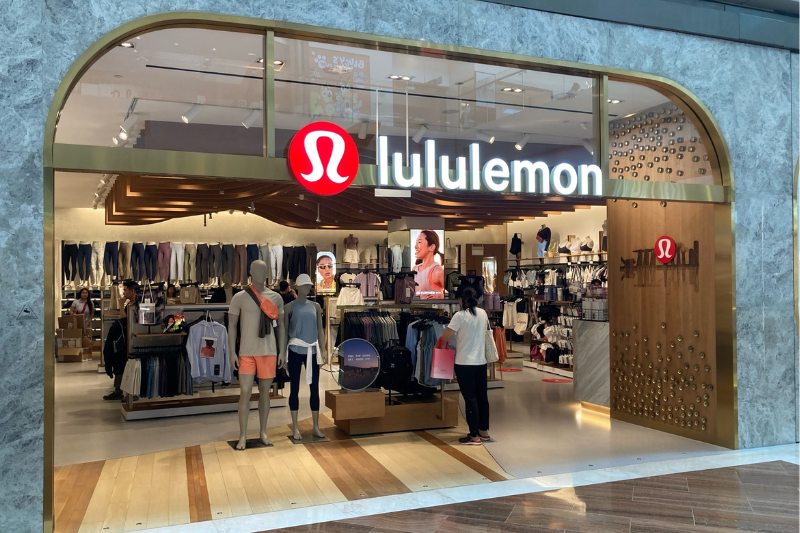
Lululemon stores felt like wellness spaces, with knowledgeable staff called educators rather than salespeople.
Lululemon vs Other Activewear Brands
| Feature | Lululemon | Athleta | Alo Yoga |
|---|---|---|---|
| Founded | 1998, Vancouver | 1998, California (Gap Inc.) | 2007, Los Angeles |
| Price Range | $80 – $150 | $40 – $100 | $90 – $130 |
| Core Strength | Technical yoga & innovation | Eco-friendly & inclusive sizing | Streetwear + yoga lifestyle |
| Community Focus | Ambassador-led events | B Corp, sustainability | Celebrity & influencer power |
👉 Related read: Which Is Cheaper, Lululemon or Athleta?

Lessons for New Activewear Brands
From my perspective at FuKi Gymwear, Lululemon’s journey shows:
- Product quality drives loyalty: Invest in innovative, performance fabrics.
- Community matters: Build real connections via events and brand ambassadors.
- Lifestyle storytelling sells: Sell not just apparel but a way of living.
- Timing counts: Lululemon rode the wave of the global yoga and athleisure boom.
These lessons are vital for any startup hoping to stand out in a competitive activewear market.
FuKi Gymwear – Your Custom Partner
At FuKi Gymwear, we help new and growing brands apply these lessons to their own collections:
- ✅ Low MOQ starting at 100 pcs per style.
- ✅ Eco-friendly and technical fabrics like bamboo, recycled polyester, and performance compression blends.
- ✅ Full private-label service, from design to packaging.
With our support, you can build a community-driven, high-quality activewear brand just like Lululemon did—tailored to your own unique audience.
FAQ
Q1: When did Lululemon become popular?
👉 Around 2005–2010, when yoga went mainstream and Lululemon expanded globally.
Q2: What made Lululemon famous?
Its premium fabrics, fit, and strong community marketing.
Q3: Is Lululemon only for yoga?
No. It now covers running, training, and everyday athleisure wear.
Q4: How can new brands compete?
By focusing on fabric innovation, lifestyle marketing, and sustainable production with OEM partners like FuKi Gymwear.
Conclusion
So, when did Lululemon get popular?
✅ Mid-2000s, when the global yoga and athleisure trend aligned with Lululemon’s premium, community-driven brand strategy.
For new entrepreneurs, the key insight is that great fabrics, smart marketing, and a wellness-driven culture can transform a small brand into a global powerhouse.
At FuKi Gymwear, we help brands launch custom activewear lines with low MOQ, eco fabrics, and private-label customization to replicate similar success.
👉 Ready to create your own premium activewear brand? Contact FuKi Gymwear.

