
Table of Contents
- Quick Answer
- 1. What Beginners Actually Need from a HOKA Shoe
- 2. The Best HOKA Shoes for Beginners (By Use Case)
- 3. Why These Models Work Better for First-Time Users
- 4. What Beginners Should Avoid When Choosing HOKA
- 5. Quick Comparison Table
- FAQs
- What Brands Can Learn from HOKA’s Beginner-Friendly Design
Quick Answer
For most beginners, the best HOKA shoe is one that balances cushioning, stability, and an easy transition — not the most extreme or specialized model.
From my experience working with performance footwear positioning, beginner wear-testing, and comfort-focused product design, beginners do best with stable, neutral HOKA models rather than highly rockered or ultra-soft shoes.
1. What Beginners Actually Need from a HOKA Shoe
If you’re new to HOKA, your priorities should be simple:
- cushioning that reduces impact
- stability that feels predictable
- a smooth heel-to-toe transition
- comfort that works from day one
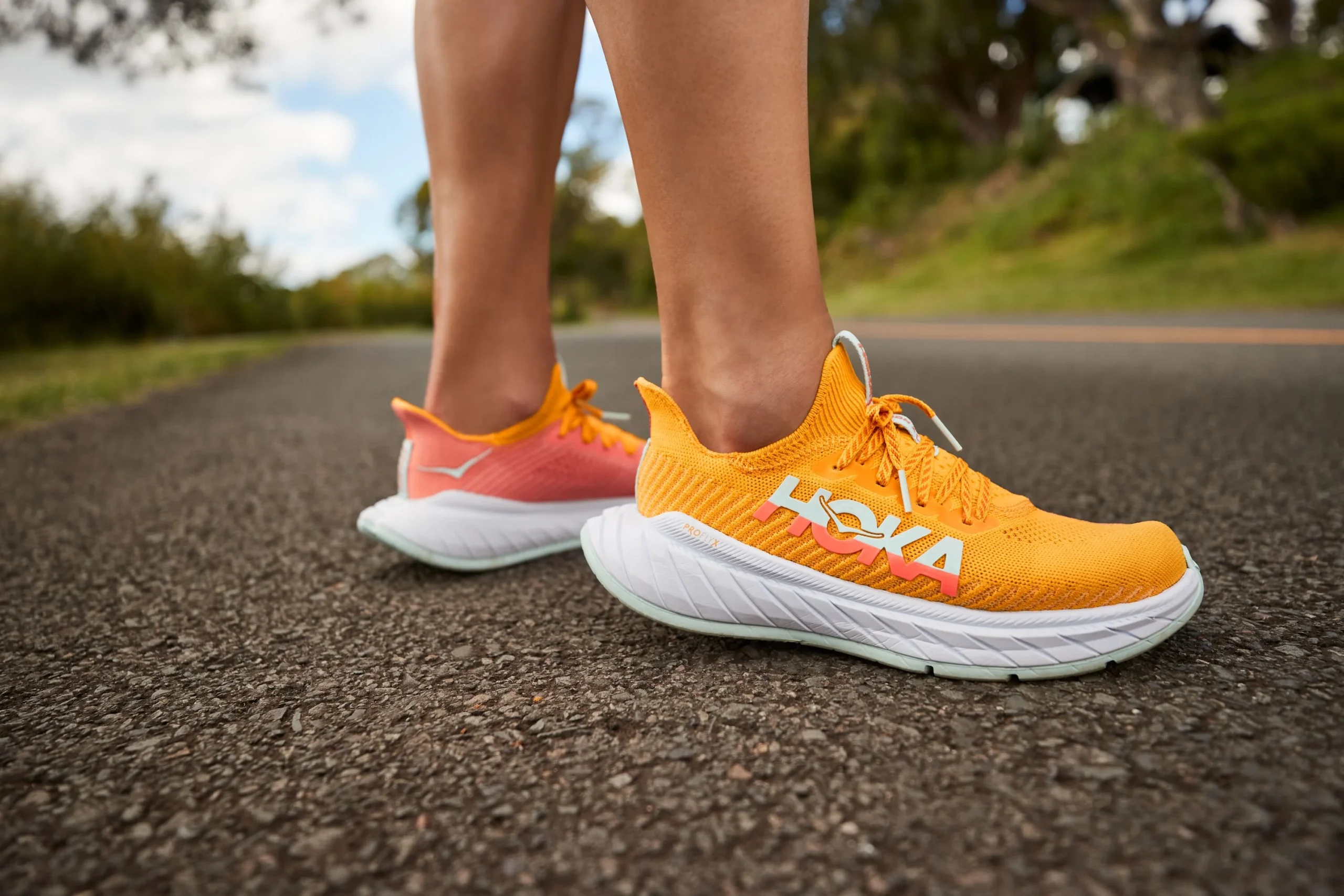
Official brand reference:
hoka
Key insight:
Beginners need confidence and comfort, not maximum technology.
2. The Best HOKA Shoes for Beginners (By Use Case)
Best Overall Beginner Pick
HOKA Clifton
Why it works:
- balanced cushioning (not too soft, not too firm)
- lightweight feel
- smooth rocker that’s easy to adapt to
- versatile for walking and running
Straight answer:
If you don’t know where to start, start here.
Best for Walking & All-Day Comfort
HOKA Bondi
Why it works:
- maximum cushioning
- very forgiving ride
- excellent shock absorption
- popular for long walks and standing jobs
Best if you:
- walk more than you run
- have joint sensitivity
- want plush comfort
Best for Extra Stability
HOKA Arahi
Why it works:
- added stability without feeling rigid
- controlled motion
- smoother than traditional stability shoes

Best if you:
- feel unstable in soft shoes
- want support without stiffness
3. Why These Models Work Better for First-Time Users
These beginner-friendly HOKA models share key traits:
- predictable cushioning response
- wider, more stable platforms
- moderate rocker geometry
- easier adaptation period
My honest take:
Beginners struggle most with too much change — these models minimize that.
4. What Beginners Should Avoid When Choosing HOKA
If you’re new to HOKA, be cautious with:
- very aggressive rocker soles
- ultra-soft, unstable cushioning
- narrow racing models
- shoes designed only for speed
These can cause:
- foot fatigue
- balance discomfort
- calf or arch soreness
Reality check:
More cushioning and tech doesn’t always mean more comfort for beginners.
5. Quick Comparison Table
| Model | Best For | Beginner-Friendly Level |
|---|---|---|
| Clifton | Walking + running | ⭐⭐⭐⭐⭐ |
| Bondi | Walking / standing | ⭐⭐⭐⭐ |
| Arahi | Stability needs | ⭐⭐⭐⭐ |
| Mach | Speed-focused | ⭐⭐ |
| Rocket X | Racing | ⭐ |
Key takeaway:
Start neutral and stable — specialize later.
FAQs
Q1: Are HOKA shoes good for beginners?
Yes. Many models are designed for comfort and impact reduction.
Q2: Should beginners choose max cushioning?
Not always. Balanced cushioning is often easier to adapt to.
Q3: Are HOKA shoes good for walking beginners?
Yes — especially models like Bondi and Clifton.
Q4: How long does it take to get used to HOKA shoes?
Most beginners adapt within 1–2 weeks.
What Brands Can Learn from HOKA’s Beginner-Friendly Design
HOKA succeeds with beginners because it reduces fear and friction in the first experience.
At fukigymwear,
we apply the same principle to activewear: designing products that feel right immediately, not just impressive on paper.
What We Support
- beginner-focused product strategy
- comfort-first design logic
- long-wear and adaptation testing
- stability vs cushioning balance
- low-MOQ OEM / ODM manufacturing
- private-label activewear development
For beginners, the best shoe isn’t the most advanced —
it’s the one that makes movement feel easy and safe.

