
Custom sports bras are one of the most technically demanding products in activewear.
From my experience working with fitness brands, the difference between a best-selling sports bra and a failed product often comes down to small details in fabric, structure, and fit.
This guide explains what brands should focus on when developing custom sports bras—and how to avoid costly mistakes.
Table of Contents
- Quick Answer
- Why Sports Bras Are Technically Complex
- Key Factors to Evaluate in Custom Sports Bras
- Fabric Requirements for Sports Bras
- Support Levels & Design Structure
- Fit & Pattern Development
- Stitching & Construction Details
- Testing & Quality Control
- Common Mistakes Brands Make
- Specification Checklist (For RFQ)
- How Fuki Gymwear Delivers Consistent Quality
- FAQ
- Conclusion
Quick Answer
When sourcing custom sports bras, focus on:
- fabric performance
- support level
- fit accuracy
- construction quality
A high-quality sports bra should provide:
- stable support
- comfort during movement
- long-term durability
At Fuki Gymwear, we treat sports bras as technical products—not simple garments.
Why Sports Bras Are Technically Complex
Sports bras combine multiple performance requirements:
- stretch + compression
- support + comfort
- structure + flexibility
Unlike leggings or T-shirts, sports bras must:
- control movement
- maintain shape under stress
- fit multiple body types
Common risks:
- poor support
- discomfort
- sizing issues
- high return rates
👉 This is why choosing the right manufacturer is critical.
👉 Related reading:
How Gym Wear Quality Affects Workout Performance
Key Factors to Evaluate in Custom Sports Bras
When developing a sports bra, brands should evaluate:
- fabric quality
- support level (low / medium / high)
- strap and band construction
- fit consistency
- durability after washing
- logo compatibility
👉 These factors directly impact product performance and customer satisfaction.
Fabric Requirements for Sports Bras
Fabric is the foundation of support and comfort.
Key Fabric Properties:
- strong stretch and recovery
- moisture-wicking capability
- breathable structure
- soft hand feel
- high opacity
Common Fabric Options:
- Nylon + Spandex → premium softness and support
- Polyester + Spandex → durable and cost-effective
- Interlock Fabrics → better structure and coverage
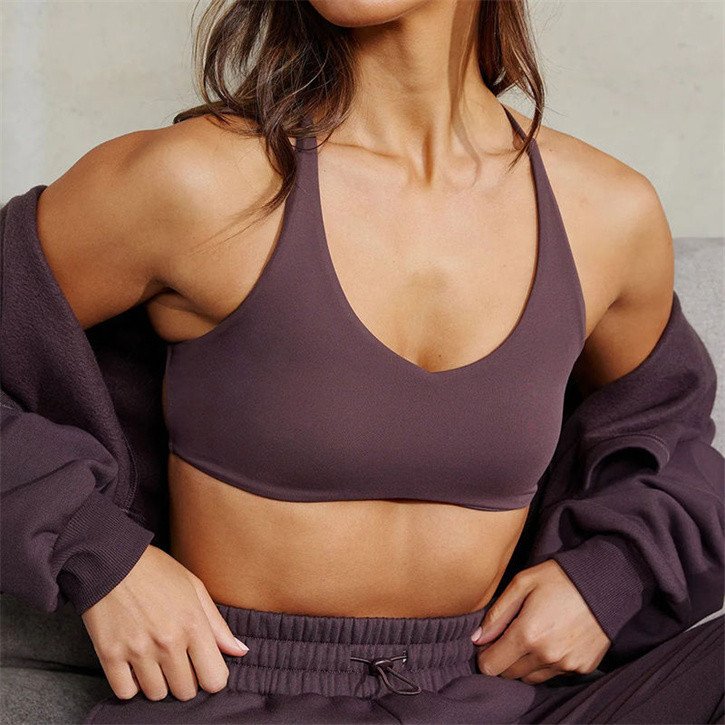
👉 Fabric must match the intended support level.
👉 External benchmark:
Nike and Lululemon invest heavily in sports bra fabric innovation.
Support Levels & Design Structure
Different activities require different support levels.
Low Support
- yoga / stretching
- minimal compression
- simple structure
Medium Support
- gym workouts
- balanced compression
- elastic band + stable straps
High Support
- running / HIIT
- strong compression
- reinforced structure
- wider straps + stronger underband
Structural Elements:
- underband elasticity
- strap width & adjustability
- cup structure (pads / molded cups)
- panel design
👉 Structure determines both comfort and performance.
Fit & Pattern Development
Fit is one of the most critical factors.
A good pattern must:
- provide secure hold
- avoid pressure points
- maintain size consistency
- align with fabric stretch direction
Poor fit leads to:
- discomfort
- lack of support
- sizing complaints
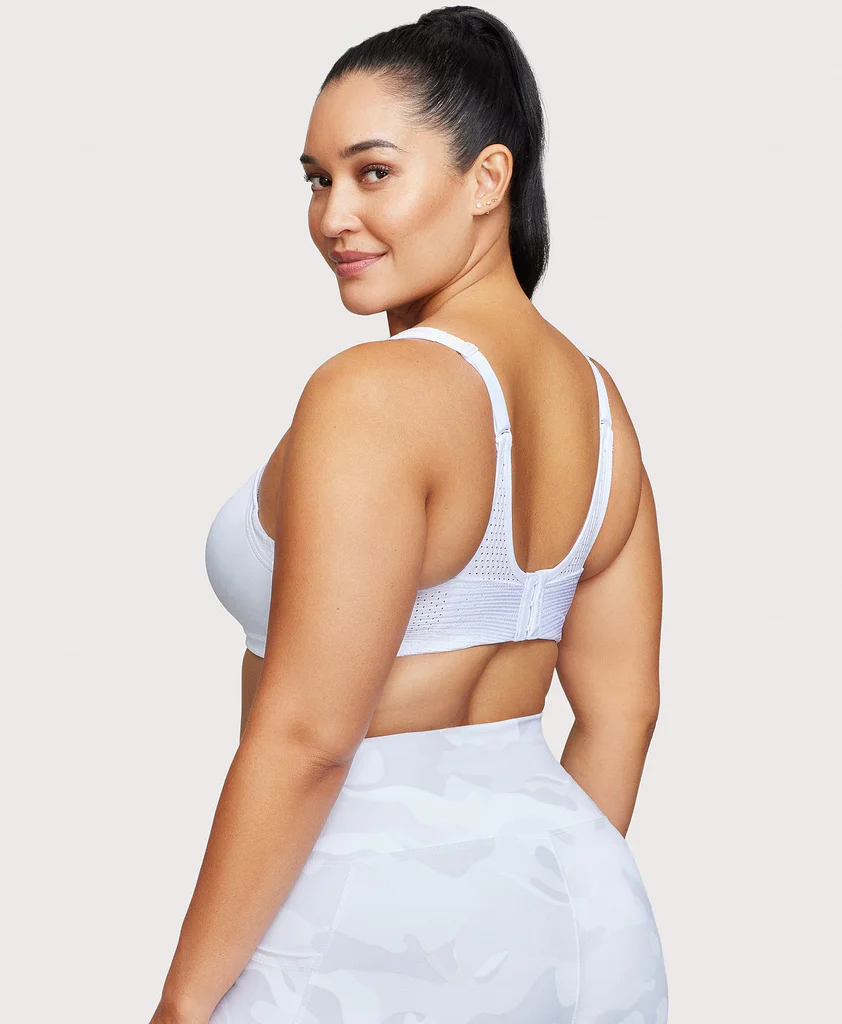
👉 Always test patterns with real wear trials.
Stitching & Construction Details
Construction directly affects durability and comfort.
Key Techniques:
- flatlock seams → reduce irritation
- reinforced stitching → increase durability
- elastic binding → maintain structure
Important Details:
- seam placement avoids friction zones
- thread tension allows stretch
- finishing must be clean
👉 Small construction details make a big difference.
Testing & Quality Control
Before bulk production, test for:
- stretch and recovery
- support performance
- wash durability
- seam strength
- fit under movement
👉 Testing ensures consistency from sample to production.
Common Mistakes Brands Make
Mistake 1: Ignoring Support Level
Different activities require different structures.
Mistake 2: Choosing Fabric Only by Feel
Soft ≠ supportive.
Mistake 3: Poor Strap Design
Leads to instability and discomfort.
Mistake 4: Skipping Fit Testing
Results in returns and complaints.
👉 Related reading:
What New Fitness Brands Need Before Manufacturing
Specification Checklist (For RFQ)
When contacting manufacturers, include:
- target support level
- fabric composition + GSM
- design sketches or tech pack
- size range
- logo method
- packaging requirements
👉 Clear specs reduce errors and save time.
How Fuki Gymwear Delivers Consistent Quality
At Fuki Gymwear, we follow a structured process:
Our Approach:
- fabric selection based on support level
- professional pattern development
- multiple fitting adjustments
- advanced stitching techniques
- strict QC system
What We Offer:
- low MOQ (100 pcs)
- sampling in 7–10 days
- bulk production in 25–35 days
- private label customization
- global shipping support
👉 We help brands create sports bras that perform in real conditions.
FAQ
Q1: What is the best fabric for sports bras?
Nylon + spandex is commonly used for premium sports bras.
Q2: How do I choose the right support level?
Depends on activity:
- low → yoga
- medium → gym
- high → running
Q3: Why do sports bras lose support over time?
Usually due to poor fabric recovery or weak construction.
Conclusion
Custom sports bras require precision in:
- fabric
- structure
- fit
- construction
Small production details can significantly impact:
- performance
- comfort
- customer satisfaction
👉 If you're developing custom sports bras,
working with an experienced manufacturer like Fuki Gymwear ensures reliable quality and long-term success.
