
Under Armour scaled from a small performance startup into a global sportswear brand — not because it had the largest factories, but because it built a resilient, performance-focused supply chain that supported rapid growth and consistent quality.
As someone working closely with OEM activewear manufacturers, I’m often asked:
“What can factories learn from Under Armour’s supply-chain approach — and how can we apply it today?”
This article breaks down those lessons in simple, beginner-friendly language.
Table of Contents
- Quick Answer
- 1. Performance Materials Require Specialized Supply Partners
- 2. Diversified Sourcing Reduces Operational Risk
- 3. Speed-to-Market Comes From Integrated Development
- 4. Testing and Compliance Protect Brand Reputation
- 5. What OEMs Should Prioritize Moving Forward
- FAQs
- Partnering With FuKi Gymwear
Quick Answer
Under Armour’s supply-chain success comes from specialization in performance materials, diversified sourcing, fast development cycles, and strict testing and compliance standards — all of which OEMs can adopt to become stronger partners.
💬 From my OEM experience:
Factories don’t win big accounts by being the cheapest — they win by being reliable, specialized, and development-focused.
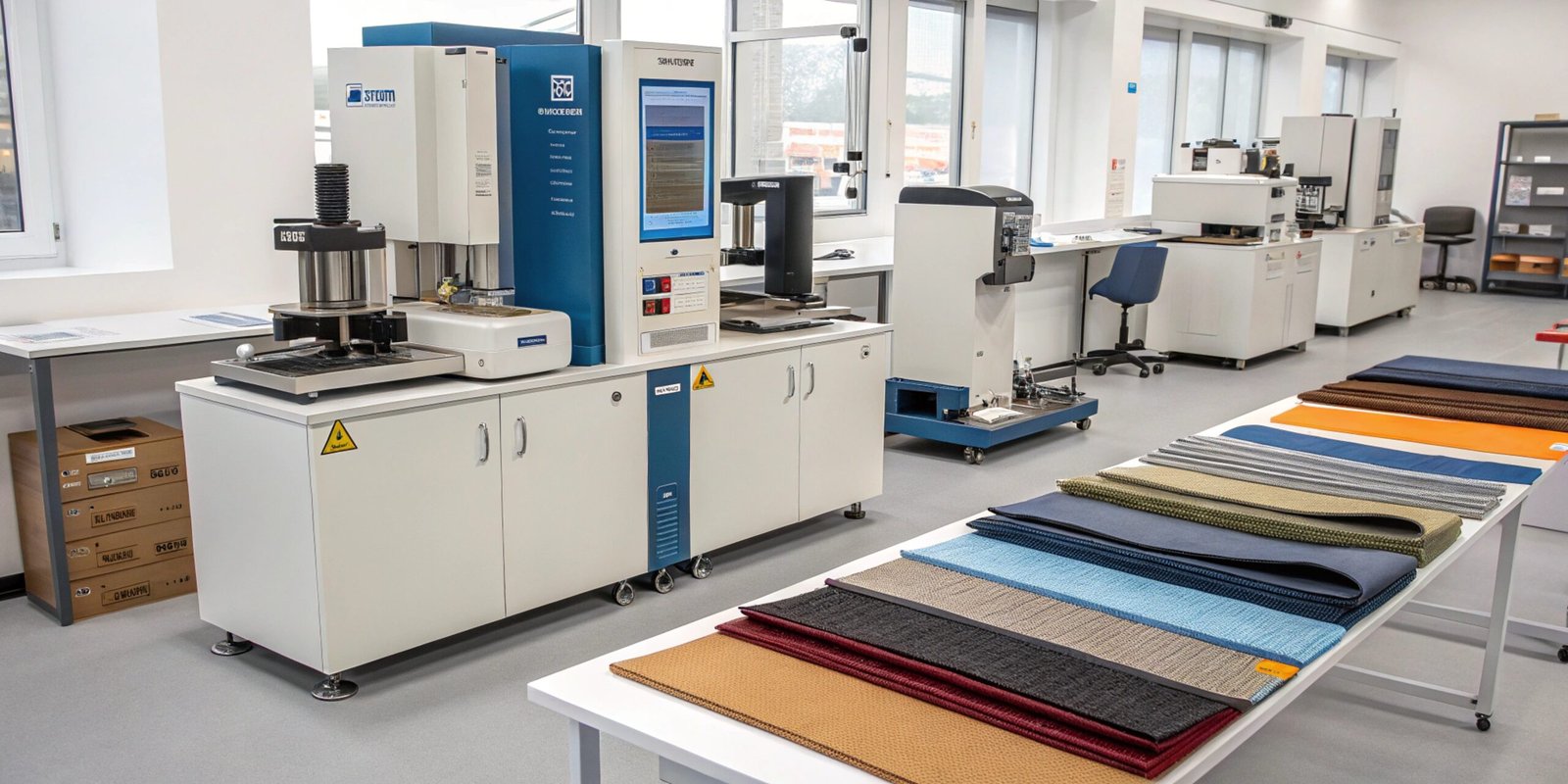
1. Performance Materials Require Specialized Supply Partners
Under Armour built its identity on high-function fabrics, not basic textiles.
Key material priorities:
- moisture-management
- quick-dry and cooling
- anti-odor technology
- high stretch and recovery
- abrasion resistance
Why OEMs should care
Performance products require:
- advanced yarn sourcing
- consistent chemical finishing
- specialized knitting machines
- tighter quality tolerances
OEM Insight
Factories that only offer “standard fabrics” struggle to compete.
Specialization is now a baseline, not a bonus.
2. Diversified Sourcing Reduces Operational Risk
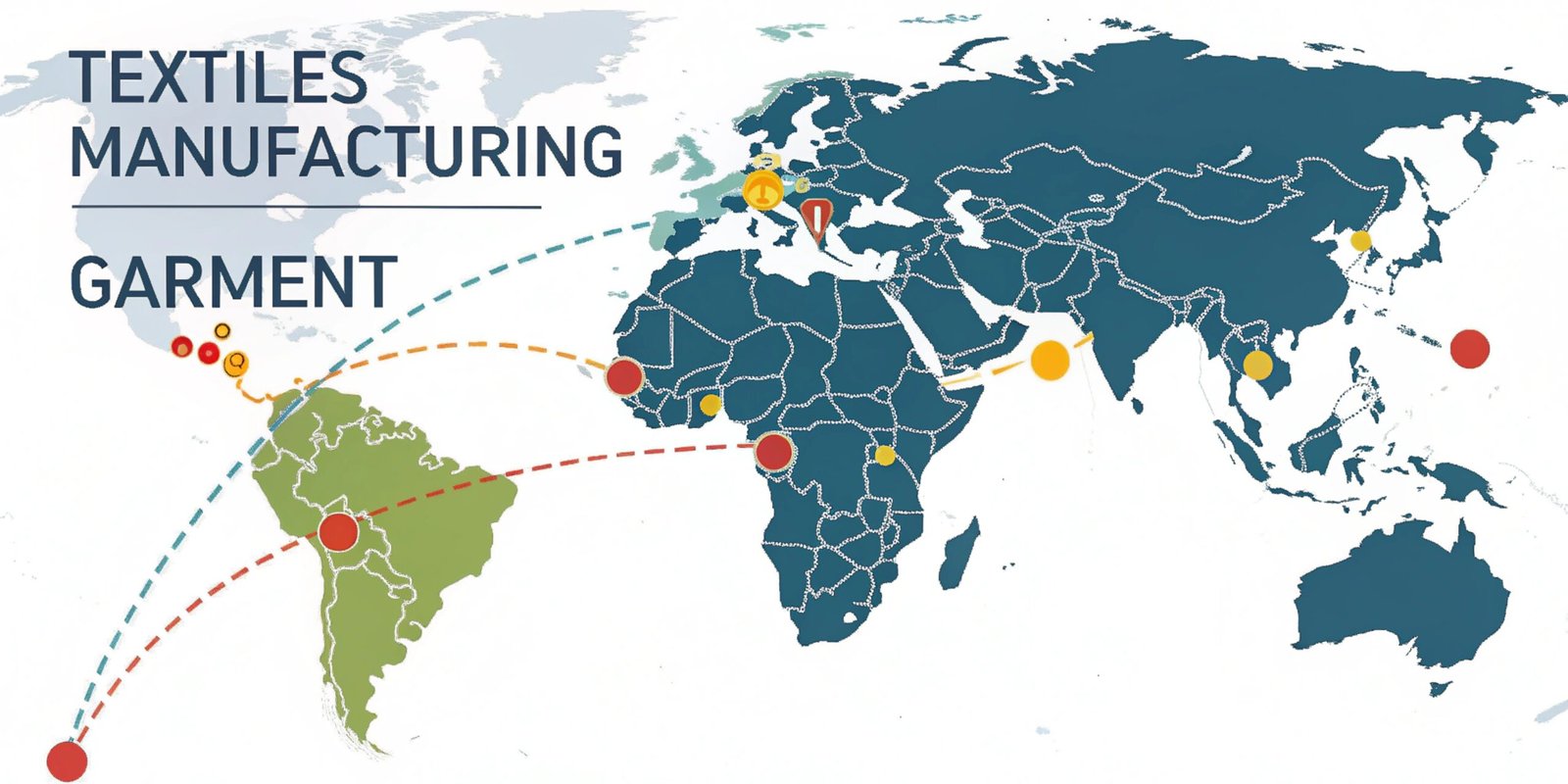
Under Armour avoids dependency on a single country or supplier.
Benefits of diversified sourcing:
- fewer production delays
- reduced geopolitical exposure
- easier capacity balancing
- stable lead times
- stronger negotiation leverage
Example comparison:
| Single-Source Factory | Diversified Model |
|---|---|
| Delays halt all orders | Production shifts seamlessly |
| Higher cost volatility | More stable pricing |
| Limited material access | Wider innovation options |
| Hard to scale | Flexible capacity ramp-up |
💬 OEM takeaway:
Being “one-location only” is now a liability — not a selling point.
3. Speed-to-Market Comes From Integrated Development
Under Armour grew fast by linking fabric development, sampling, and production instead of treating them as separate steps.
What integration looks like:
- fabric + garment sampling in parallel
- real-time feedback loops
- faster lab-dip approvals
- rapid prototype testing
- aligned communication between teams
Why this matters
Shorter development cycles lead to:
- faster launches
- reduced risk
- better trend timing
- lower waste from late changes
💬 OEM Perspective
Speed is not sewing faster —
speed is removing friction from development.
4-testing-and-compliance-protect-brand-reputation">4. Testing and Compliance Protect Brand Reputation
Performance brands live or die by consistency.
Critical testing categories:
- sweat and wash colorfastness
- stretch and recovery durability
- pilling resistance
- chemical compliance (RSL / REACH)
- seam and tensile strength
- odor-control performance
Why this matters
Poor testing results in:
- product recalls
- influencer backlash
- negative reviews
- long-term trust loss
OEM Insight
Testing is cheaper than failure —
and top brands will not work with suppliers who skip it.
5. What OEMs Should Prioritize Moving Forward
Here are actionable, realistic steps for factories:
✔ Lesson 1: Build category expertise
Focus on:
- compression
- seamless
- cooling nylon blends
- performance knit tops
Expertise attracts brands — not general capability.
✔ Lesson 2: Document capability professionally
Prepare:
- machine lists
- yarn types
- testing reports
- MOQ breakdowns
- lead-time charts
Professional presentation = instant credibility.
✔ Lesson 3: Adopt rapid development systems
Improve by:
- faster sample rounds
- digital approvals
- pre-tested fabric library
Speed reduces cost and increases trust.
✔ Lesson 4: Strengthen sourcing resilience
Add:
- alternative mills
- multiple yarn vendors
- backup production lines
Stability is now a selling point.
✔ Lesson 5: Treat brands as long-term partners
Communicate like this:
- “Here’s how we can improve performance”
- “We’ve pre-tested this fabric option”
- “We can scale when you’re ready”
Brands stay with suppliers who think ahead, not react late.
FAQs
Q1: Do OEMs need large capacity to work with performance brands?
No — specialization and consistency matter more than size.
Q2: Is offering low pricing enough to attract brands?
Not anymore. Reliability and development support are now priority factors.
Q3: Can smaller factories compete with large suppliers?
Absolutely — if they focus on niche expertise and testing capability.
Q4: What is the biggest supply-chain lesson from Under Armour?
Build resilience and specialization, not volume-based dependency.
Partnering With FuKi Gymwear
If you want to work with performance-driven activewear brands — the way Under Armour operates — specialization and reliability are essential.
👉 FuKi Gymwear supports brands with:
- High-stretch and cooling performance fabrics
- Seamless and compression capability
- Full testing support (pilling, recovery, opacity, durability)
- Low MOQ for new product launches
- Fast sampling for development-driven brands
💬 Strong supply-chain partnerships are built on capability — and we help brands scale with confidence.
🔍 SEO Metadata
SEO Title:
Supply-Chain Lessons Under Armour Offers OEMs
Meta Description:
Key supply-chain lessons Under Armour offers OEMs—from specialization to testing—and how factories can apply them with FuKi Gymwear.
Tags:
Under Armour supply chain, OEM manufacturing strategy, performance fabric sourcing, activewear production insights, FuKi Gymwear

