
To the untrained eye, a polyester t-shirt and a high-performance training top look identical. However, the moment an athlete begins a high-intensity session, the differences become glaring. "Regular sportswear" is designed for the look of fitness, while Performance Activewear is engineered for the utility of movement.
At Fuki Gymwear, we specialize in the technical side of apparel. Here is the breakdown of what actually separates elite performance gear from standard gym clothing.
Table of Contents
- The Fundamental Difference
- 1. Advanced Fabric Engineering
- 2. Specialized Construction: Seams and Stitching
- 3. Compression and Muscle Support
- 4. Thermal Regulation and Breathability
- 5. Durability and Fabric Memory
- Technical Comparison Table
- FAQ
- Conclusion
The Fundamental Difference
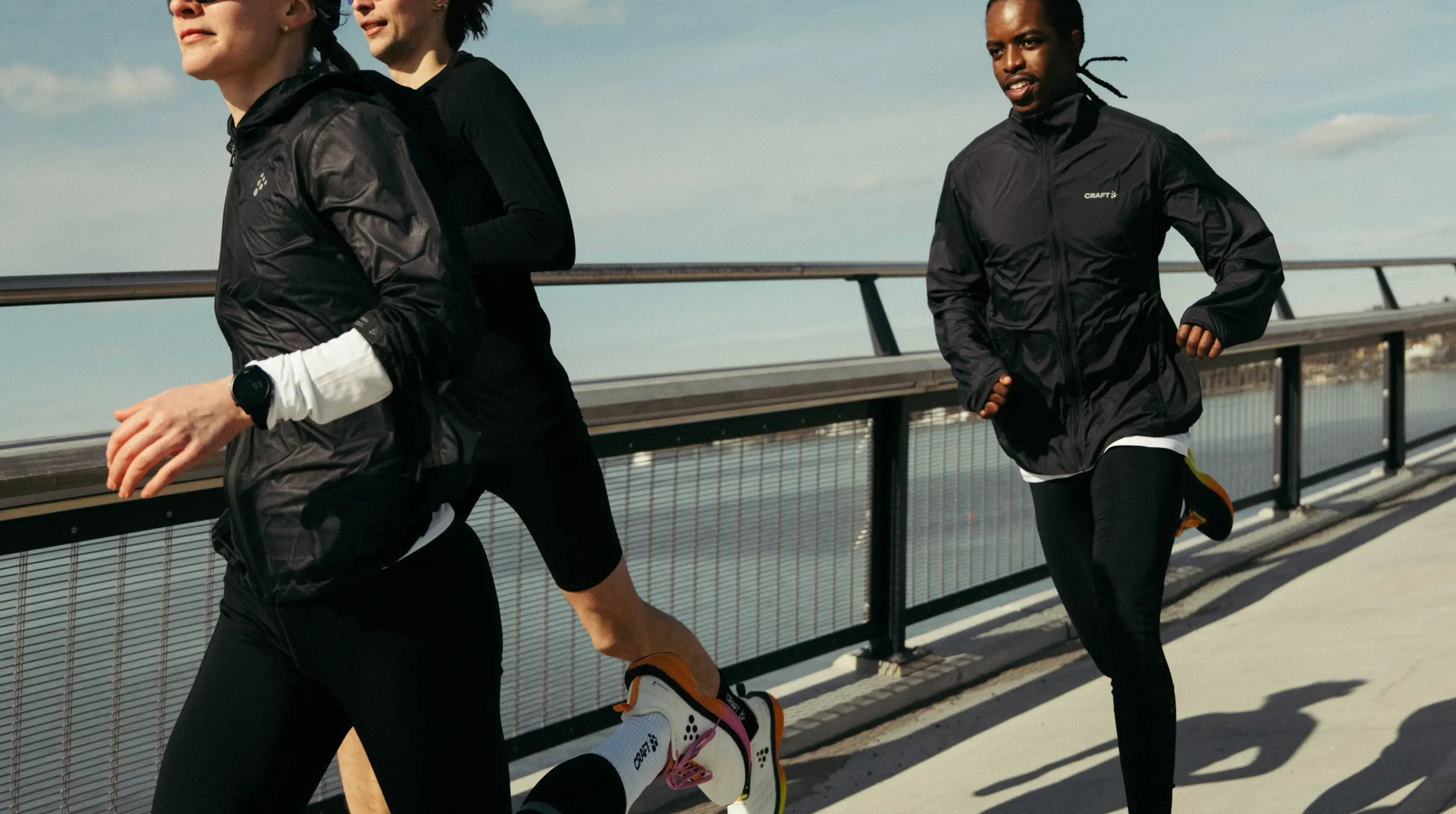
Regular sportswear focuses on aesthetics and basic comfort. It is often made from cotton blends or simple synthetic knits. Performance activewear, however, is a piece of equipment. It is designed to solve specific athletic problems: overheating, chafing, muscle fatigue, and moisture management.
1. Advanced Fabric Engineering
The primary differentiator is the yarn level.
- Moisture Management: Regular sportswear gets heavy and wet. Performance gear uses capillary action to pull sweat away from the skin to the fabric's surface, where it evaporates instantly.
- Silver Ion Technology: High-end gear often includes anti-microbial treatments to prevent odor-causing bacteria from settling in the fibers—something basic polyester cannot do.
2. Specialized Construction: Seams and Stitching
How a garment is put together determines if it will cause "chafing" during a 10km run.
- Flatlock Stitching: Performance gear uses 4-needle 6-thread flatlock seams that lie completely flat against the skin.
- Seamless Technology: Elite activewear often uses circular knitting to eliminate seams entirely in high-friction areas.
- Regular Sportswear: Usually uses standard overlock seams which are bulky and can irritate the skin during repetitive motion.
3. Compression and Muscle Support
Performance activewear often incorporates Zonal Compression.
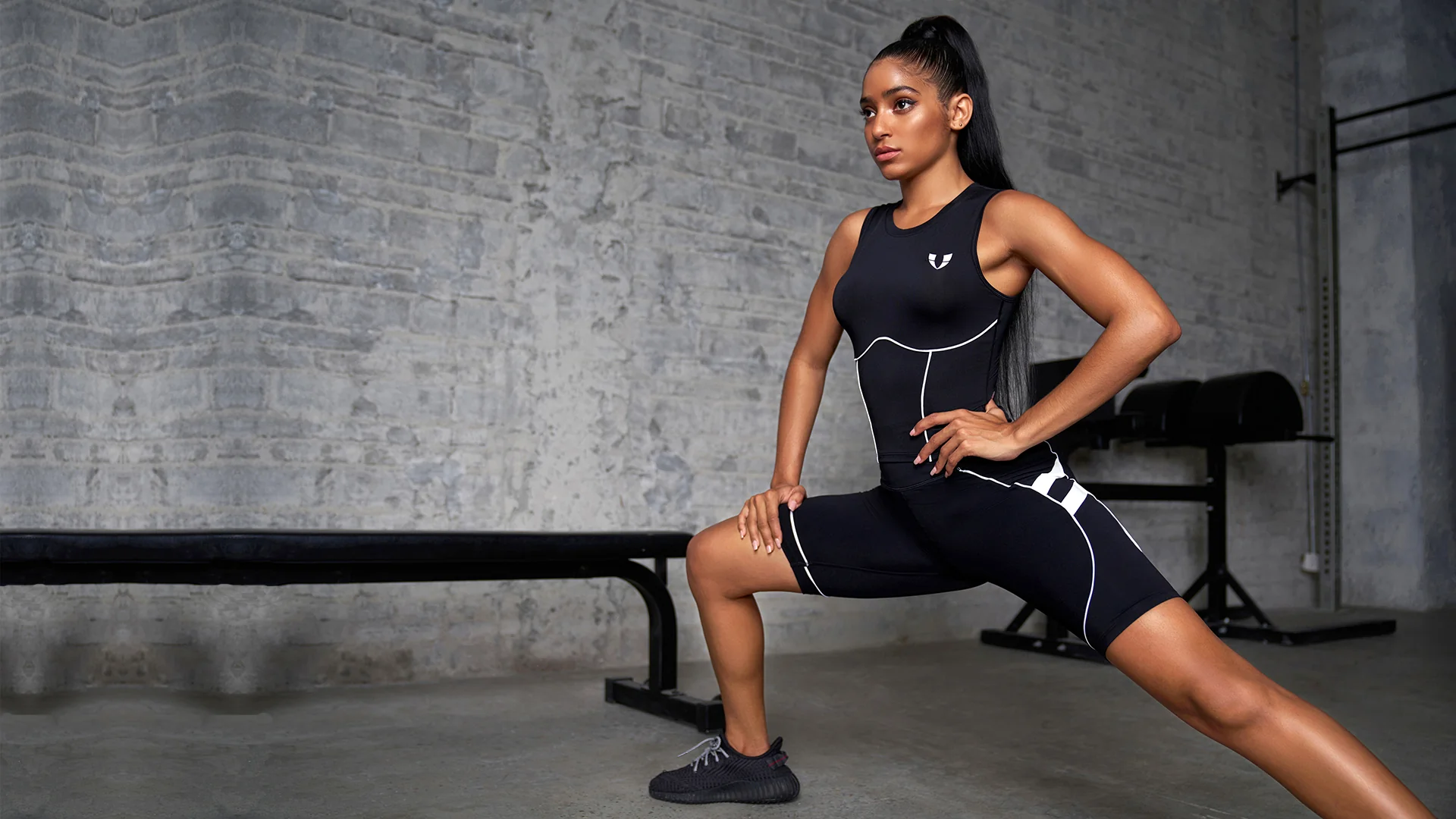
- Recovery and Power: Performance leggings and tops use high-elastane content (20%+) to support muscle oscillation, reducing fatigue and improving blood flow.
- Regular Sportswear: May feel "tight," but it lacks the structural tension required to actually support muscle groups during impact.
4. Thermal Regulation and Breathability
Standard sportswear traps heat. Performance gear manages it.
- Laser-Cut Ventilation: We use precision lasers to create breathable zones in high-heat areas (like the back and underarms).
- Cool-to-Touch Fibers: Specialized nylon blends can actually lower the skin's surface temperature during a workout.
5. Durability and Fabric Memory
Have you ever had leggings that go "baggy" at the knees? That is a lack of Fabric Memory.
- High-Gauge Knitting: Performance activewear is knitted with a higher density, ensuring the garment returns to its original shape even after hundreds of stretch cycles.
- Pilling Resistance: Technical fabrics are treated to resist the "fuzz" (pilling) that occurs when thighs rub together during exercise.
Technical Comparison Table
| Feature | Regular Sportswear | Performance Activewear (Fuki Grade) |
|---|---|---|
| Primary Material | Cotton or Basic Poly | Micro-Nylon / High-Elastane Blends |
| Seam Type | Overlock (Bulky) | Flatlock or Bonded (Zero-Chafe) |
| Moisture Control | Absorbs (Gets heavy) | Wicks (Stays light) |
| Fit Philosophy | General Fashion | Ergonomic / Body-Mapped |
| Longevity | Loses shape over time | High stretch-recovery (Memory) |
👉 Looking for Technical Fabric Sourcing? Contact Fuki Gymwear
FAQ
Why is performance activewear more expensive?
The cost comes from the technical yarns (like branded Lycra), specialized sewing machinery (Flatlock), and the R&D required to ensure the fit works during movement.
Can regular sportswear be used for the gym?
For low-intensity walking or light lifting, yes. For running, HIIT, or heavy sweating, regular sportswear will likely cause discomfort or skin irritation.
Does Fuki Gymwear help brands develop proprietary performance fabrics?
Yes. We work with mills to create custom blends that offer unique hand-feels and performance specs exclusive to your brand.
Conclusion
The shift from "sportswear" to "performance activewear" is what defines a professional fitness brand. By investing in technical fabrics, ergonomic construction, and true compression, you provide your customers with a tool that actually improves their workout experience.
At Fuki Gymwear, we are experts in the engineering that happens behind the seams. Let's build gear that performs as hard as your athletes do.
