
Gymshark went from a student side project to one of the most recognized fitness brands in the world — without using traditional advertising or huge budgets.
Instead, it relied on creator-led marketing, community identity, product storytelling, and smart digital tactics that most brands were too slow to adopt.
As someone working closely with activewear OEM brands, I’ve seen many founders ask:
“What exactly did Gymshark do differently — and how can we apply the same methods?”
This article breaks down Gymshark’s rapid-growth marketing strategy in simple, beginner-friendly language.
Table of Contents
- Quick Answer
- 1. Gymshark Built Its Brand Through Fitness Creators
- 2. Community Engagement Over Traditional Advertising
- 3. Story-Driven Content Instead of Product-Only Marketing
- 4. Social-First Product Launches and Limited Drops
- 5. What New Activewear Brands Can Learn
- FAQs
- Partnering With FuKi Gymwear
Quick Answer
Gymshark grew fast by focusing on micro-influencers, building a tight-knit fitness community, using story-based digital content, and creating high-engagement product drops instead of traditional ads.
💬 From my OEM experience:
The brands that grow the fastest today are community-led, creator-supported, and product-proven — exactly what Gymshark mastered.
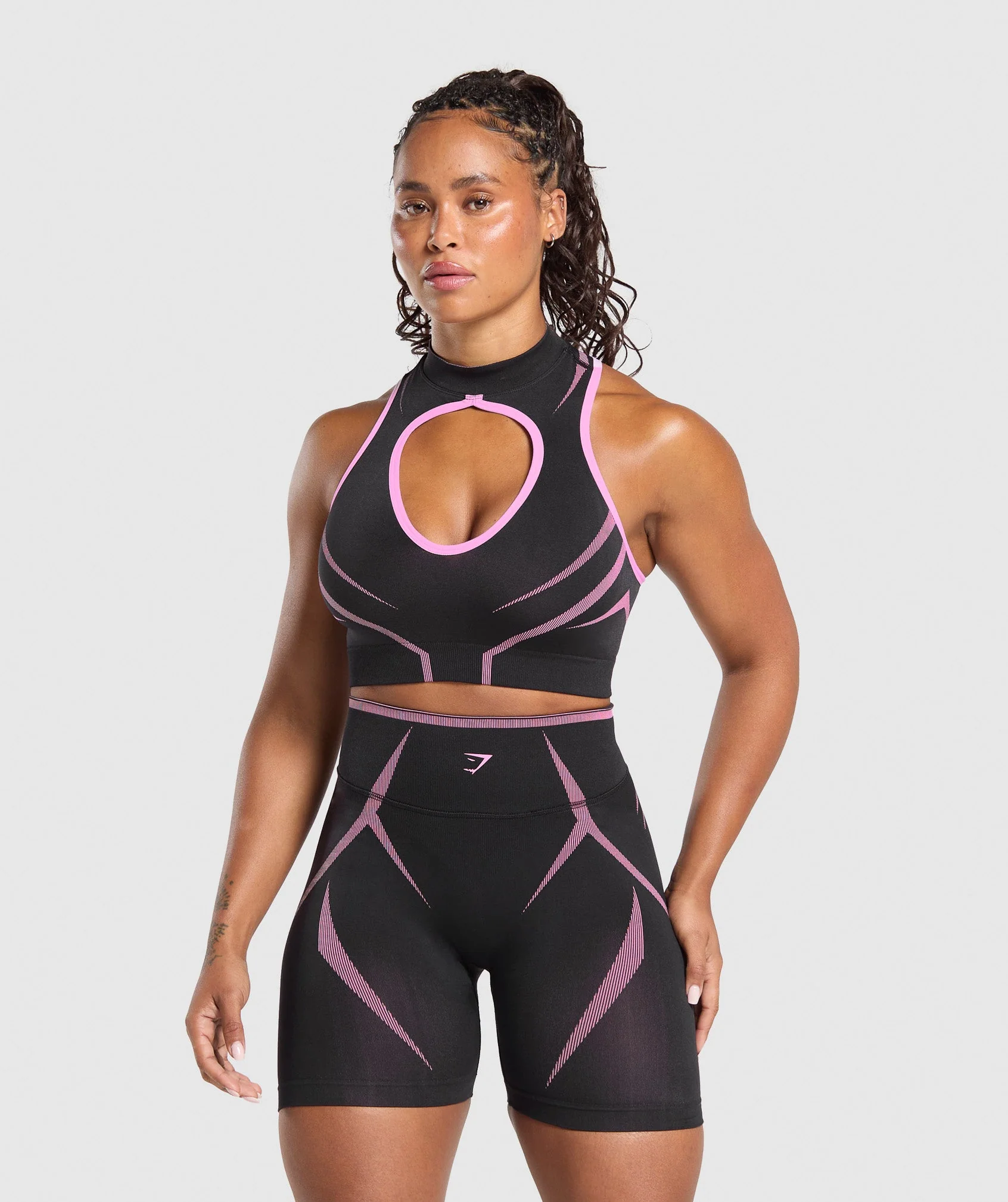
1. Gymshark Built Its Brand Through Fitness Creators
Gymshark’s biggest marketing breakthrough came from using influencers before influencer marketing was mainstream.
What they did:
- Found small but passionate fitness YouTubers
- Built long-term relationships instead of one-off sponsorships
- Co-created content and product feedback loops
- Helped creators grow their own personal brands
- Included athletes in Gymshark events, tours, and launches
Why this worked
Creators weren’t selling — they were sharing their actual workout routines.
The clothing fit the environment naturally.
OEM Insight
Influencers promote best when the product is:
- functional
- flattering
- consistent
- camera-ready
Gymshark optimized all four.
2. Community Engagement Over Traditional Advertising
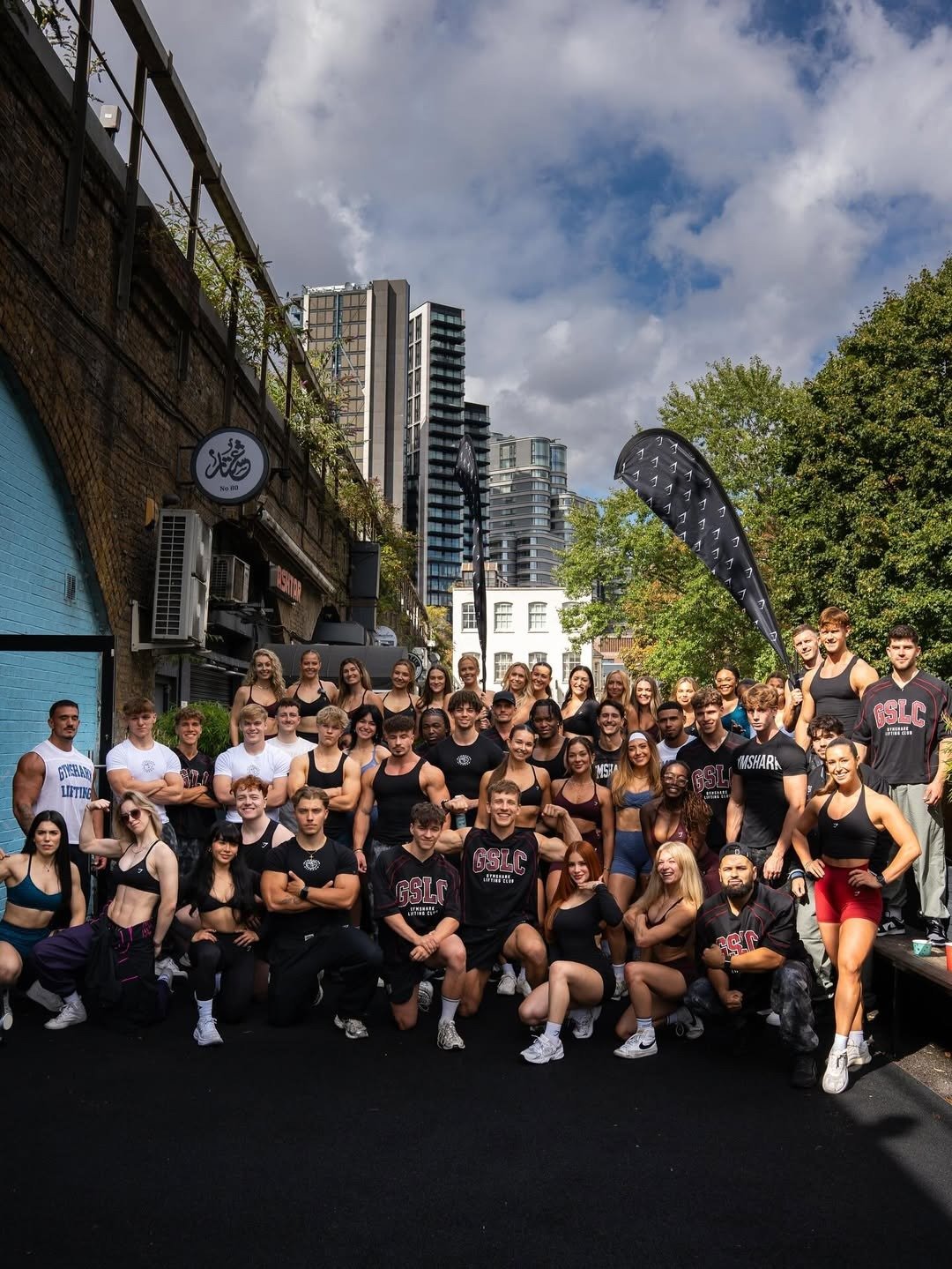
While big sports brands ran TV ads and print campaigns, Gymshark focused on community building.
Community actions that fueled growth:
- Gymshark expos with huge influencer meet-ups
- Athlete-driven tours
- Inspirational fitness content
- Transformation stories
- Collective identity (“We lift”, “Be a visionary”)
Why this matters
People trusted Gymshark because they trusted the community behind it.
Fitness is emotional — Gymshark tapped into that emotion.
3. Story-Driven Content Instead of Product-Only Marketing
Gymshark didn’t just post product shots.
They posted:
- creator stories
- progress journeys
- training footage
- behind-the-scenes brand building
- motivational messages
Why this works
Consumers connect deeply with:
- authenticity
- inspiration
- relatability
Not just features.
Compared to traditional marketing:
| Traditional Sports Brands | Gymshark |
|---|---|
| Glossy studio ads | Real gym content |
| Product-focused videos | Creator stories |
| High-budget shoots | Low-budget authenticity |
| Sponsored athletes | Partnered influencers |
Gymshark’s strategy felt human — and that made the brand explode.
4. Social-First Product Launches and Limited Drops
Gymshark used a digital marketing system similar to streetwear drop culture.
Their drop strategy included:
- teaser videos
- creator previews
- limited colorways
- countdown timers
- hype-driven Instagram content
- creator try-ons before launch
This created:
- urgency
- FOMO
- viral sharing
- instant sell-outs
OEM Insight
Small drops also reduce:
- overproduction risk
- inventory loss
- SKU complexity
- quality control problems
This is one reason Gymshark scaled profitably.
5. What New Activewear Brands Can Learn
Here are practical, beginner-friendly lessons for new brands:
✔ Lesson 1: Micro-influencers create faster traction
Start with:
- trainers
- gym owners
- fitness TikTokers
- transformation creators
Influencer marketing today is still underpriced if done right.
✔ Lesson 2: Build a community, not a catalog
Share:
- workout tips
- behind-the-scenes
- founder story
- customer journeys
People follow stories, not brands.
✔ Lesson 3: Create “content-ready” designs
Think about:
- contour lines
- squat-proof performance
- colors that pop on camera
Great content sells great apparel.
✔ Lesson 4: Use small drops to test demand
Launch 4–6 SKUs at a time.
Improve based on real data.
✔ Lesson 5: Let your creators co-develop products
Their feedback improves:
- fit
- durability
- comfort
- aesthetic details
Influencers = your R&D department.
FAQs
Q1: Did Gymshark’s growth come mainly from influencers?
Influencers were a major driver, but community identity and drop strategy were equally important.
Q2: Is this model still effective today?
Yes — especially for niche fitness segments like strength training, HIIT, or Pilates.
Q3: Do small brands need a big budget to copy Gymshark?
Not at all. Micro-influencers and organic content cost far less than traditional ads.
Q4: What is the biggest marketing lesson from Gymshark?
Build a movement, not just a product line.
Partnering With FuKi Gymwear
If you want to build an activewear brand with strong marketing momentum — the way Gymshark did — you need high-performing, camera-ready apparel.
👉 FuKi Gymwear supports brands with:
- Contour-shaping seamless fabrics
- High-stretch, squat-proof leggings
- Performance materials ideal for influencer content
- Custom sampling with fast turnaround
- Low MOQ for new founders
💬 Marketing becomes powerful when your product performs.
We help brands create apparel worth promoting.

