
Under Armour didn’t become a global performance brand by accident — it grew by pioneering fabric technologies that solved real problems for athletes: sweat, heat, mobility, and durability.
As someone who has worked with activewear OEM factories, I’ve seen how Under Armour’s focus on technical problem-solving sets it apart in a crowded market.
This article explains what makes UA fabrics unique, how they compare to competitors, and what new brands can learn when developing performance collections.
Table of Contents
- Quick Answer
- 1. Under Armour’s Core Fabric Technologies Explained
- 2. What Makes UA Fabrics Different From Other Brands
- 3. Performance Comparison: UA vs Nike vs Lululemon
- 4. Who Under Armour Fabrics Are Best For
- FAQs
- Partnering with FuKi Gymwear
Quick Answer
Under Armour’s fabric technology stands out because it’s built around moisture control, temperature regulation, durability, and sport-specific performance — solving real athlete needs with scientifically engineered textiles.
💬 From my manufacturing experience, UA’s edge comes from functional innovation, not just marketing.
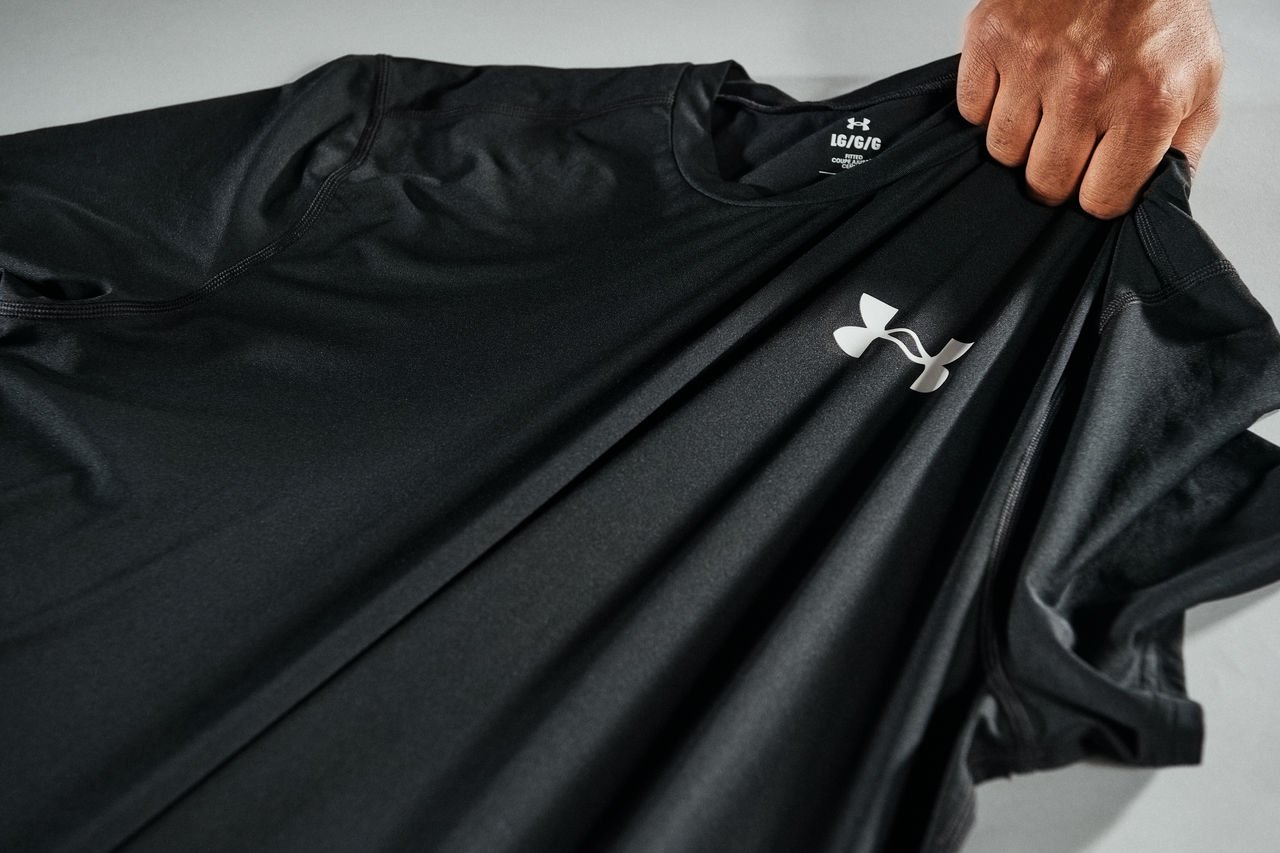
1. Under Armour’s Core Fabric Technologies Explained
Under Armour is known for performance-engineered textiles designed to help athletes train harder and stay comfortable.
1.1 HeatGear®
UA’s signature warm-weather training fabric.
| Feature | Benefit |
|---|---|
| Ultra-light | Feels barely there |
| Quick-dry | Prevents sweat buildup |
| Breathable mesh zones | Keeps athletes cool |
| Stretch construction | Full mobility |
💬 OEM insight: HeatGear-style fabrics require tight-knit poly blends + moisture-wicking finishing.
1.2 ColdGear®
Built for cold-weather training.
| Feature | Benefit |
|---|---|
| Dual-layer fabric | Warm inside, smooth outside |
| Thermal retention | Holds body heat |
| Lightweight insulation | Warm without bulk |
💬 Many brands copy this, but UA mastered the weight-to-warmth ratio.
1.3 UA RUSH™
Mineral-infused fabric designed to recycle body energy.
- Reflects infrared energy back to muscles
- Supports endurance
- Used in training tights and compression tops
💬 Whether or not consumers believe the science, it feels premium and technical.
1.4 UA HOVR™ Apparel Integration
Used where fabric + footwear cushioning science overlap.
- Energy return concept
- Optimized for running & HIIT
- Often paired with compression patterns
1.5 UA Storm™
UA’s water-resistant collection.
| Layer Type | Benefit |
|---|---|
| DWR coating | Repels rain |
| Breathable structure | Avoids overheating |
| Wind-blocking panels | Ideal for outdoor training |
💬 UA Storm jackets are a top seller in OEM requests from outdoor brands.
2. What Makes UA Fabrics Different From Other Brands
| UA Advantage | Explanation | Why It Matters |
|---|---|---|
| Problem-solving design | Sweat, heat, cold, weather | Sport-first innovation |
| Durability | Fabrics resist pilling & tearing | Long training lifespan |
| Compression engineering | Targeted support zones | Trusted by athletes |
| Technical storytelling | Clear function in every fabric | Strong product differentiation |
💬 UA focuses on function first, while many brands lead with lifestyle.

3. Comparison: UA vs Nike vs Lululemon
| Brand | Strength | Fabric Feel | Best For |
|---|---|---|---|
| Under Armour | Moisture + temperature control | Technical, durable | Intense training |
| Nike | Innovation & versatility | Smooth, performance-driven | Running, gym |
| Lululemon | Comfort + premium stretch | Soft, sleek | Studio & lifestyle |
💬 Under Armour wins for pure athletic performance, especially in tough conditions.
4. Who Under Armour Fabrics Are Best For
✔ Great For:
- High-intensity athletes
- Outdoor training
- Runners, football players, HIIT users
- People who sweat heavily
- Consumers wanting durability over softness
✘ Not Ideal For:
- Lifestyle-focused users
- Soft athleisure seekers
- Minimalist or fashion-led buyers
💬 Under Armour is built for performance-first customers.
FAQs
Q1: Why is Under Armour known for sweat-wicking?
Its HeatGear and moisture-management finishing outperform many competitors.
Q2: Are UA fabrics softer than Lululemon?
No — UA wins in performance, not softness.
Q3: Is Under Armour good for cold weather?
Yes, ColdGear® is one of the best warm-performance fabrics.
Q4: Can OEMs produce similar performance fabrics?
Yes — with the right polyester blends and finishing techniques.
Partnering with FuKi Gymwear
If you want to build performance-focused activewear like Under Armour,
👉 FuKi Gymwear can support your entire process.
Why brands choose us:
- ⚙️ Performance fabrics (quick-dry, thermal, 4-way stretch)
- 🧵 Compression tops, tights, and training sets
- 🌦️ Weather-resistant fabrics for outdoor athletes
- 🏭 BSCI & WRAP-certified production
- ⚡ Fast sampling for technical sportswear
💬 Strong performance brands need strong performance fabrics — we help you build them.

