
As someone who works directly with global sportswear OEM factories and studies brand strategy for clients, I often hear the question:
“What makes Puma different from other sports brands?”
The answer is surprisingly clear:
Puma is unique because it blends style, accessibility, retro culture, and performance in a way no other major brand does.
This guide breaks everything down in a simple, beginner-friendly format.
Table of Contents
- Quick Answer
- 1. A Unique “Sport + Lifestyle” Identity
- 2. Retro Heritage That Fits Today’s Trends
- 3. Affordable Premium Pricing
- 4. Strategic Collaborations That Feel Authentic
- 5. Strong Presence in Football and Motorsports
- Comparison Table: Puma vs Other Brands
- Who Is Puma Best For?
- What Other Brands Can Learn From Puma
- FAQs
- Related Links
Quick Answer
Puma is different because it combines retro-inspired style, affordable premium pricing, strong cultural collaborations, and real sports credibility.
Unlike Nike or Adidas, Puma focuses less on high-end performance tech and more on versatility, comfort, and trend-driven design.
External references:
- Puma Official: https://us.puma.com
- Puma Brand Story: https://about.puma.com
1. A Unique “Sport + Lifestyle” Identity
Puma sits perfectly between:
- performance sports brands
- lifestyle fashion labels
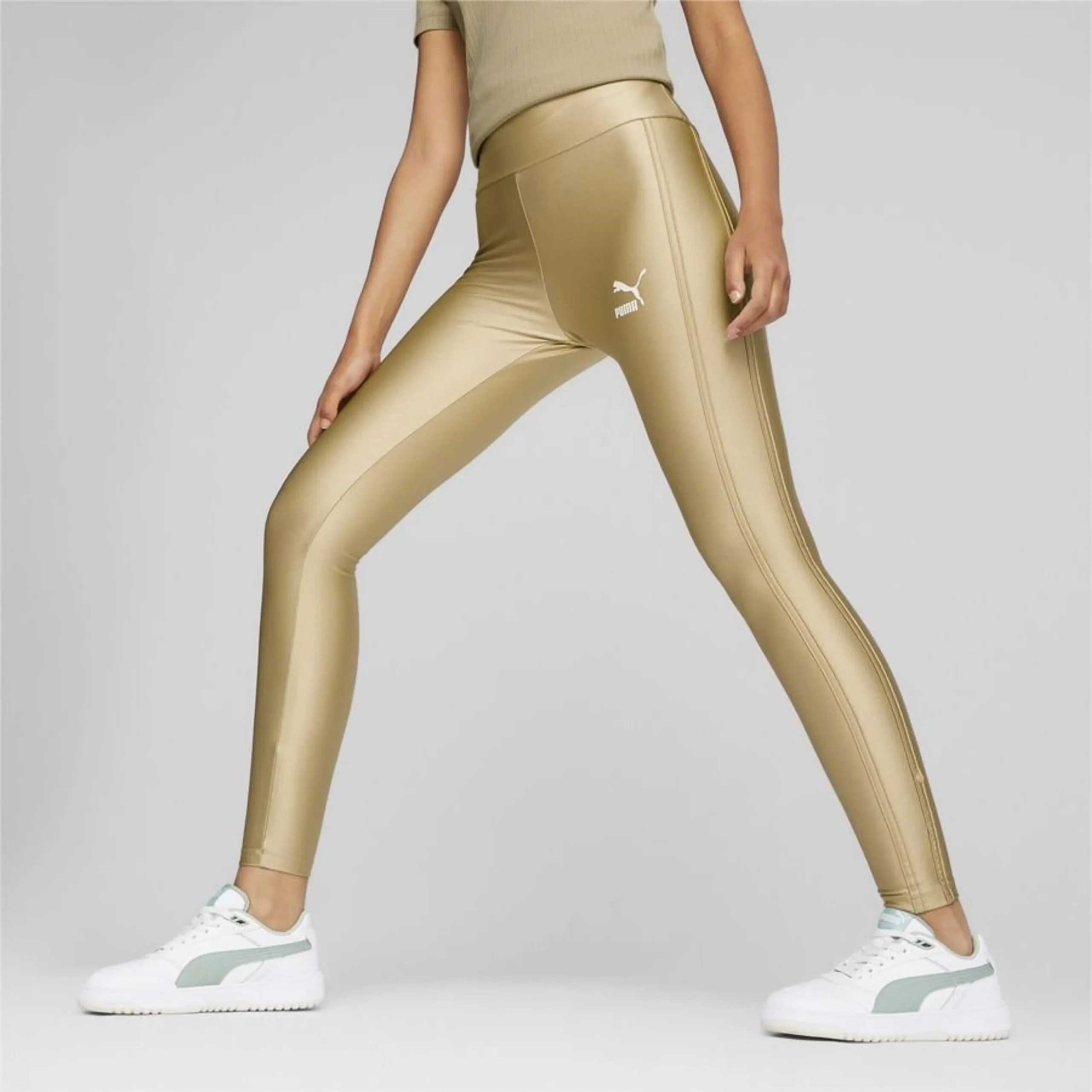
From my OEM experience, Puma intentionally designs products that work for:
- gym workouts
- daily wear
- casual runs
- street-style outfits
Why this makes Puma different:
- performance enough for training
- stylish enough for streetwear
- affordable enough for everyday buyers
Most brands lean heavily toward either sports or fashion — Puma blends both.
2. Retro Heritage That Fits Today’s Trends
Puma has decades of classic silhouettes that fit perfectly with current Y2K and retro-sneaker trends.
Popular comeback models:
- Puma Suede
- Puma Palermo
- Puma Speedcat
- Puma Roma
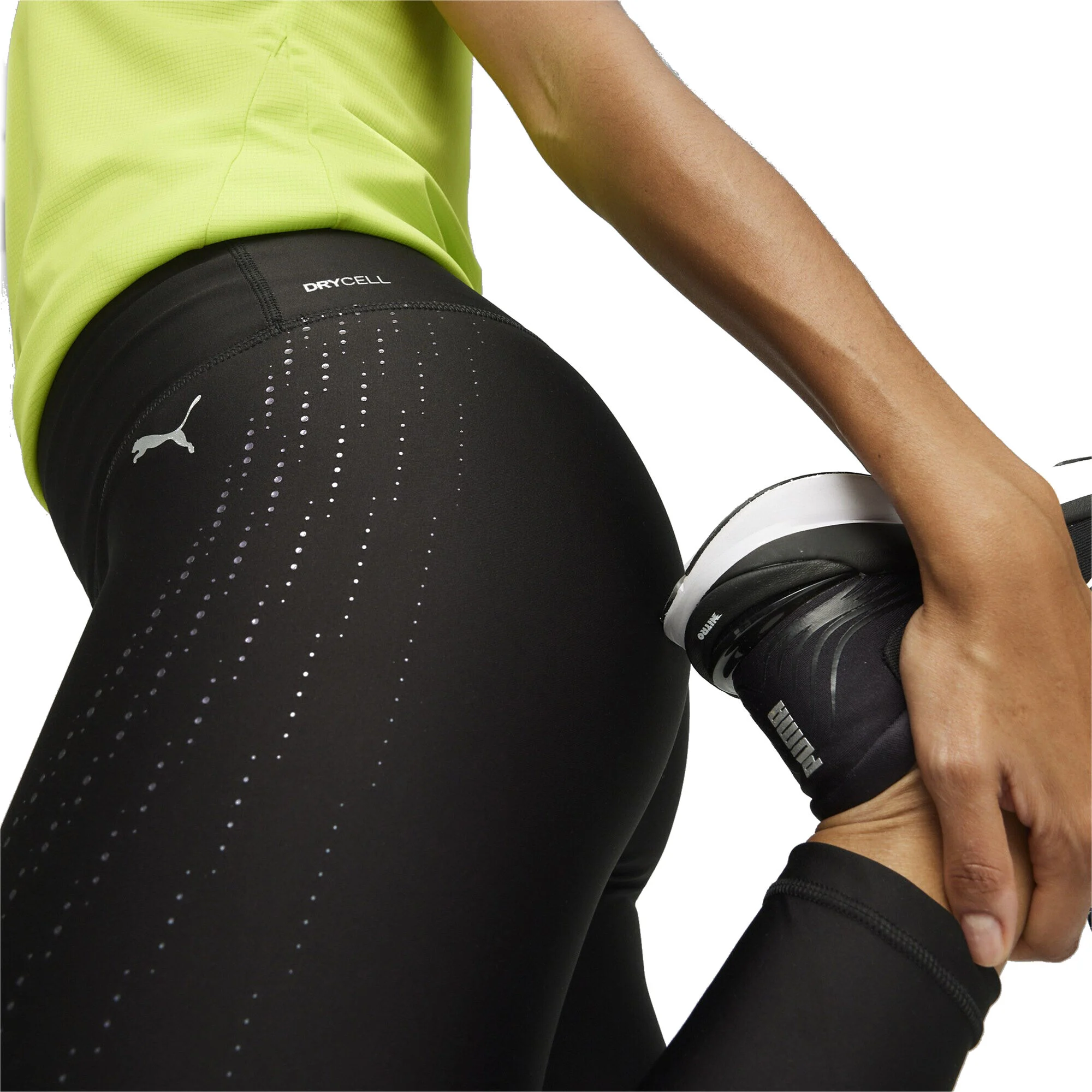
These silhouettes made Puma relevant again without needing high-tech reinvention.
OEM Insight:
Retro shoes are easier to mass-produce consistently, keeping quality high and prices fair.
3. Affordable Premium Pricing
Puma is different because it delivers premium style at lower prices.
Price Positioning:
- cheaper than Nike
- cheaper than Adidas
- similar to Reebok
- more premium than basic sports brands
Puma’s strategy:
“Look premium, feel premium, stay accessible.”
This makes the brand extremely attractive to students, young adults, and style-focused buyers.
4. Strategic Collaborations That Feel Authentic
Puma collaborates with cultural leaders — not just athletes.
Iconic collaborations:
- Rihanna FENTY x Puma
- A$AP Rocky
- Dua Lipa
- LaMelo Ball
- F1 racing partners
These collaborations feel real because collaborators’re involved in the design process—not just lending their face.
Why this stands out:
Nike = performance partnerships
Alo = fashion partnerships
Puma = cultural partnerships
This gives Puma a unique space in the market.
5. Strong Presence in Football and Motorsports
Puma is one of the strongest brands in:
- football (soccer)
- motorsports (F1, racing gear)
Why this matters:
These sports have global fandom and create cultural influence.
Football stars with Puma partnerships:
- Neymar Jr.
- Kingsley Coman
- Antoine Griezmann
This gives Puma legitimacy beyond lifestyle fashion.
Comparison Table: Puma vs Other Brands
| Brand | What Makes It Different | Weakness |
|---|---|---|
| Puma | Retro style + affordability + strong culture | Less high-tech than Nike |
| Nike | Elite performance tech | Expensive |
| Adidas | Performance + lifestyle balance | Higher prices |
| New Balance | Comfort kings | Not collaboration-driven |
| Reebok | Training heritage | Smaller global presence |
Who Is Puma Best For?
Choose Puma if you want:
- stylish gym + lifestyle shoes
- affordable premium quality
- retro sneakers with modern appeal
- comfortable training gear
- strong football-inspired styles
Puma may NOT be for you if:
- you need elite marathon running tech
- you want high-cushion basketball shoes
- you prefer maximum performance innovation
Internal Link
Want to build a sportswear line with Puma-style pricing and versatility?
👉 https://fukigymwear.com
What Other Brands Can Learn From Puma
✔ Lesson 1: Retro silhouettes never die
Puma maximized its heritage archives.
✔ Lesson 2: Culture > expensive tech
Not every brand needs to compete with Nike’s R&D budgets.
✔ Lesson 3: Accessible pricing builds loyalty
Puma proves premium doesn’t always need premium prices.
✔ Lesson 4: Versatility sells
Gym + streetwear hybrid design is a long-term trend.
FAQs
Q1: Why is Puma different from Nike?
Puma focuses on style+comfort, while Nike focuses on elite performance tech.
Q2: Is Puma good quality?
Yes — especially for lifestyle and gym use.
Q3: Is Puma considered a premium brand?
Puma is “affordable premium,” not luxury.
Q4: Why is Puma trending again?
Retro revival + celebrity collabs + affordable prices.
Related Links
- Puma Official Website: https://us.puma.com
- Puma Brand Story: https://about.puma.com
- Sportswear OEM Manufacturing: https://fukigymwear.com

