
If you’ve ever tried Lululemon leggings, you’ll know they feel different — smoother, stretchier, and somehow cooler to the touch.
As someone who works in activewear manufacturing, I’ve studied Lululemon’s materials in depth. The secret isn’t just marketing — it’s fabric engineering, fiber science, and premium finishing that most brands can’t replicate.
Let’s break down what truly makes Lululemon’s fabric unique, how it’s developed, and what other activewear brands (like ours at FuKi Gymwear) can learn from their approach.
Table of Contents
- Lululemon’s Fabric Philosophy
- Signature Fabrics That Define Lululemon
- How Fabric Technology Affects Performance
- The Science Behind Comfort and Durability
- Comparison: Lululemon vs Other Activewear Brands
- Sustainability in Fabric Innovation
- Key Takeaways for Emerging Brands
- FAQs
- About FuKi Gymwear – Custom Fabric Solutions
1. Lululemon’s Fabric Philosophy
Lululemon doesn’t just buy fabric — they create it.
Their in-house team, Whitespace™ Lab, collaborates with textile engineers and mills in Taiwan, Japan, and Italy to design proprietary blends.
Their philosophy focuses on:
- Performance through feel — the “second-skin” sensation
- Fabric-driven design — clothes built around textile behavior
- Long-lasting quality — resisting pilling, fading, and stretch loss
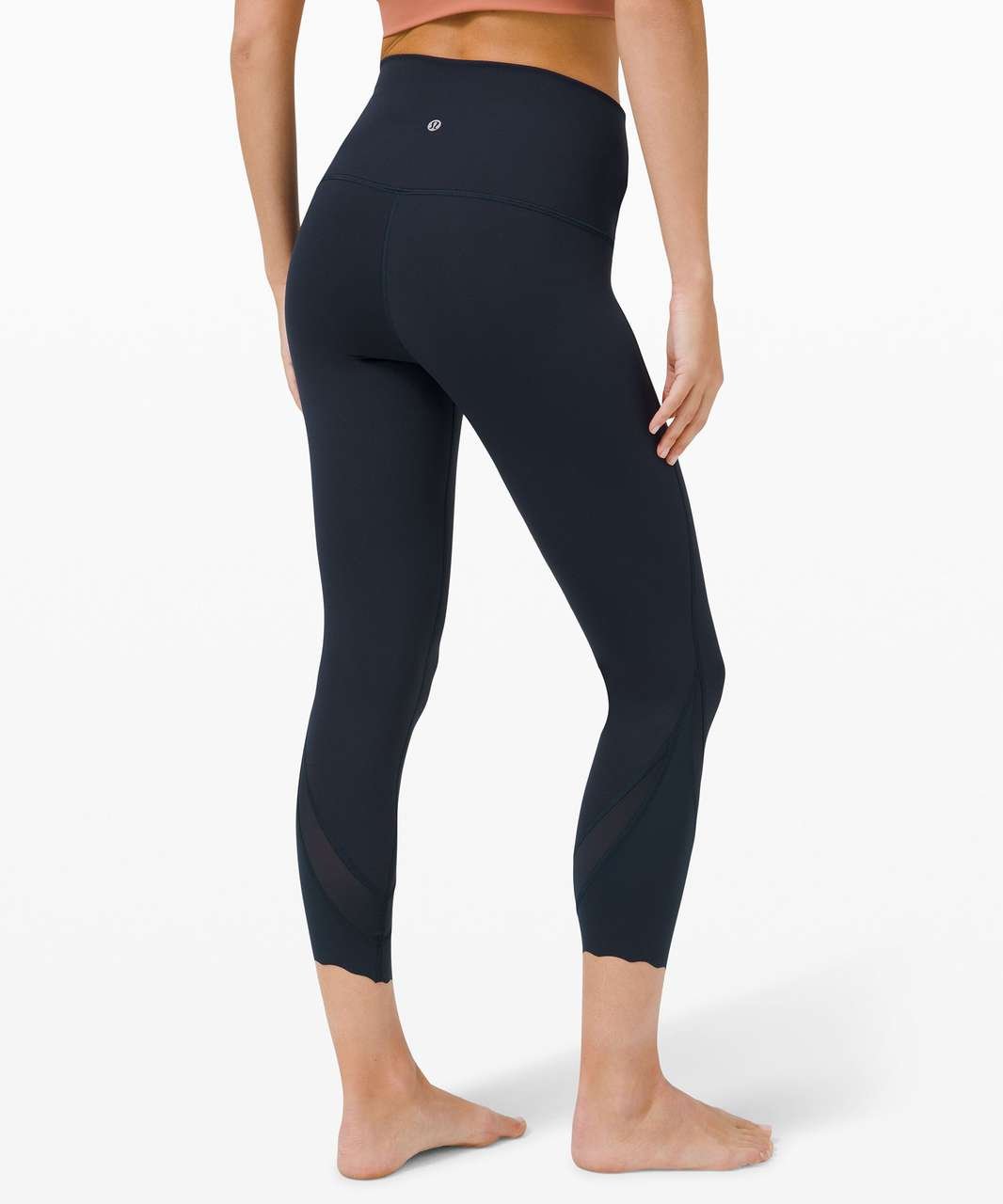
🧠 This textile-first mindset is what differentiates Lululemon from traditional apparel brands.
2. Signature Fabrics That Define Lululemon
Each Lululemon collection has its own technical fabric designed for specific movements or sensations.
| Fabric Name | Key Features | Ideal For |
|---|---|---|
| Nulu™ | Buttery-soft, weightless, 4-way stretch | Yoga, low-impact workouts |
| Luxtreme™ | Cool, compressive, moisture-wicking | Running, HIIT |
| Everlux™ | Fast-drying, breathable, dual-layer knit | Sweaty studio sessions |
| Swift™ | Lightweight, woven, abrasion-resistant | Joggers, outerwear |
| Warpstreme™ | Wrinkle-free, technical stretch knit | Lifestyle apparel |
💡 Unlike generic fabrics, these are engineered to balance elasticity, recovery, and breathability — not just softness.
3. How Fabric Technology Affects Performance
Lululemon’s success lies in functional performance that complements body movement.
Key benefits include:
- Four-way stretch: follows muscle movement for better range
- Moisture-wicking fibers: keep skin dry during workouts
- Temperature regulation: engineered yarns maintain comfort
- Shape retention: fabrics maintain compression even after 50+ washes
As an OEM manufacturer, I’ve seen how these fabric treatments — from double-knit weaves to mechanical brushing — make a tangible difference in comfort and performance.
4. The Science Behind Comfort and Durability
Lululemon uses filament yarns that are smoother and more elastic than staple fibers, reducing friction and increasing longevity.
Their fabrics often include:
- High-denier micro-nylon blends (for sleek texture)
- Lycra® fiber reinforcements (for recovery and shape retention)
- Moisture management finishes (for quick evaporation)
🧵 The result? Leggings that don’t pill, lose shape, or trap odor — a benchmark few brands match.
5. Comparison: Lululemon vs Other Activewear Brands
| Brand | Fabric Technology | Primary Strength |
|---|---|---|
| Lululemon | Proprietary blends (Nulu™, Everlux™) | Feel + Function balance |
| Nike | Dri-FIT polyester | Sweat-wicking performance |
| Under Armour | HeatGear® / ColdGear® | Temperature control |
| FuKi Gymwear | Custom-engineered eco fabrics | OEM flexibility + texture innovation |
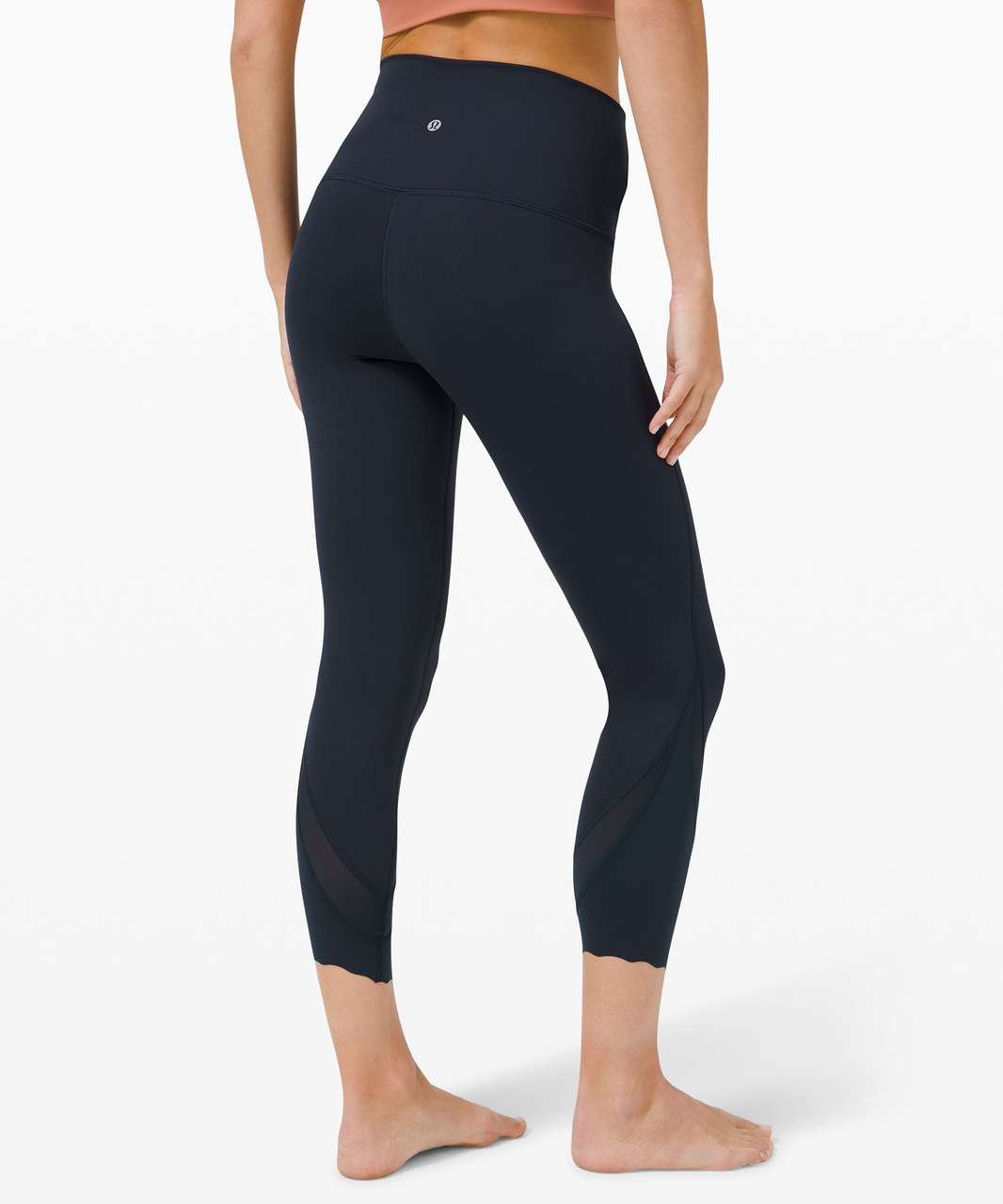
✨ Lululemon’s difference lies not in marketing — but in engineering fabrics people emotionally connect with.
6. Sustainability in Fabric Innovation
Lululemon has committed to using 100% sustainable materials by 2030.
Current progress includes:
- Transitioning to recycled nylon & polyester
- Partnering with Mylo™ (mushroom-based leather alternative)
- Implementing closed-loop dyeing systems to cut water waste
🌱 These shifts prove that sustainability and luxury can coexist in performance wear.
7. Key Takeaways for Emerging Brands
Here’s what smaller or private-label activewear brands can learn from Lululemon’s material strategy:
- Start with the fabric, not just the design.
- Work directly with mills that understand performance needs.
- Test durability and stretch recovery before mass production.
- Communicate material stories — customers care about touch, not specs.
- Offer eco versions of your core fabrics to build trust and differentiation.
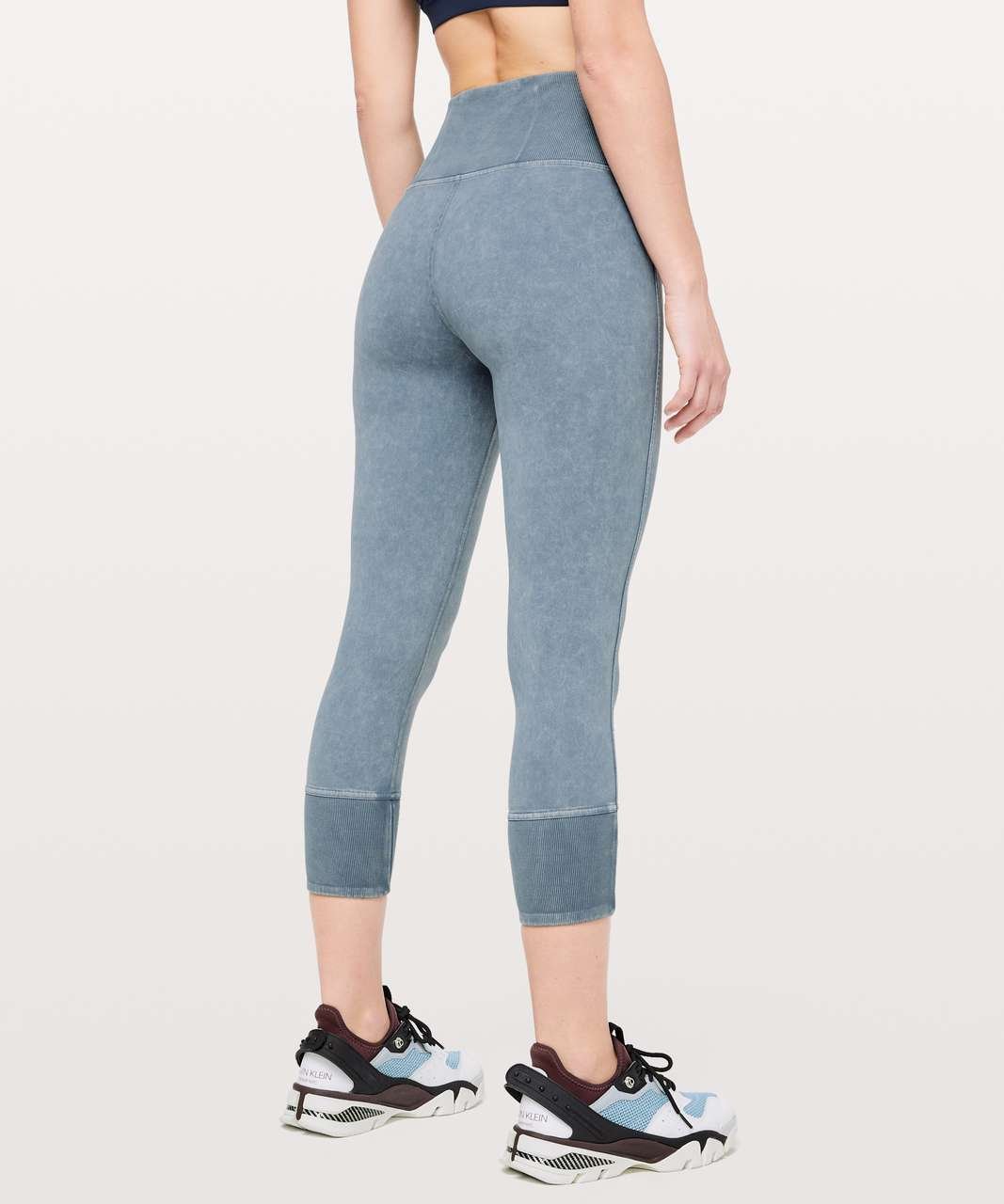
At FuKi Gymwear, we help brands do exactly this — from developing custom fabric blends to low-MOQ sampling for startups.
8. FAQs
Q1: What makes Lululemon fabric different from other yoga wear?
Its proprietary blends, like Nulu™ and Everlux™, are engineered for both softness and performance — not just comfort.
Q2: Are Lululemon fabrics sustainable?
Yes, they’re moving toward recycled and plant-based materials under their 2030 sustainability plan.
Q3: Can other brands use similar fabrics?
While the exact formulas are proprietary, OEM factories like FuKi Gymwear can replicate similar textures and functions with custom fabrics.
9. About FuKi Gymwear – Custom Fabric Solutions
At FuKiGymwear.com, we specialize in custom performance fabrics and OEM manufacturing for global activewear brands.
Our services include:
- Custom-milled fabrics (similar to Nulu™ / Everlux™)
- Low-MOQ production (from 100 pcs)
- Sustainable fabric sourcing (RPET, bamboo, recycled nylon)
- Full-package OEM / ODM with branding and packaging
Explore more:

