
If you’ve ever touched a pair of Lululemon Align leggings, you probably wondered:
Why does this fabric feel so different from other brands like Nike, Alo Yoga, or Gymshark?
As someone who works directly in activewear manufacturing, I’ve handled hundreds of technical fabrics — and it’s clear that Lululemon’s materials stand apart.
Here’s a breakdown of what makes their fabric innovation so unique — and what other brands can learn from it.
Table of Contents
- The Secret Behind Lululemon’s Signature Fabrics
- How Fabric Engineering Defines Comfort and Performance
- Lululemon’s Most Popular Fabric Lines Explained
- Why Lululemon’s Textiles Cost More to Produce
- Comparison: Lululemon vs Other Activewear Brands
- What Startups Can Learn from Lululemon’s Fabric Strategy
- FAQs
- About FuKi Gymwear – Custom Fabric & Activewear Manufacturing
1. The Secret Behind Lululemon’s Signature Fabrics
Lululemon’s success starts with one core principle:
Fabric-first design.
Instead of designing clothes and then sourcing fabric, Lululemon creates its own proprietary textiles through advanced fiber engineering.
These fabrics are developed in partnership with specialized mills in Taiwan, Japan, and China — known for technical knitting and microfiber spinning.
💬 In our factory experience, this approach ensures consistency, stretch recovery, and that signature “second-skin” feel.
2. How Fabric Engineering Defines Comfort and Performance
Every Lululemon fabric is designed for a specific activity — yoga, training, or lifestyle wear.
Here’s how they achieve it:
| Feature | Fabric Engineering Technique | Benefit |
|---|---|---|
| Four-way stretch | Micro-knit Lycra & nylon blends | Seamless flexibility |
| Moisture management | Capillary yarn structure | Sweat-wicking and cooling |
| Softness | Ultra-fine denier fibers | “Buttery” hand feel |
| Durability | High-twist yarn & abrasion tests | Long-lasting wear |
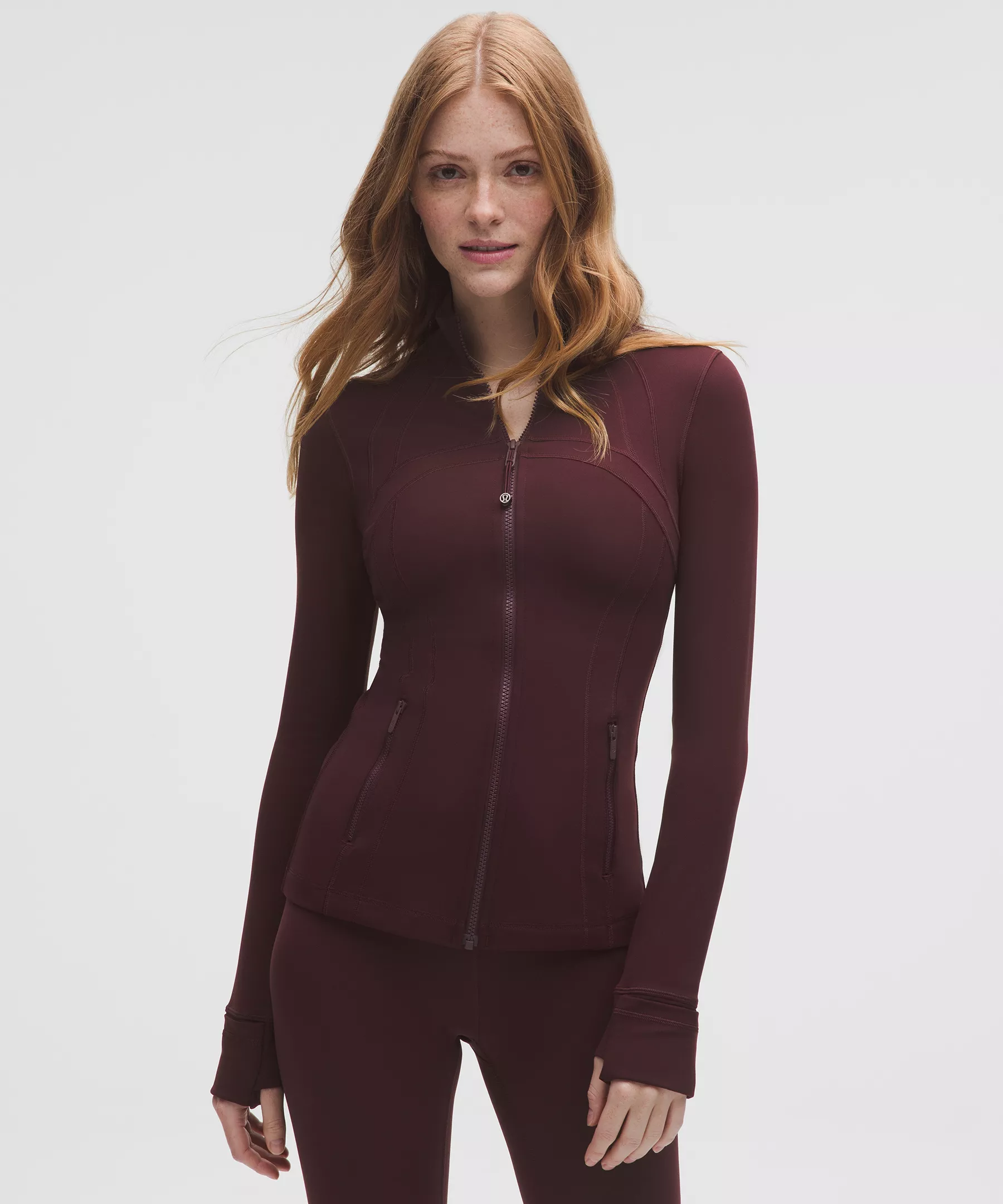
🧵 Unlike mass brands that buy generic fabric rolls, Lululemon’s textiles are made to match exact performance standards.
3. Lululemon’s Most Popular Fabric Lines Explained
Here’s a breakdown of their top materials — and how they differ from regular activewear fabrics:
| Fabric | Texture & Feel | Ideal For | Key Difference |
|---|---|---|---|
| Nulu™ | Soft, lightweight, “naked” feel | Yoga & daily wear | Prioritizes comfort over compression |
| Luxtreme™ | Sleek & compressive | Running, training | Sweat-wicking with muscle support |
| Everlux™ | Cool-touch & ultra-breathable | Hot yoga | Dries twice as fast as traditional blends |
| Warpstreme™ | Smooth, structured | Lifestyle apparel | Wrinkle-resistant for all-day wear |
💬 These are not off-the-shelf fabrics — they’re engineered specifically for user intent.
4. Why Lululemon’s Textiles Cost More to Produce
Many wonder why Lululemon prices are higher than other brands — the answer lies in R&D and fabric innovation.
| Factor | Cost Driver |
|---|---|
| Proprietary development | Years of testing & custom fiber sourcing |
| Premium yarn | Nylon 6,6 and Lycra with longer filament life |
| Quality control | Multi-stage inspection during knitting & dyeing |
| Certification | OEKO-TEX® & Bluesign® for safety and sustainability |
✅ From a production view, these steps can increase material cost by 20–40% compared to standard fabrics.
5. Comparison: Lululemon vs Other Activewear Brands
| Brand | Main Fabric Type | Comfort | Durability | Innovation Level |
|---|---|---|---|---|
| Lululemon | Nulu™, Luxtreme™, Everlux™ | ⭐⭐⭐⭐⭐ | ⭐⭐⭐⭐ | Proprietary |
| Nike | Dri-FIT™, Flyknit™ | ⭐⭐⭐⭐ | ⭐⭐⭐⭐ | Advanced |
| Alo Yoga | Alosoft™, Airlift™ | ⭐⭐⭐⭐ | ⭐⭐⭐ | Stylish |
| FuKi Gymwear | Custom nylon-spandex blends | ⭐⭐⭐⭐ | ⭐⭐⭐⭐ | OEM-based innovation |
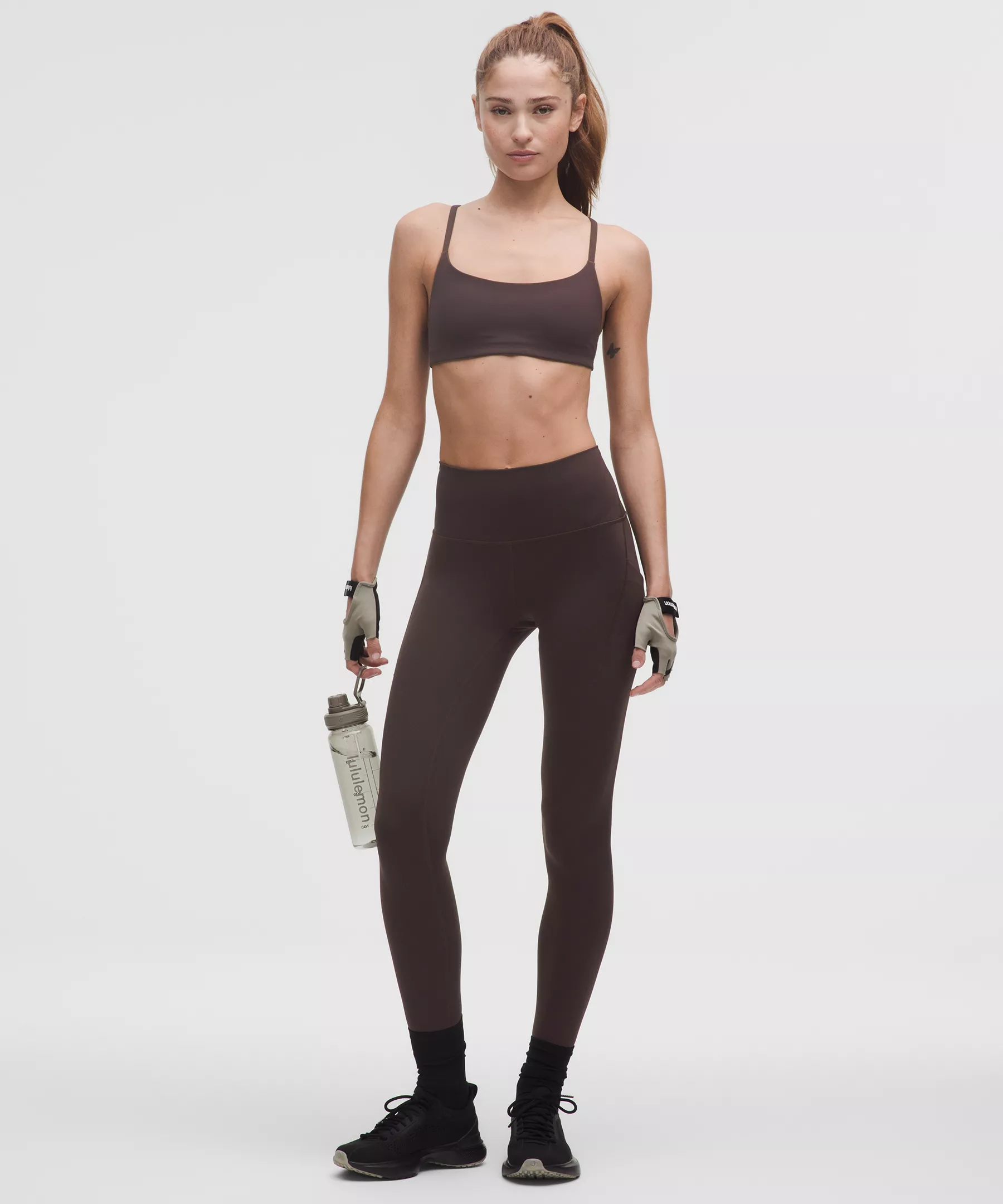
🧩 Lululemon leads in tactile comfort, while brands like FuKi Gymwear make similar-quality fabrics more accessible to smaller brands.
6. What Startups Can Learn from Lululemon’s Fabric Strategy
If you’re developing your own activewear line, here are lessons worth noting:
- Fabric defines brand identity. Comfort creates loyalty.
- Partner with specialized mills. Generic suppliers can’t deliver luxury-level texture.
- Test for real performance. Evaluate breathability, stretch, and colorfastness.
- Focus on touch. Consumers judge premium quality by feel, not marketing.
💬 At FuKi Gymwear, we use similar microfiber and spandex blends to help brands create signature fabrics that customers remember.
7. FAQs
Q1. Why does Lululemon fabric feel softer than others?
Because it uses ultra-fine denier fibers and special finishing treatments for smoothness.
Q2. Are Lululemon fabrics sustainable?
Partly. They’ve begun incorporating recycled nylon and polyester since 2022.
Q3. Can smaller brands access similar fabrics?
Yes — OEM partners like FuKi Gymwear offer custom-milled fabrics inspired by top-tier brands.
Q4. Which fabric is best for yoga?
Nulu™ for softness and Everlux™ for hot yoga or intense sweating sessions.
8. About FuKi Gymwear – Custom Fabric & Activewear Manufacturing
At FuKiGymwear.com, we specialize in premium custom activewear manufacturing — helping global brands create fabrics that rival Lululemon’s.
Our Services Include:
- OEM & ODM production (Low MOQ 100 pcs)
- Custom fabric development: Nylon-spandex, recycled polyester, seamless knits
- Private labeling & packaging
- Fast sampling (7–10 days) and bulk delivery (25–35 days)
- Sustainably certified mills: OEKO-TEX®, BSCI, and GRS
💬 If you want to build your own activewear brand with fabrics that feel luxurious and perform like Lululemon — we can make it happen.
👉 Start creating your own performance fabric collection today.
Visit FuKiGymwear.com to begin your design journey.

