
Table of Contents
- Quick Answer
- What “Squat-Proof” Really Means
- Why Most Leggings Fail Squat Tests
- The Engineering Behind Squat-Proof Leggings
- Factory-Level Control Points
- Recommended Leggings Manufacturers
- Factory Comparison Table
- How to Guarantee Squat-Proof Results
- FAQs
- Work With Fukigymwear
Quick Answer
Leggings pass squat tests not because they are “thick,”
but because they are engineered for stretch under load.
From a factory perspective, squat-proof performance depends on:
- Yarn quality
- Knit density stability
- Pattern tension balance
- Seam engineering
- Dye penetration under stretch
If any one of these fails, the fabric turns sheer the moment the wearer squats.
Squat-proof is not a feature.
It is a system.
What “Squat-Proof” Really Means
In production, a squat test simulates:
- Maximum hip expansion
- Thigh stretch under load
- Back-rise tension
- Light exposure through fabric
A legging passes when:
- No skin tone shows
- No yarn whitening occurs
- Seams stay flat
- Color remains uniform
Most returns happen because this test is never performed at factory level.
Why Most Leggings Fail Squat Tests
From my production experience, failures come from:
- Open-knit fabric that spreads under tension
- Low-filament yarn that “whitens” when stretched
- Patterns that over-stretch the seat panel
- Cheap dyes that fade at 120–150% stretch
- Waist panels that thin under load
These issues don’t show on a mannequin.
They show only in motion.
The Engineering Behind Squat-Proof Leggings
| Engineering Layer | What It Controls |
|---|---|
| Yarn Selection | Fiber separation under load |
| Knit Density | Loop opening during stretch |
| Pattern Tension | Stretch distribution |
| Seam Type | Stress whitening |
| Dye Method | Opacity at 150% stretch |
Squat-proof leggings are built, not chosen.
Factory-Level Control Points
In serious activewear factories, we lock:
- GSM tolerance ranges
- Stretch recovery thresholds
- Back-rise tension ratios
- Seat panel orientation
- Color density under stretch
Without these controls, “squat-proof” is just marketing language.
Recommended Leggings Manufacturers
1. Fukigymwear – Engineered Activewear OEM

Activewear-focused OEM with in-house squat testing and low MOQ.
Best for: Brands that need reliable squat-proof results from day one.
2. MAS Holdings – Technical Performance Leader
Global benchmark for engineered performance apparel.
Best for: Premium compression programs.
3. Hansae – Global Manufacturing Group
👉 Hansae

Large-scale OEM supplying major athletic brands.
Best for: Retail volume with stable quality.
4. Makalot – Performance Knit Specialist
👉 Makalot

Strong in fabric development and knit engineering.
Best for: Lifestyle-performance hybrids.
5. Shenzhou International – Knitwear Giant
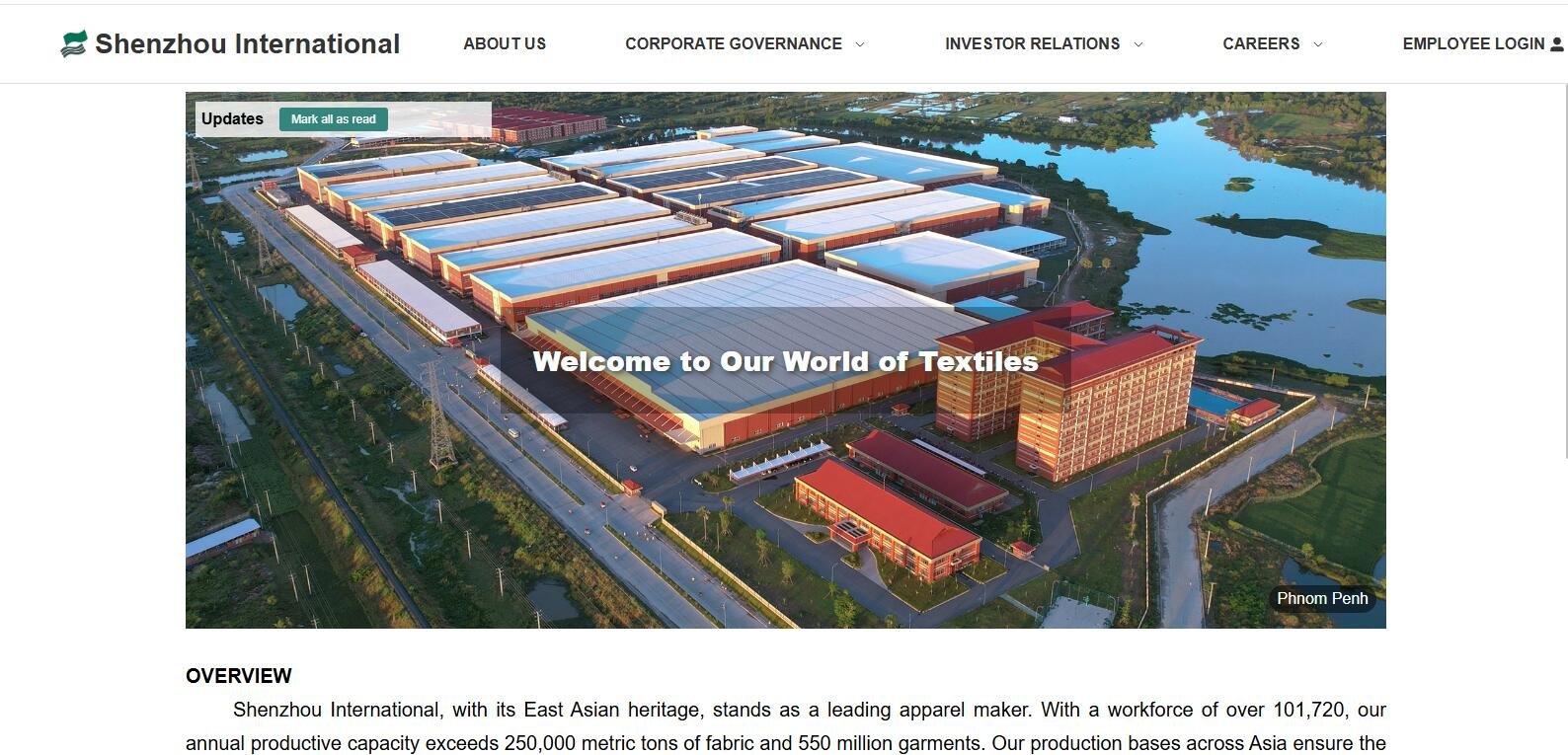
World-class knit production scale and consistency.
Best for: High-volume squat-proof programs.
Factory Comparison Table
| Factory | MOQ | Engineering Level | Best For |
|---|---|---|---|
| Fukigymwear | 100–300 | High | New brands |
| MAS Holdings | 1,000+ | Very High | Premium |
| Hansae | 1,000+ | Medium | Retail |
| Makalot | 800+ | Medium | Lifestyle |
| Shenzhou Intl | 2,000+ | Medium | Mass volume |
How to Guarantee Squat-Proof Results
- Lock GSM ranges
- Test opacity under stretch
- Engineer back-rise tension
- Wash-test before bulk
- Enforce golden samples
- Choose factories that test in motion
Squat-proof is not a promise.
It’s a process.
FAQs
Q: Are thicker leggings always squat-proof?
A: No. Loose knit at high GSM can still turn sheer.
Q: Should every colorway be tested?
A: Yes. Black and navy behave differently under stretch.
Q: Can low MOQ leggings be squat-proof?
A: Yes—with partners like 👉 Fukigymwear that engineer from sample to bulk.
Work With Fukigymwear
If your leggings must:
- Stay opaque in motion
- Hold compression
- Recover after wash
- Scale consistently
👉 Fukigymwear
provides engineered gym leggings OEM with squat testing, fabric control, and low-MOQ production for performance brands.

