
If you’ve ever browsed fitness apparel online, you’ve probably seen Gymshark pop up next to giants like Nike and Under Armour.
But here’s the question most fitness lovers ask:
👉 What makes Gymshark truly different from those global powerhouses?
As someone who works directly with activewear production and fabric sourcing, I’ve studied these brands closely.
Let’s break down the key differences — from branding to fabric engineering — and find out what makes Gymshark stand apart.
Table of Contents
- A Quick Look at Each Brand
- Gymshark’s Startup Story vs Corporate Giants
- Design Philosophy: Community Over Celebrity
- Product Focus and Fabric Technology
- Pricing, Market Position, and Target Audience
- Marketing Strategy: Authenticity Wins
- What Smaller Brands Can Learn from Gymshark
- FAQs
- About FuKi Gymwear – Building the Next Gymshark
1. A Quick Look at Each Brand
Let’s start with a simple overview to understand the DNA of these brands.
| Brand | Founded | Origin | Focus | Key Identity |
|---|---|---|---|---|
| Gymshark | 2012 | UK | Digital-native fitness apparel | Community-driven innovation |
| Nike | 1964 | USA | Global sportswear giant | Performance & lifestyle |
| Under Armour | 1996 | USA | Performance-first | Fabric innovation & function |
💬 While Nike and Under Armour built empires around athletic excellence, Gymshark built its brand around digital storytelling.
2. Gymshark’s Startup Story vs Corporate Giants
Gymshark began in a garage in Birmingham, UK, with founder Ben Francis screen-printing t-shirts for bodybuilders.
In contrast, Nike and Under Armour had decades of retail and R&D dominance before social media existed.
The key difference?
Gymshark’s growth was organic and digital-first, fueled by YouTube, Instagram, and fitness influencers rather than TV ads or sponsorships.
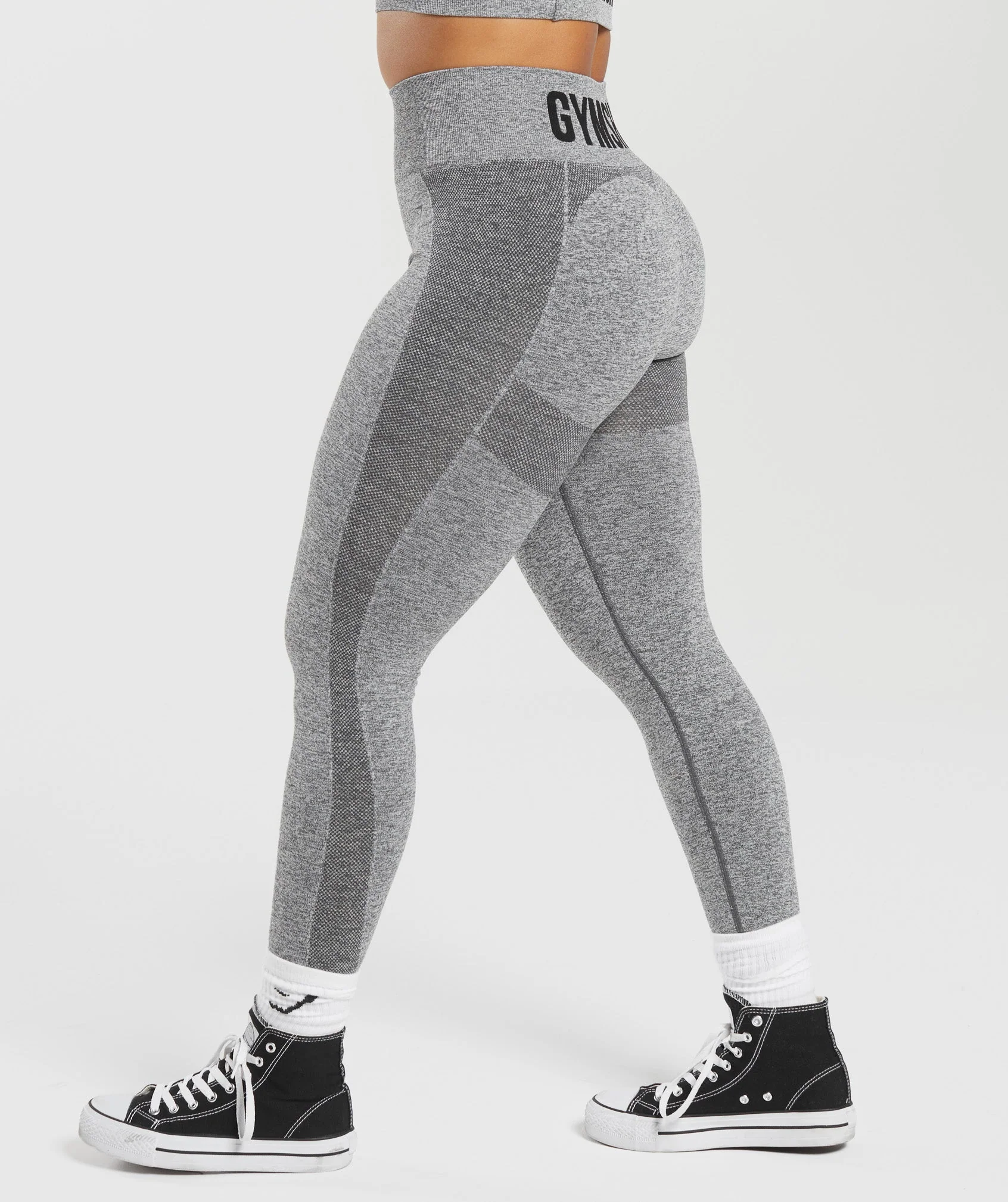
💬 I still remember how Gymshark used relatable athletes instead of paid models — that authenticity hit home with Gen Z buyers.
3. Design Philosophy: Community Over Celebrity
Nike and Under Armour invest heavily in celebrity endorsements — think LeBron James or Stephen Curry.
Gymshark flipped that strategy and instead focused on the everyday fitness creator.
| Brand | Brand Voice | Marketing Focus |
|---|---|---|
| Gymshark | Relatable & social | Community & creators |
| Nike | Inspirational | Athletic excellence |
| Under Armour | Competitive | Strength & performance |
🧩 Gymshark didn’t sell dreams — it sold belonging.
That’s why fitness influencers across TikTok, Instagram, and YouTube helped turn it into a billion-dollar brand.
4. Product Focus and Fabric Technology
Each brand has its own material DNA — their fabrics reflect their mission.
| Brand | Core Fabric Tech | Description |
|---|---|---|
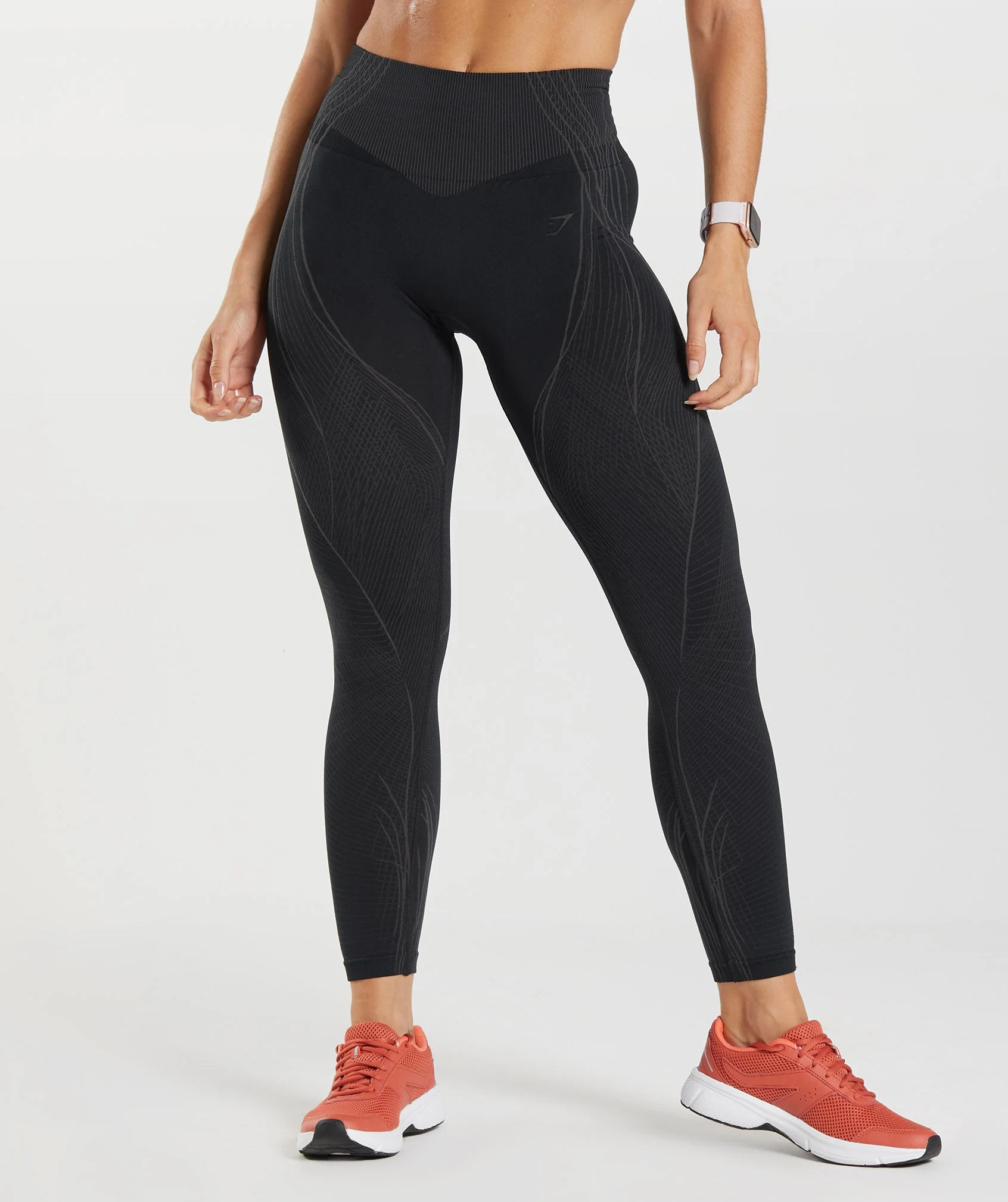
| Gymshark | Seamless knit, nylon-spandex | Lightweight, sculpting, and stretchy for training |
| Nike | Dri-FIT™ | Moisture-wicking, lightweight, highly technical |
| Under Armour | HeatGear® / ColdGear® | Engineered for temperature control |
| FuKi Gymwear | Custom compression & seamless | OEM-level fabrics built for performance brands |
💬 Gymshark’s seamless construction and compression fits are now industry standards — something we often replicate for B2B clients at FuKiGymwear.com.
5. Pricing, Market Position, and Target Audience
Gymshark positioned itself between premium and affordable, attracting younger consumers who want both style and performance.
| Brand | Price Range (USD) | Target Audience | Style |
|---|---|---|---|
| Gymshark | $35–$80 | Gen Z / Fitness Creators | Trendy, body-contouring |
| Nike | $50–$150 | Athletes & Lifestyle | Iconic, global |
| Under Armour | $40–$120 | Competitive athletes | Functional, technical |
🧘 Gymshark’s hybrid model — stylish yet functional — made it the go-to brand for the “Instagram gym generation.”
6. Marketing Strategy: Authenticity Wins
While Nike uses emotion and legacy, and Under Armour uses science and strength, Gymshark thrives on relatability.
Gymshark’s formula:
- Relatable fitness creators instead of famous athletes
- User-generated gym content on TikTok and Instagram
- Hype from limited drops & pop-up stores
- Brand tone = “motivational but human”
💬 The takeaway? Authenticity outperforms advertising in the age of social commerce.
7. What Smaller Brands Can Learn from Gymshark
If you’re starting a fitness or activewear line, here’s what Gymshark’s story teaches us:
✅ Leverage social media first, not last. Build brand trust online.
✅ Invest in your fabrics. Comfort drives repeat customers.
✅ Use storytelling. Show real people wearing your clothes.
✅ Work with the right manufacturer. You don’t need massive orders to start — you need consistency and quality.
💬 At FuKiGymwear.com, we help new fitness brands achieve Gymshark-level quality with low MOQs and fast lead times.
8. FAQs
Q1. Why is Gymshark so successful?
Because it mastered community-led marketing and combined social relevance with stylish, affordable products.
Q2. Is Gymshark better than Nike or Under Armour?
Not necessarily better — but more relatable and trend-driven for younger audiences.
Q3. Where are Gymshark’s clothes made?
Mostly in China, Bangladesh, and Turkey, via specialized performance factories.
Q4. Can small brands achieve similar success?
Yes — with smart branding, digital engagement, and OEM support like FuKi Gymwear.
9. About FuKi Gymwear – Building the Next Gymshark
At FuKiGymwear.com, we specialize in helping fitness brands turn big ideas into real collections.
We Offer:
- OEM & ODM custom activewear manufacturing
- Seamless, compression, and recycled fabric options
- Low MOQ (100 pcs) for startups
- Private labeling, packaging, and global shipping
- Ethical, certified production (BSCI, OEKO-TEX®, GRS)
💬 Whether you’re building your first line or scaling worldwide, FuKi Gymwear can help you create Gymshark-level products with your own identity.
👉 Build your fitness brand today with FuKi Gymwear:
Visit FuKiGymwear.com to start your custom manufacturing journey.

