
Gym jackets are designed for movement, temperature control, and versatility.
But in real production, many jackets end up bulky — and that directly affects performance.
From my experience working on the production floor, bulk is not caused by one mistake.
It’s the result of design, fabric, and construction decisions not working together.
This guide breaks down exactly what causes bulk — and how brands can avoid it.
Table of Contents
- Quick Answer
- What “Bulky” Really Means in Outerwear
- The Four Main Causes of Bulkiness
- How Bulkiness Shows Up in Use
- Factory-Level Decisions That Add Bulk
- Recommended Gym Jacket Manufacturers
- Factory Comparison Table
- How to Avoid Bulk While Maintaining Function
- FAQs
- Work With FuKi Gymwear
Quick Answer
A gym jacket becomes bulky when design, fabric, and construction conflict with each other.
From real production experience, bulk usually comes from:
- heavy fabric weight
- thick insulation layers
- multiple inner linings
- over-engineered seams
- excessive hardware
💬 Bulky jackets feel:
- heavy
- stiff
- heat-trapping
Which is the opposite of what performance apparel should deliver.
What “Bulky” Really Means in Outerwear
In practical terms, a bulky jacket is one that:
- limits movement
- feels heavy during wear
- traps heat too quickly
- takes up excessive space when packed
From a factory perspective, bulk is defined as:
👉 mass + resistance + volume
Important distinction:
- A jacket can be lightweight but bulky (high volume)
- Or heavy but streamlined
💬 Bulk is not just weight — it’s how the garment behaves in motion.
The Four Main Causes of Bulkiness
There are four primary causes behind bulky gym jackets:
| Cause | What It Does |
|---|---|
| Heavy Fabric | Adds weight and stiffness |
| Thick Insulation | Increases volume and heat retention |
| Excess Hardware | Adds unnecessary weight |
| Pattern Overlap | Creates internal tension |
💬 Factories balance these factors based on function — not aesthetics.
How Bulkiness Shows Up in Use
Bulky jackets don’t just look different — they perform differently.
Common issues include:
- restricted arm movement
- puffing at chest or back
- overheating during activity
- poor fit around hips
Real-world impact
| Use Case | Bulky Jacket | Ideal Jacket |
|---|---|---|
| Morning run | Weighs you down | Moves naturally |
| HIIT session | Traps heat | Breathes efficiently |
| Warm-up | Feels stiff | Moves with body |
| Travel | Hard to pack | Compact |
💬 Bulk reduces performance — even if the design looks good.
Factory-Level Decisions That Add Bulk
Bulk is not random — it is engineered through production decisions.
1. Fabric Weight & Finish
Mid-to-high GSM fabrics add structure but reduce flexibility.
2. Insulation Layers
More insulation = more warmth, but also more volume.
3. Seam Construction
Multiple seam layers create stiffness at connection points.
4. Hardware Selection
Heavy zippers, pulls, and toggles increase weight.
5. Panel Overlap
Extra design panels can restrict stretch and increase mass.
💬 From my experience, bulk is a design consequence — not a defect.
Recommended Gym Jacket Manufacturers
These manufacturers are known for balancing performance and structure without unnecessary bulk.
1. Fukigymwear – Performance Activewear OEM

Best for:
- engineered gym jackets
- performance-focused brands
2. Brooks Running – Athletic Apparel Innovator
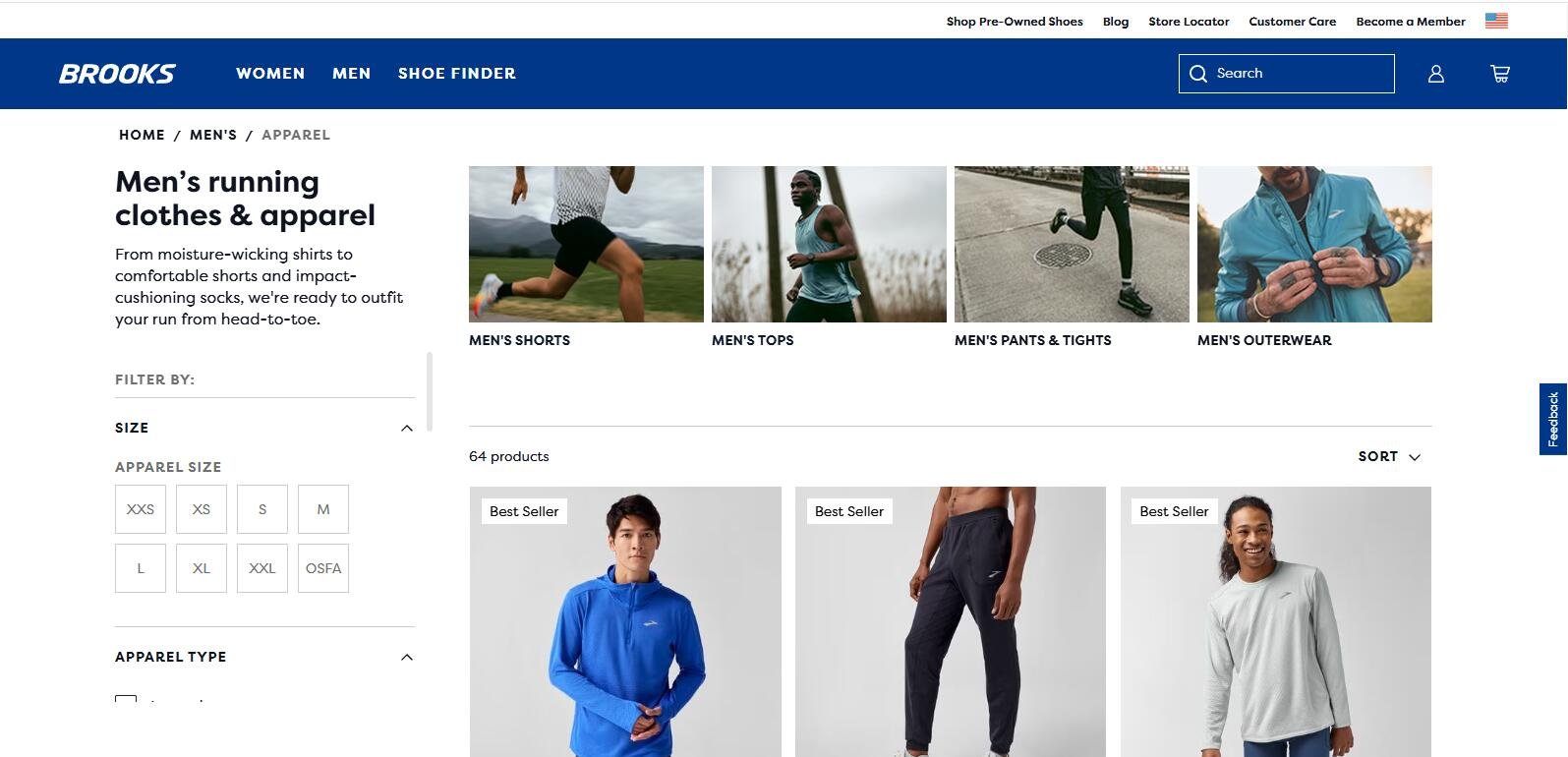
Best for:
- performance benchmarking
- advanced ventilation systems
3. Outdoor Voices – Active Lifestyle Brand

Best for:
- clean silhouettes
- breathable lifestyle designs
4. Vuori – Premium Active Apparel

Best for:
- hybrid training + lifestyle apparel
- comfort-driven design
5. Cotopaxi – Outdoor Performance Brand

Best for:
- technical outerwear
- outdoor-performance crossover
Factory Comparison Table
| Manufacturer | Bulk Control Expertise | Best For | Notes |
|---|---|---|---|
| Fukigymwear | High | Training lines | Engineered performance |
| Brooks Running | Very High | Performance outerwear | Premium benchmark |
| Outdoor Voices | Medium–High | Lifestyle performance | Clean silhouettes |
| Vuori Clothing | High | Premium hybrid | Comfort + function |
| Cotopaxi | Very High | Outdoor performance | Technical jackets |
How to Avoid Bulk While Maintaining Function
Here’s how I help brands balance performance and structure:
- choose fabric weight between 120–220 GSM
- avoid unnecessary insulation layers
- use strategic paneling instead of layering
- optimize seam placement for movement
- select lightweight, high-strength hardware
- validate through wear and wash testing
💬 Key principle:
Bulk is not warmth.
Bulk = volume + resistance.
FAQs
Q: Do all warm jackets have to be bulky?
No. Smart fabric engineering allows warmth without excess mass.
Q: Can lightweight fabrics still provide warmth?
Yes — if they manage heat retention and airflow effectively.
Q: Is thicker fabric always better?
No. Thicker fabric often adds weight and reduces mobility.
Work With FuKi Gymwear
If your gym jackets need to:
- move naturally
- stay lightweight
- manage heat effectively
- scale for production
👉 Fukigymwear builds performance jackets and hoodies with:
- engineered panel flow
- optimized fabric weight
- technical sampling
- startup-friendly MOQ
💬 So your product feels designed — not heavy.
