
Lululemon isn’t just a yoga brand — it’s a blueprint for building premium activewear that sells trust, lifestyle, and performance.
As someone who works with private label and OEM brands daily, I’ve studied how Lululemon built its empire — and what small or emerging brands can learn from it.
Here’s a breakdown of the strategies that can help you build your own strong, scalable brand.
Table of Contents
- Understanding Lululemon’s Business Model
- Product Differentiation: More Than Just Fabrics
- Brand Experience and Community Building
- The Power of Consistency in Quality
- How Private Label Brands Can Replicate Lululemon’s Model
- Lessons from a Manufacturer’s Perspective
- FAQs
- About FuKi Gymwear – OEM Partner for Private Label Brands
1. Understanding Lululemon’s Business Model
Lululemon’s model blends premium positioning, community culture, and product innovation.
Unlike fast fashion, it focuses on selling a purpose, not just clothing.
| Core Element | Description | Takeaway for Private Labels |
|---|---|---|
| Vertical Integration | Controls design to retail | Improves quality and profit margin |
| Lifestyle Marketing | Sells “mindful performance” | Build emotion, not discounts |
| Premium Pricing | Justified through innovation | Consumers pay for perceived value |
💡 Private labels should focus on owning their niche — not copying everyone.
2. Product Differentiation: More Than Just Fabrics
Lululemon’s success didn’t come from flashy ads but from innovation in comfort and fabric technology.
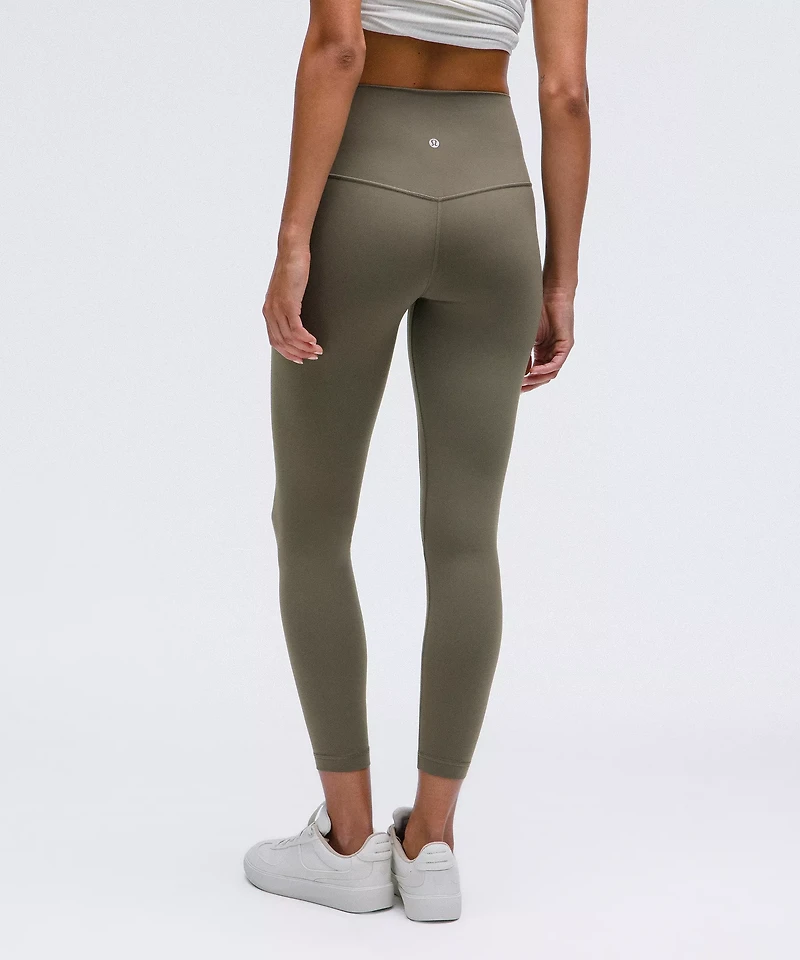
Their signature Nulu™, Everlux™, and Luxtreme™ fabrics turned leggings into technical gear.
Private label takeaway:
Don’t just pick trendy styles. Develop a signature feel — whether it’s buttery-soft yoga sets or ultra-durable gymwear.
At FuKi Gymwear, for instance, we help brands test multiple fabric blends to find their “hero fabric.”
3. Brand Experience and Community Building
Lululemon built loyalty through community and lifestyle — not just discounts.
Its ambassador programs, yoga events, and mindful campaigns built emotional connection.
Private labels can follow this by:
- Hosting fitness or lifestyle workshops online
- Sharing user-generated content
- Building local partnerships with trainers or micro-influencers
🏷️ People buy stories — not SKU codes.
4. The Power of Consistency in Quality
Every Lululemon item feels consistent — from a $60 tank to a $150 jacket.
This level of control comes from strict OEM partnerships and detailed technical packages (Tech Packs).
For private label brands:
- Stick to one trusted OEM supplier.
- Standardize your patterns and trims.
- Reinvest profits into R&D, not random new styles.
✅ Consistency builds credibility — inconsistency kills repeat orders.
5. How Private Label Brands Can Replicate Lululemon’s Model
Here’s a simple action map based on Lululemon’s approach:
| Strategy | Lululemon Example | Private Label Application |
|---|---|---|
| Fabric Innovation | Nulu™, Everlux™ | Develop your signature textile with OEMs |
| Community Building | Yoga ambassadors | Collaborate with fitness influencers |
| Quality Control | Strict multi-stage testing | Implement small-batch inspections |
| Emotional Branding | “Sweatlife” philosophy | Create a mission-driven tagline |
| Sustainability | Recycled nylon & water-saving dye | Use eco-fabrics to attract new buyers |
🎯 The goal isn’t to copy Lululemon — it’s to apply their mindset at your scale.
6. Lessons from a Manufacturer’s Perspective
From my experience producing activewear for multiple international clients, here’s what I’ve observed:
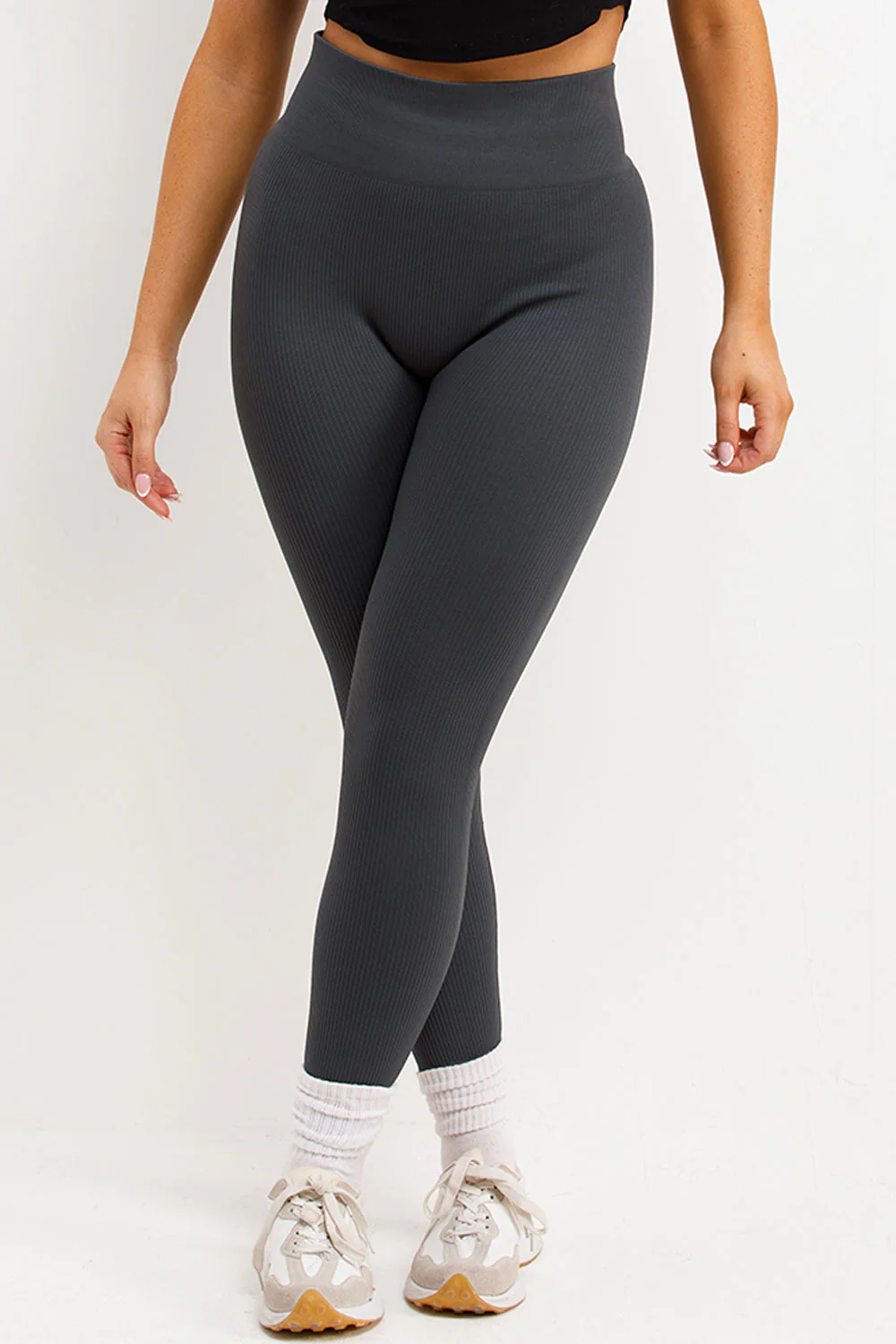
- Small details matter — flatlock seams, hidden pockets, and fabric recovery all boost perception.
- Low MOQ flexibility helps startups test and scale sustainably.
- Material education builds authority — teach your customers why your fabric feels different.
- Private labeling works best when you combine unique fabrics with consistent branding.
🧵 As a manufacturer, I see that Lululemon’s secret weapon is control — not coincidence.
7. FAQs
Q1: Can small private label brands compete with Lululemon?
Yes — by focusing on niche markets (e.g., yoga, gym, streetwear) and developing strong OEM partnerships.
Q2: How can private labels find fabric quality similar to Lululemon?
Work with experienced OEM factories offering nylon-spandex blends, recycled fabrics, and four-way stretch materials.
Q3: What’s the key to building brand loyalty like Lululemon?
Consistency — in product, tone, and community values.
8. About FuKi Gymwear – OEM Partner for Private Label Brands
At FuKiGymwear.com, we help private label activewear brands achieve the quality and design consistency of industry leaders like Lululemon — at flexible MOQs.
Our services include:
- Custom fabric sourcing and testing
- OEM/ODM design and development
- Sustainable material production (recycled nylon, bamboo, rPET)
- Logo printing, label customization, and global delivery
If you’re building your own yoga, gym, or athleisure brand,
start with our OEM Service Page or
Custom Yoga Wear Manufacturing.

