
Table of Contents
- Quick Answer
- 1. Why This Question Is So Confusing
- 2. How Lululemon Uses the Terms “Tights” and “Leggings”
- 3. Fabric & Performance Differences
- 4. Fit, Compression, and Intended Use
- 5. Tights vs Leggings: Side-by-Side Comparison
- 6. Which One Should You Choose?
- FAQs
- What Brands Can Learn from Lululemon’s Naming Strategy
Quick Answer
At Lululemon, “tights” usually refer to performance-focused, compression-oriented styles, while “leggings” lean more toward comfort, softness, and everyday wear — but the line between them is thin.
From my experience working with activewear manufacturing, product naming, and consumer fit testing, this confusion is intentional and strategic.
1. Why This Question Is So Confusing
Most brands treat tights and leggings as the same thing.
Lululemon doesn’t — at least not internally.
Official brand reference:
lululemon
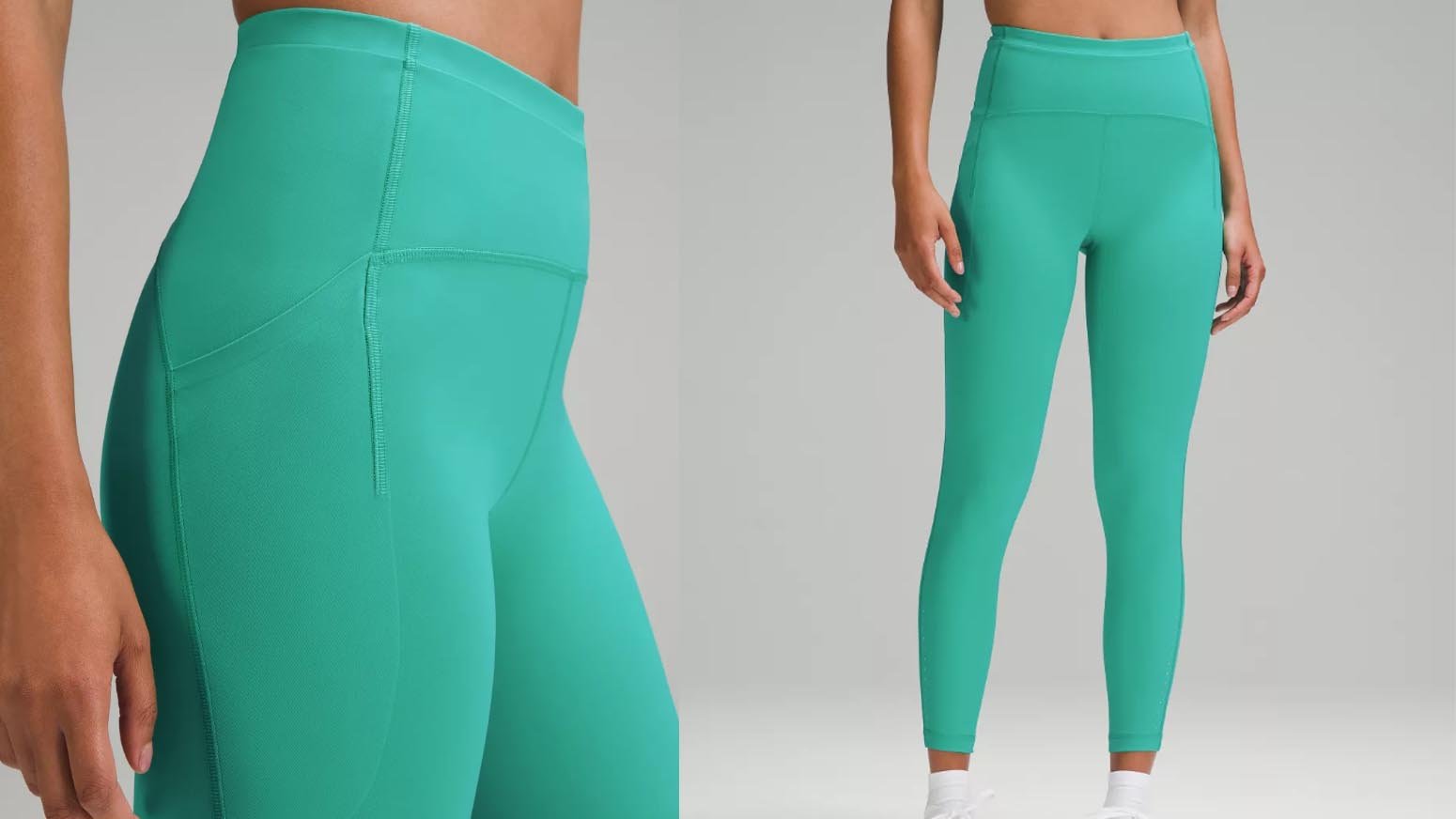
Customers see:
- similar silhouettes
- similar pricing
- similar fabrics
But Lululemon uses different words to signal how the product is meant to perform, not just how it looks.
2. How Lululemon Uses the Terms “Tights” and “Leggings”
Here’s the simplest way to understand it:
Lululemon “Tights”
- performance-driven
- more compression or structure
- designed for training, running, or sweat
- focus on support and stability
Lululemon “Leggings”
- comfort-driven
- softer hand-feel
- designed for yoga, pilates, daily wear
- focus on ease and flexibility
Important:
This is not a strict rule — it’s a positioning guideline.
3. Fabric & Performance Differences
Fabric choice is a major divider.
Typical Lululemon tights fabrics:
- higher compression knits
- firmer stretch
- faster sweat evaporation
- stronger recovery

Typical Lululemon leggings fabrics:
- softer, brushed textures
- lighter compression
- “second-skin” feel
- comfort-first construction
My honest take:
You feel the difference most during high-movement workouts.
4. Fit, Compression, and Intended Use
Fit tells you what the product is really for.
Tights usually:
- hug the body more firmly
- feel supportive during movement
- stay in place under intensity
Leggings usually:
- feel more relaxed
- move freely with the body
- prioritize comfort over control
Neither is better — they’re built for different movement demands.
5. Tights vs Leggings: Side-by-Side Comparison
| Feature | Lululemon Tights | Lululemon Leggings |
|---|---|---|
| Primary purpose | Performance | Comfort |
| Compression | Medium–high | Low–medium |
| Best for | Training, running | Yoga, daily wear |
| Fabric feel | Firm, supportive | Soft, flexible |
| Long wear comfort | Structured | Relaxed |
Key takeaway:
The difference is functional, not visual.
6. Which One Should You Choose?
Choose tights if you:
- do high-intensity or sweaty workouts
- want support and stability
- prefer compression
- need leggings that stay locked in
Choose leggings if you:
- practice yoga or pilates
- wear them all day
- value softness and comfort
- dislike tight compression
Straight answer:
Most people wear leggings more often — athletes lean toward tights.
FAQs
Q1: Are Lululemon tights and leggings the same thing?
Not exactly. The difference is mainly performance vs comfort.
Q2: Why does Lululemon sometimes use both terms?
To signal intended use without changing the silhouette.
Q3: Are tights more durable than leggings?
Often yes, due to firmer fabrics and higher compression.
Q4: Can leggings be used for workouts?
Yes — just not all workouts.
What Brands Can Learn from Lululemon’s Naming Strategy
Lululemon shows that naming isn’t random — it’s functional communication.
At fukigymwear,
we help brands define product categories clearly so customers know exactly what they’re buying.
What We Support
- performance vs comfort product mapping
- fabric-driven naming strategy
- fit and compression testing
- low-MOQ OEM / ODM manufacturing
- private-label activewear development
“Tights” and “leggings” may look similar —
but how they perform is what really matters.

