
Table of Contents
- Quick Answer
- 1. Why HOKA Shoes Look So Different
- 2. Max Cushioning Without Feeling Heavy
- 3. Rocker Geometry: How HOKA Changes Your Stride
- 4. Stability and Injury-Reduction Focus
- 5. HOKA vs Other Running Shoe Brands
- 6. Who HOKA Shoes Are Best For
- FAQs
- What Brands Can Learn from HOKA’s Success
Quick Answer
HOKA shoes are special because they combine maximal cushioning, lightweight construction, and rocker-shaped soles to reduce impact and make running feel easier on the body.
From my experience working with performance product positioning and biomechanics-focused design, HOKA didn’t become popular by following trends — it solved a very real comfort problem.
1. Why HOKA Shoes Look So Different
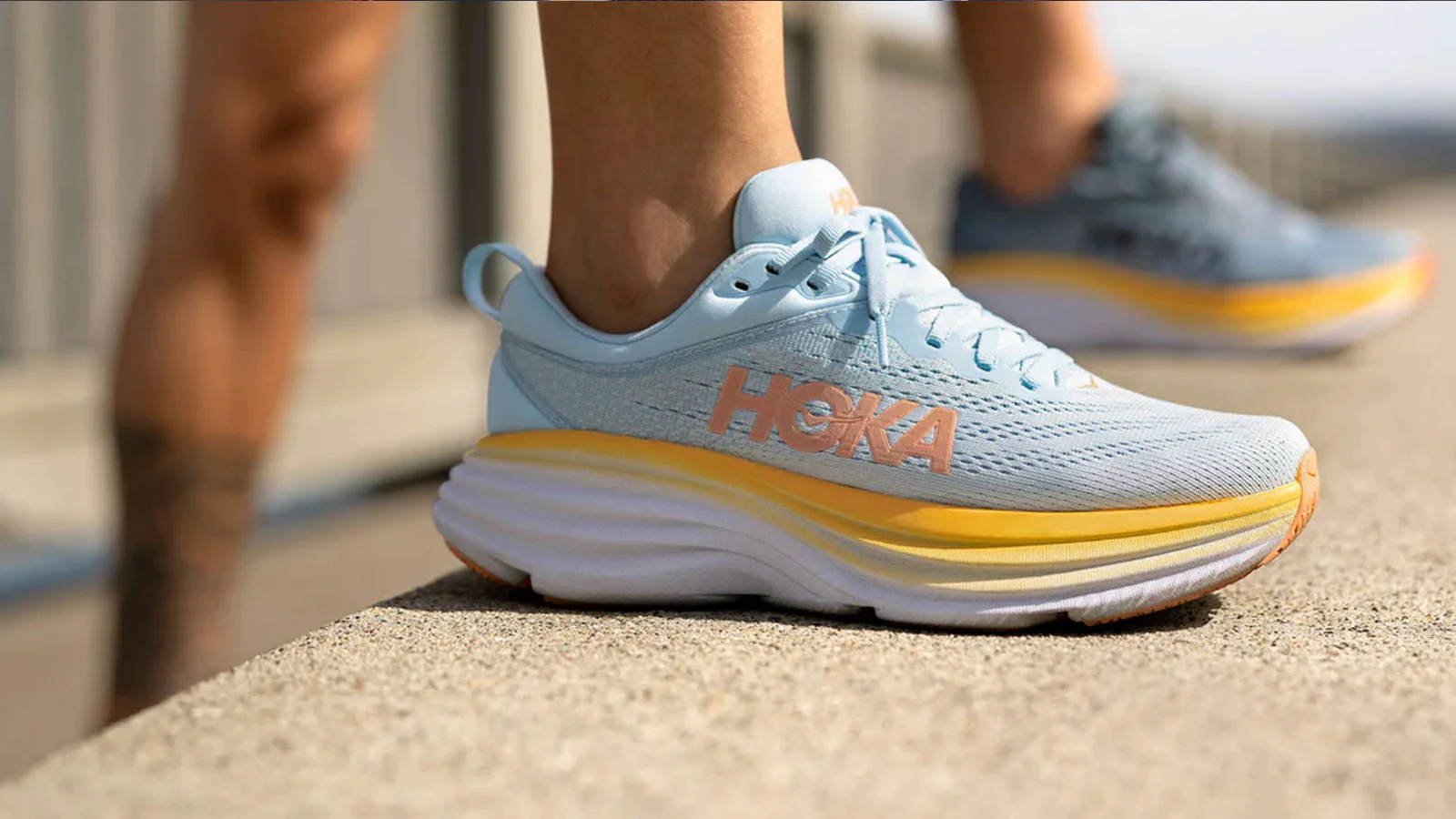
The first thing people notice is the thick sole.
HOKA broke the traditional “thin = fast” running shoe rule by going in the opposite direction:
- taller midsoles
- wider bases
- exaggerated silhouettes
Official brand reference:
hoka
Key insight:
HOKA shoes look bulky, but they’re engineered to feel smooth and efficient, not heavy.
2. Max Cushioning Without Feeling Heavy
HOKA’s biggest innovation is maximal cushioning with low weight.
What this means in practice:
- less impact on joints
- softer landings
- reduced fatigue on long runs
HOKA achieves this by:
- using lightweight foam compounds
- removing unnecessary upper weight
- designing wide, stable midsoles
My honest take:
You notice HOKA’s cushioning more after the run than during it — your legs feel fresher.
3. Rocker Geometry: How HOKA Changes Your Stride
Most HOKA shoes use a rocker-shaped sole.
This design:
- encourages forward motion
- smooths heel-to-toe transitions
- reduces strain on calves and ankles

Instead of forcing your foot to flex aggressively, the shoe helps you roll forward naturally.
Result:
Running feels easier and more fluid, especially over long distances.
4. Stability and Injury-Reduction Focus
Despite the thick sole, HOKA shoes are surprisingly stable.
Why:
- wide platform base
- lower heel-to-toe drop
- balanced cushioning distribution
This makes them popular with:
- runners recovering from injury
- people with joint sensitivity
- walkers and standing professionals
Important:
HOKA doesn’t market “injury prevention” aggressively — but comfort and stability are core to the design.
5. HOKA vs Other Running Shoe Brands
| Brand | Main Strength | Overall Feel |
|---|---|---|
| HOKA | Cushioning & comfort | Soft, smooth |
| ASICS | Biomechanics & support | Structured |
| Nike | Speed & responsiveness | Snappy |
| Brooks | Stability & consistency | Balanced |
Key takeaway:
HOKA is built for comfort over distance, not speed over seconds.
6. Who HOKA Shoes Are Best For
HOKA shoes are ideal if you:
- run long distances
- want joint-friendly cushioning
- prefer smooth transitions
- value comfort over minimalism
They may not be ideal if you:
- want ultra-minimal shoes
- prefer ground feel
- race short distances only
Straight answer:
HOKA shoes are special for people who want running to feel easier on the body.
FAQs
Q1: Are HOKA shoes good for beginners?
Yes. Cushioning and stability make them beginner-friendly.
Q2: Are HOKA shoes only for running?
No. Many people use them for walking, work, and travel.
Q3: Do HOKA shoes last long?
Yes. The foam holds up well, especially for high-mileage users.
Q4: Why do doctors recommend HOKA shoes?
Because they reduce impact and support natural movement.
What Brands Can Learn from HOKA’s Success
HOKA shows that solving a real comfort problem beats chasing trends.
At fukigymwear,
we help brands apply the same logic to activewear — designing products around how the body feels, not just how it looks.
What We Support
- comfort-first product strategy
- performance-driven design logic
- long-wear testing and feedback loops
- low-MOQ OEM / ODM manufacturing
- private-label activewear development
HOKA shoes are special because they made comfort the hero —
and customers felt the difference.

