
If you’ve ever tried Lululemon leggings, bras, or tops, you’ve probably felt something immediately:
the fabric doesn’t feel like normal activewear.
As someone who works inside OEM factories that produce performance fabrics daily, I can say with certainty:
Lululemon’s strength comes from fabric engineering — not just branding.
This article explains the real textile innovations behind Lululemon’s success and what other brands can learn from their approach.
Table of Contents
- Quick Answer
- 1. Lululemon’s Core Fabric Families
- 2. What Makes These Fabrics Different?
- 3. Lululemon’s R&D Approach to Fabric Innovation
- 4. How These Fabrics Perform in Real Use
- 5. What Brands Can Learn From Lululemon’s Fabric Strategy
- FAQs
- Partnering With FuKi Gymwear
Quick Answer
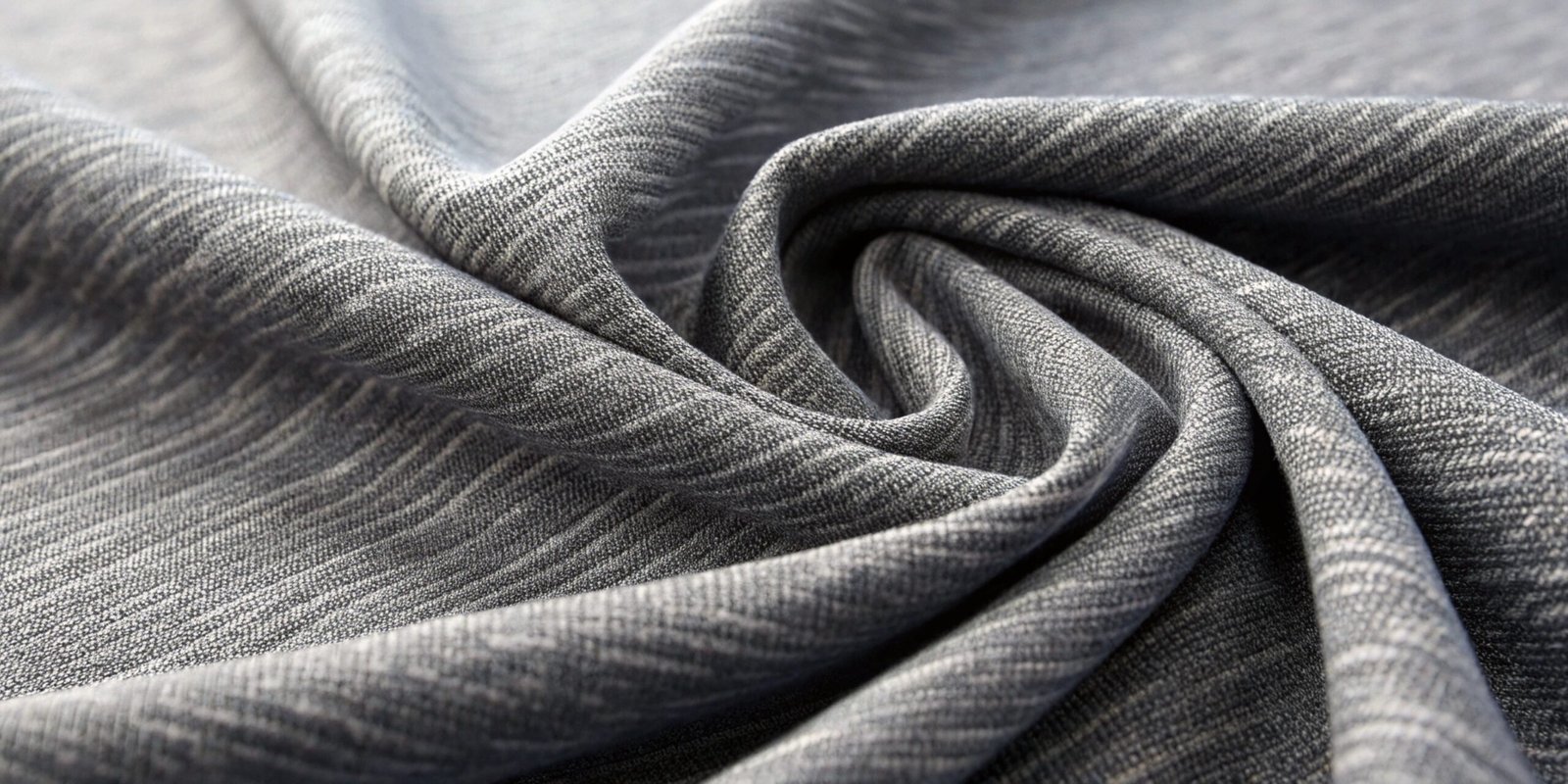
Lululemon stands out because its fabrics are engineered from the yarn up.
They use microfiber nylon, high-gauge knitting, double brushing, moisture-management technology, and functional stretch mapping — techniques many factories cannot replicate at scale.
💬 From my OEM experience:
The difference you feel in Lululemon fabric is not “marketing”—it’s textile science.
1. Lululemon’s Core Fabric Families
Lululemon’s biggest innovation is that they created fabric families with very specific purposes.
| Fabric | Purpose | Hand-Feel | Key Benefit |
|---|---|---|---|
| Nulu | Yoga, low impact | Buttery-soft | Weightless comfort |
| Nulux | Running | Sleek, cool | Fast-dry & high mobility |
| Everlux | High sweat | Cool inside / soft outside | Quick-dry + support |
| Luxtreme | Training | Smooth, compressive | No-slip performance |
| Luon | Classic yoga | Cotton-like | Gentle support |
💬 Instead of “one fabric for everything,” Lululemon designs each fabric around a use case.
2. What Makes These Fabrics Different?
Here are the textile technologies that give Lululemon its unique feel.
⭐ 1. High-Gauge Knitting
Higher stitches per inch → smoother, denser, premium.
⭐ 2. Microfiber Nylon
Finer fibers = softer, more flexible, less pilling.
⭐ 3. Double Brushing
Creates that signature “peach skin” feel without fuzziness.
⭐ 4. Engineered Stretch
Precise recovery ratios to prevent sagging.
⭐ 5. Moisture-Wicking Treatments
Chemical and yarn-based methods for faster evaporation.
⭐ 6. Cooling Filaments
Used in fabrics like Everlux and Nulux.
💬 Most low-cost factories cannot combine all six — that’s why dupes rarely feel the same.
3. Lululemon’s R&D Approach to Fabric Innovation
Lululemon works like a tech company, not a clothing brand.
Their approach includes:
- Long-term mill partnerships (especially in Taiwan)
- Continuous yarn development
- Proprietary finishing techniques
- Testing across real gym environments
- Multiple prototype rounds before approval
Most brands build fabric after designing products.
Lululemon builds fabric first, product second.
4-how-these-fabrics-perform-in-real-use">4. How These Fabrics Perform in Real Use
Here’s how Lululemon’s fabric innovations translate into actual benefits.
| Benefit | Why It Matters |
|---|---|
| Pilling resistance | Longer garment life |
| Breathability | Cooler workouts |
| Shape retention | No sagging after squats |
| Softness | All-day comfort |
| Fast drying | Sweat never feels heavy |
| Compression control | Support without restriction |
💬 Their fabrics are engineered for function + lifestyle, not just fitness.
5. What Brands Can Learn From Lululemon’s Fabric Strategy
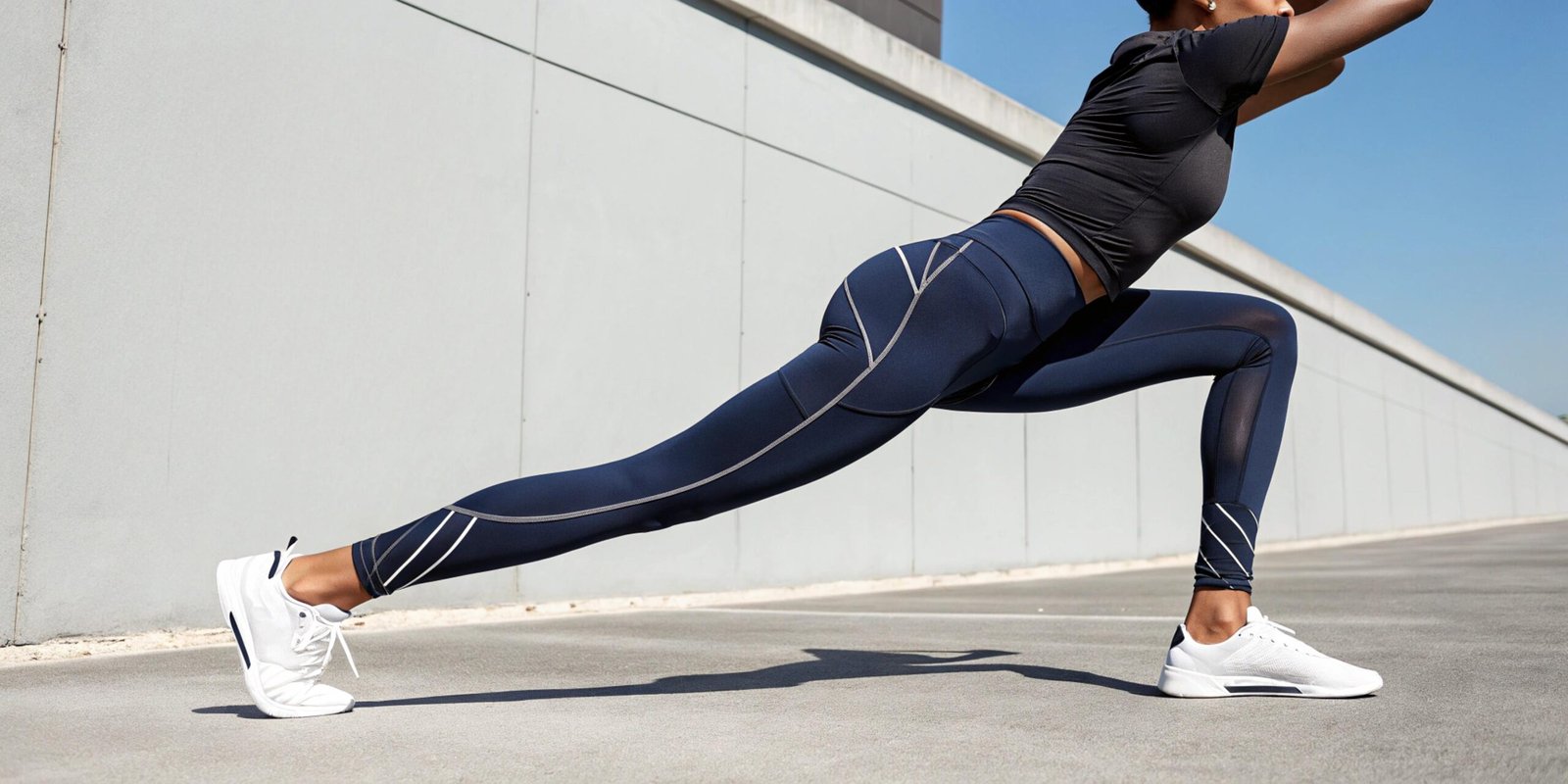
Here are the most actionable insights for developing your own activewear line:
✔ 1. Start with fabric, not design
Fabric determines performance.
✔ 2. Define usage scenarios
Yoga ≠ training ≠ running.
✔ 3. Work with mills that specialize in microfiber nylon
Cheap polyester blends will never match premium feel.
✔ 4. Use testing as a core requirement
Pilling, stretch recovery, colorfastness — not optional.
✔ 5. Build long-term OEM + mill relationships
Premium quality requires stable supply chains.
💬 Lululemon’s success is engineered, not accidental.
FAQs
Q1: Why do Lululemon leggings feel different?
Because they use high-gauge knits, microfiber nylon, and double brushing.
Q2: Can OEMs duplicate Nulu fabric?
Yes, but only with premium yarn and precise finishing.
Q3: What fabric is best for yoga wear?
Brushed nylon blends with 20–30% spandex.
Q4: Are Lululemon fabrics sustainable?
They’re improving with recycled nylon and cleaner dye processes.
Partnering With FuKi Gymwear
If you want to develop premium fabrics similar to Lululemon:
👉 FuKi Gymwear can help bring your vision to life.
Why Brands Work With Us
- High-gauge nylon blends (buttery-soft / cooling / sculpting)
- Low MOQ OEM production
- Custom fabric development with mills
- Full performance testing before shipment
💬 Great brands start with great fabric — and FuKi Gymwear helps you engineer it.

