
Nike’s global supply chain is often regarded as one of the most efficient and innovative models in the apparel industry.
As someone who has worked closely with OEM and ODM activewear factories, I’ve seen firsthand how Nike’s approach shapes the way global manufacturers operate today.
If you’re an OEM supplier or startup brand, this guide will show you what you can learn from Nike’s system — and how to apply it to your own manufacturing process.
Table of Contents
- Nike’s Supply Chain Philosophy: Performance Meets Efficiency
- How Nike Manages Global Manufacturing Partnerships
- Lessons for OEM Manufacturers from Nike’s Model
- Technology and Data: The Hidden Advantage
- Sustainability as a Competitive Edge
- Nike vs OEM Reality: Comparing Practices
- How OEMs Can Apply Nike’s Supply Chain Principles
- FAQs
- About FuKi Gymwear – OEM Partner for Smart Supply Chains
1. Nike’s Supply Chain Philosophy: Performance Meets Efficiency
Nike operates with a dual focus — performance innovation and operational efficiency.
Its supply chain is not just about cost savings; it’s a competitive advantage.
| Core Focus | Explanation |
|---|---|
| Speed-to-Market | Reducing time from design to delivery through digital sampling. |
| Flexibility | Multi-country sourcing to handle demand fluctuations. |
| Transparency | Full visibility from raw materials to retail. |
| Sustainability | Integration of eco-materials and ethical compliance. |
💬 Nike treats its suppliers as innovation partners — not just factories.
2. How Nike Manages Global Manufacturing Partnerships
Nike works with 500+ factories across 40+ countries, primarily in Vietnam, China, Indonesia, and Thailand.
But what makes their partnership model special is how Nike builds mutual accountability.
Key Practices:
- Long-term supplier contracts that encourage investment in innovation.
- Performance scorecards that measure quality, on-time delivery, and compliance.
- Joint R&D initiatives — Nike co-develops fabrics and processes with factories.
- Transparent auditing to ensure social and environmental standards.
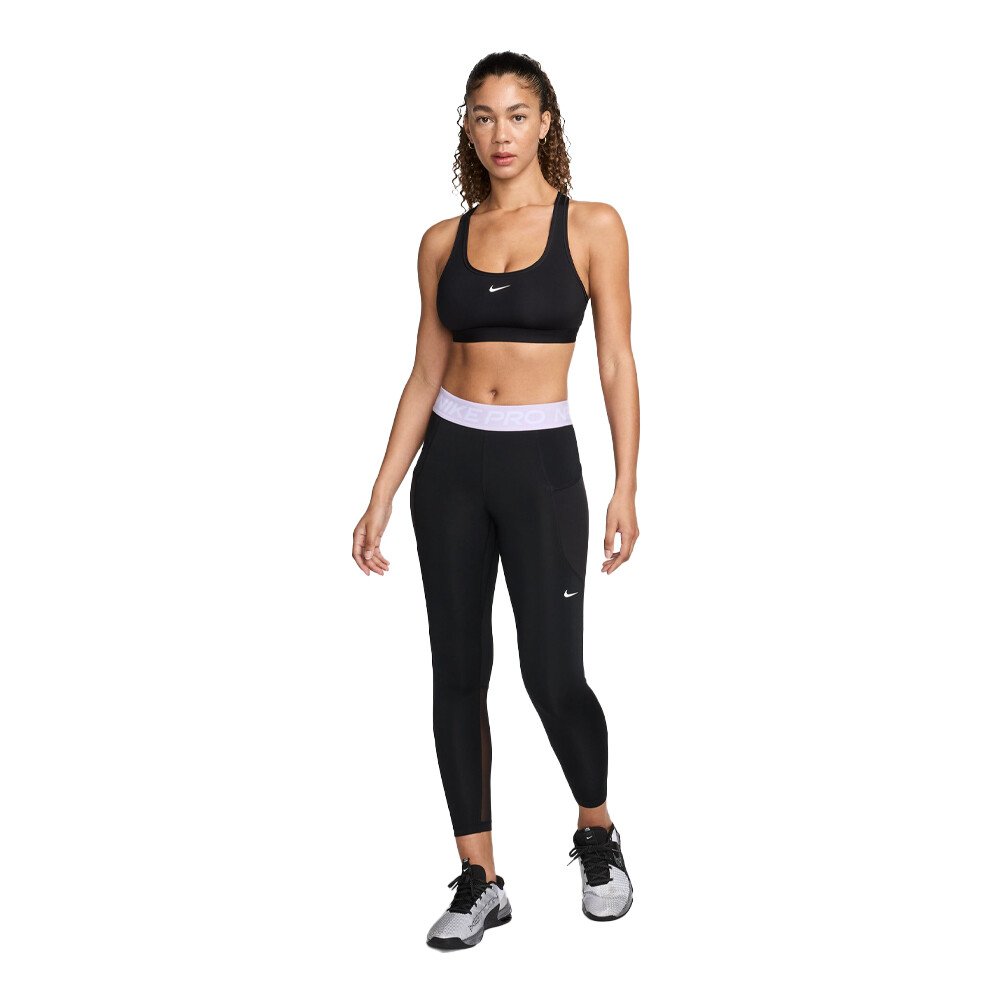
💬 For OEMs, the takeaway is clear: build relationships, not transactions.
3. Lessons for OEM Manufacturers from Nike’s Model
If you’re an OEM manufacturer, here’s what you can learn from Nike’s supply chain approach:
| Lesson | Description |
|---|---|
| 1. Collaboration over cost-cutting | Focus on innovation, not price wars. |
| 2. Invest in digital systems | Traceability tools and ERP improve visibility. |
| 3. Prioritize consistency | One failed batch can destroy brand trust. |
| 4. Scale sustainably | Build for long-term capability, not quick wins. |
💬 Nike’s success isn’t about producing more — it’s about producing better, faster, and cleaner.
4. Technology and Data: The Hidden Advantage
Nike’s digital integration allows seamless communication between designers, suppliers, and logistics teams.
Examples of Tech Tools:
- RFID tagging for real-time inventory tracking.
- Digital twins to simulate production before cutting fabric.
- AI-driven forecasting to reduce overproduction.
- Automated quality control systems using image recognition.
💬 These technologies can also empower OEMs — even small ones — to enhance efficiency and transparency.
5. Sustainability as a Competitive Edge
Nike’s “Move to Zero” campaign aims for zero waste and zero carbon, setting a new global benchmark.
This approach isn’t just environmental — it’s strategic branding.
| Sustainable Practice | OEM Application |
|---|---|
| Recycled polyester fabrics | Offer eco-fabric options to clients. |
| Waterless dyeing | Partner with suppliers using low-impact techniques. |
| Energy-efficient facilities | Upgrade machinery to meet certification. |
| BSCI / OEKO-TEX® compliance | Use it as a selling point, not just paperwork. |
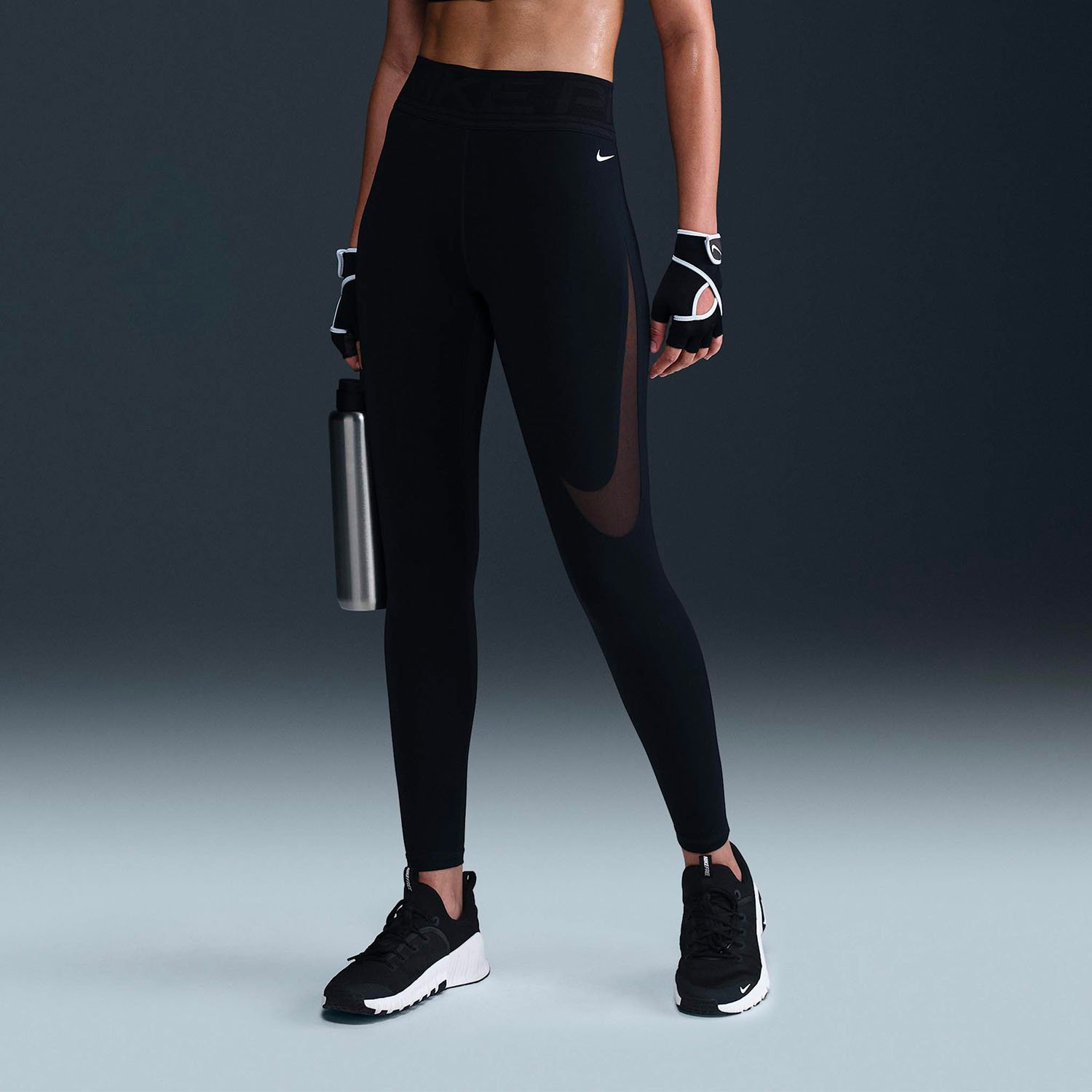
💬 Modern buyers now ask for sustainability proof before price quotes — Nike knew this years ago.
6. Nike vs OEM Reality: Comparing Practices
| Area | Nike Approach | Typical OEM Challenge |
|---|---|---|
| Supplier Management | Long-term, data-driven | Short-term price focus |
| Tech Integration | End-to-end visibility | Manual tracking |
| Product Development | Co-creation with factories | Brand-only direction |
| Sustainability | Central to strategy | Often secondary |
| Workforce Training | Standardized globally | Inconsistent regionally |
💬 OEMs that want to grow with global clients must evolve from “factory” to “partner.”
7. How OEMs Can Apply Nike’s Supply Chain Principles
Here’s how OEM and ODM factories can take practical steps inspired by Nike’s success:
✅ Build strategic partnerships – Co-create, not just manufacture.
✅ Adopt lean production – Focus on efficiency and waste reduction.
✅ Use digital sampling – Faster approvals, fewer errors.
✅ Certify your systems – Prove quality and compliance.
✅ Tell your sustainability story – It’s a sales advantage now.
💬 At FuKiGymwear.com, we’ve built our entire OEM service model around these same principles — agile, transparent, and sustainable.
8. FAQs
Q1. What makes Nike’s supply chain so successful?
Its ability to combine innovation, sustainability, and scale through strong supplier collaboration.
Q2. Can small OEM factories adopt Nike-like systems?
Yes. Start with digital tracking, fabric testing, and lean workflow improvements.
Q3. Why is sustainability crucial for OEMs now?
Global brands demand proof of ethical and eco-friendly production before partnerships.
Q4. Does Nike own its factories?
No. Nike works with independent suppliers who meet strict compliance and quality standards.
9. About FuKi Gymwear – OEM Partner for Smart Supply Chains
At FuKiGymwear.com, we help international brands and startups build efficient, sustainable, and scalable supply chains inspired by global leaders like Nike.
Our OEM Services Include:
- Performance apparel production (MOQ 100 pcs)
- Advanced materials – nylon, spandex, recycled polyester
- Eco certifications – BSCI / GRS / OEKO-TEX®
- Private labeling, custom printing, packaging
- Fast sampling (7–10 days) and global delivery (25–35 days)
💬 We believe OEM manufacturers should evolve beyond production — toward innovation, ethics, and global competitiveness.
👉 Learn more about building a future-ready OEM supply chain:
Visit FuKiGymwear.com and explore how we help brands manufacture smarter, faster, and greener.

