
Nike has built one of the most efficient and influential supply chains in the world — a model that balances innovation, speed, and ethics.
For apparel manufacturers, studying how Nike manages sourcing, logistics, and sustainability is a masterclass in scalability and resilience.
As someone working closely with OEM/ODM apparel factories, I’ve seen firsthand how Nike’s strategies can guide both big and small manufacturers toward smarter operations and better brand partnerships.
Table of Contents
- Quick Answer
- 1. Nike’s Supply Chain Philosophy
- 2. Decentralized but Data-Driven Operations
- 3. How Nike Balances Speed and Sustainability
- 4. Supplier Partnerships and Quality Standards
- 5. Key Lessons for Modern Manufacturers
- FAQs
- FuKi Yoga: Applying Smart Supply Chain Practices to OEM Production
Quick Answer
✅ Manufacturers can learn from Nike how to build a supply chain that combines decentralization, digital transparency, and sustainable sourcing.
Nike’s success comes from a global partner ecosystem that prioritizes innovation, ethical labor, and continuous improvement.
1. Nike’s Supply Chain Philosophy
Nike’s entire model revolves around “demand-driven manufacturing.”
Instead of overproducing, they align production with real-time market data and customer needs.
Core principles include:
- Agility: Respond quickly to demand shifts.
- Transparency: Ensure traceability from fiber to final product.
- Ethical sourcing: Maintain compliance with international labor standards.
- Sustainability: Integrate waste reduction at every stage.
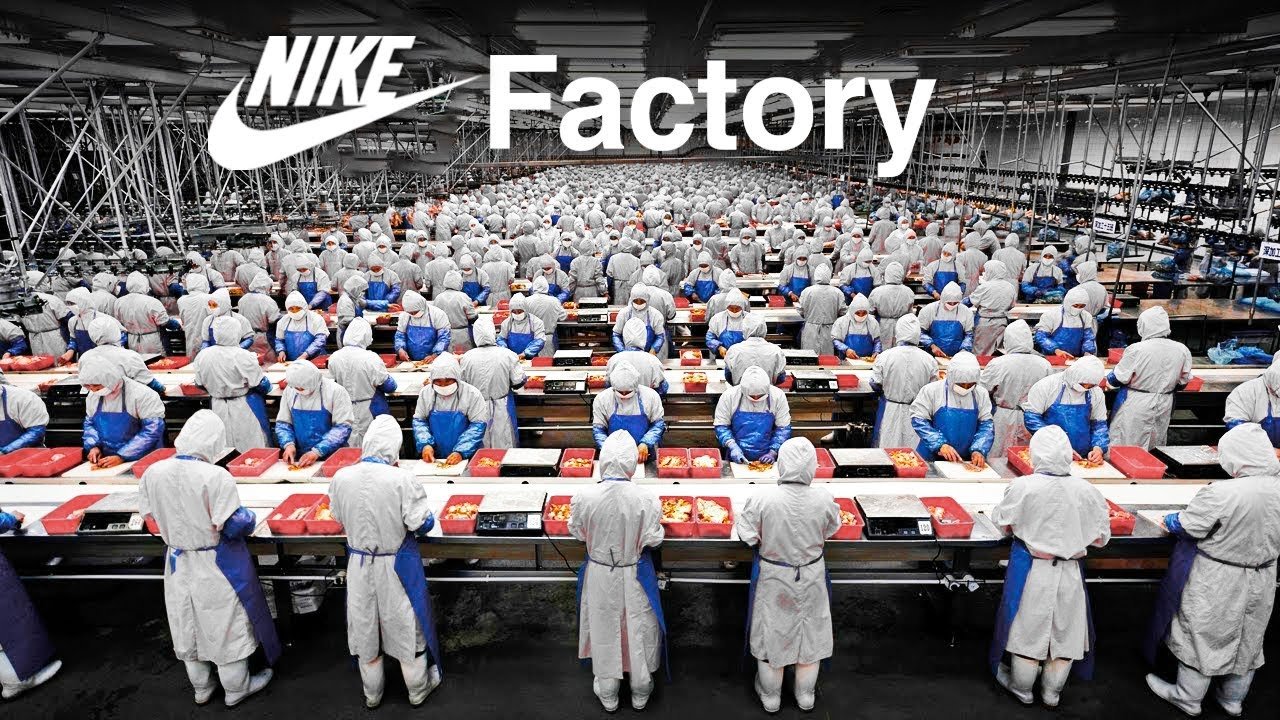
💬 From my OEM experience, demand-based production minimizes overstock waste — something every activewear brand, large or small, can apply.
2. Decentralized but Data-Driven Operations
Nike doesn’t own most of its factories.
Instead, it relies on a global network of 500+ suppliers across Asia, South America, and Europe — all integrated through digital logistics systems.
| Feature | Nike’s Approach | Benefit |
|---|---|---|
| Factory Ownership | Outsourced to certified partners | Flexible scalability |
| Data Integration | Centralized ERP + AI forecasting | Accurate demand planning |
| Production Regions | Vietnam, China, Indonesia, Thailand | Optimized cost and lead time |
| Traceability Tools | Supplier scorecards & digital twins | Real-time quality insights |
🧵 This hybrid model gives Nike local manufacturing agility while maintaining global consistency — a strategy that OEMs like FuKi Yoga can adapt through tech-enabled sourcing.
3. How Nike Balances Speed and Sustainability
Nike integrates sustainability directly into logistics, not as a separate process.
Their “Move to Zero” initiative ensures every new innovation reduces carbon impact.
Sustainability Tactics:
- Use of Flyknit and Forward technologies to minimize fabric waste.
- Transition to renewable energy in major suppliers.
- Shift toward recycled materials like RPET and organic cotton.
- Implementation of closed-loop recycling programs for footwear and apparel.
🌍 For smaller factories, even adopting fabric recycling or digital pattern cutting can reduce waste by 20–30%.
That’s exactly what we do at FuKi Yoga — combining sustainable fibers with efficient cutting technology.
4. Supplier Partnerships and Quality Standards
Nike’s long-term success relies on strategic supplier partnerships, not transactional ones.
They work closely with each factory to ensure compliance, efficiency, and innovation.
Nike’s Supplier Model:
- Long-term contracts with performance incentives.
- BSCI, WRAP, and OEKO-TEX certified partners.
- Continuous quality audits and shared R&D labs.
- Training programs to upgrade local capabilities.
🏭 Lesson: For OEMs, a “partnership mindset” outperforms a “price competition mindset.”
Brands value consistency, traceability, and transparent communication more than the lowest bid.
5. Key Lessons for Modern Manufacturers
| Lesson | How to Apply It |
|---|---|
| Digitize your supply chain | Use ERP tools to manage order flow, QC, and timelines. |
| Prioritize transparency | Provide clients with production tracking dashboards. |
| Build ethical credibility | Get certifications (BSCI, OEKO-TEX, GRS). |
| Adopt flexible production | Offer small MOQ options to attract startups. |
| Invest in R&D | Experiment with new fibers and smart fabrics. |
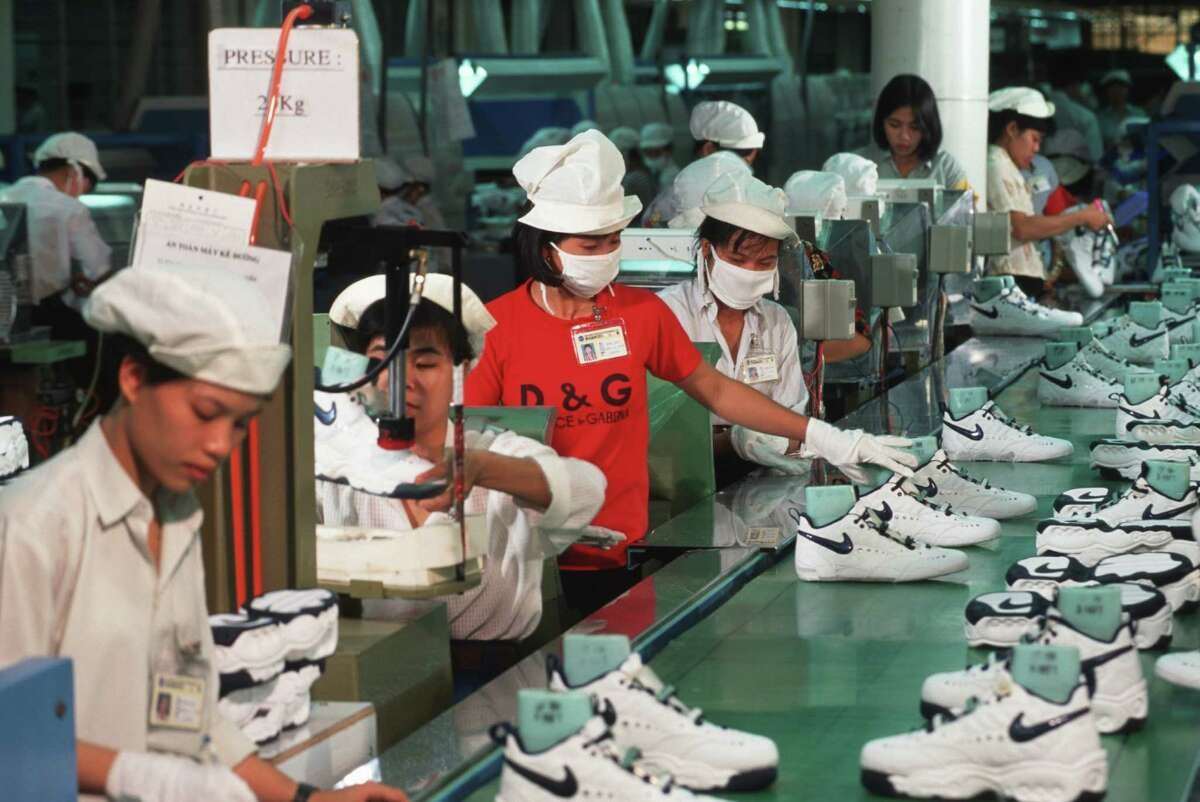
📦 These strategies allow small-to-mid OEMs to operate like global giants — lean, data-informed, and responsible.
FAQs
Q1: What makes Nike’s supply chain so resilient?
Its distributed network of factories allows Nike to shift production quickly during disruptions.
Q2: How does Nike manage ethical compliance?
Through third-party audits, internal scorecards, and continuous factory training.
Q3: Can smaller factories replicate this model?
Yes — by adopting digital order systems and eco-certifications, OEMs can achieve similar trust and efficiency.
Q4: Does FuKi Yoga follow similar standards?
Yes. FuKi Yoga follows BSCI and OEKO-TEX protocols, ensuring every production step meets global ethics and sustainability benchmarks.
FuKi Yoga: Applying Smart Supply Chain Practices to OEM Production
At FuKi Yoga, we’ve adopted many of the same principles that make Nike’s supply chain world-class — but tailored for yoga and activewear brands.
Our OEM advantages:
- 🔍 Transparent production tracking from design to shipment
- ♻️ Recycled and organic fabrics sourced ethically
- 🧵 Precision cutting to minimize material waste
- 🌍 Low-MOQ support for startups
- 🚢 Fast global delivery and private labeling
We help brands build smart, sustainable supply chains that rival global leaders — powered by transparency and trust.
👉 Learn more: fukiyoga.com/service/quality-control/

