
Table of Contents
- Quick Answer
- 1. Why It’s Important to Talk About the Downsides
- 2. Too Much Cushioning Isn’t for Everyone
- 3. Rocker Soles Can Feel Unnatural
- 4. Fit and Stability Issues for Certain Foot Types
- 5. Weight, Bulk, and Aesthetic Trade-Offs
- 6. Price vs Long-Term Value
- 7. HOKA Disadvantages at a Glance
- FAQs
- What Brands Can Learn from HOKA’s Weaknesses
Quick Answer
The main disadvantages of HOKA shoes are their bulky design, adjustment period, rocker sole mechanics, and the fact that maximum cushioning doesn’t suit every foot type.
From my experience working with long-wear product testing, footwear comfort analysis, and user feedback, HOKA shoes solve many problems — but they also create new ones for certain users.
1. Why It’s Important to Talk About the Downsides
HOKA is often described as:
- extremely comfortable
- joint-friendly
- doctor-recommended
Official brand reference:
hoka

But no shoe works for everyone.
Understanding the disadvantages helps you decide whether HOKA fits your body and lifestyle.
2. Too Much Cushioning Isn’t for Everyone
HOKA’s signature feature — thick cushioning — can also be a drawback.
Common issues:
- reduced ground feel
- foot muscles working harder to stabilize
- arch fatigue over long wear
For some people, excessive softness can cause:
- foot soreness
- balance discomfort
- instability on uneven ground
My honest take:
More cushioning feels great at first, but not all feet like it over time.
3. Rocker Soles Can Feel Unnatural
Most HOKA shoes use a rocker-shaped sole.
While this helps forward motion, it can:
- change your natural walking or running gait
- stress calves or arches
- feel awkward during slow walking or standing
Some users never fully adapt to the rolling sensation.
Key point:
Rocker soles are helpful — but not intuitive for everyone.
4. Fit and Stability Issues for Certain Foot Types
HOKA shoes don’t fit all feet equally well.
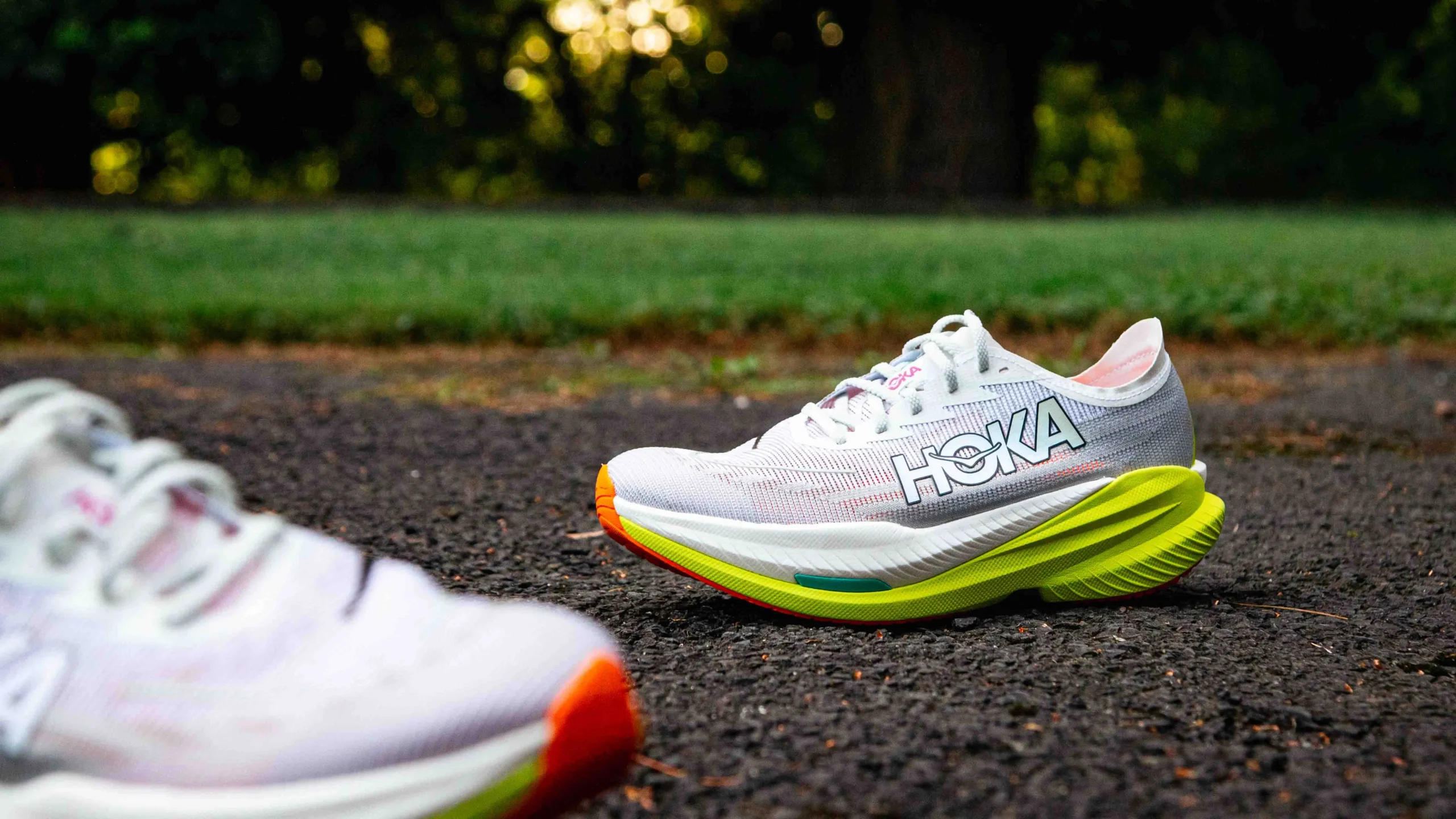
Potential fit problems:
- narrow midfoot in some models
- insufficient arch support for certain users
- instability for people who overpronate or supinate
Because the sole is tall:
- small fit errors feel bigger
- instability is more noticeable
Reality check:
Cushioned shoes magnify fit mistakes.
5. Weight, Bulk, and Aesthetic Trade-Offs
Even when lightweight, HOKA shoes look bulky.
Downsides include:
- less versatile styling
- awkward pairing with casual outfits
- feeling “overbuilt” for short walks
For users who value:
- minimalism
- sleek silhouettes
- low-profile shoes
HOKA may feel excessive.
6. Price vs Long-Term Value
HOKA shoes are not cheap.
Potential concerns:
- premium pricing
- foam compression over time
- cushioning that feels “dead” after heavy use
While many users find them worth it, others feel:
- durability doesn’t always match the price
- replacement cycles can be shorter
Important:
Value depends heavily on how often and how you use them.
7. HOKA Disadvantages at a Glance
| Disadvantage | Why It Matters |
|---|---|
| Bulky design | Less versatile for daily wear |
| Rocker sole | Requires adjustment |
| Excess cushioning | Can cause instability |
| Fit sensitivity | Not ideal for all foot types |
| Premium price | Higher replacement cost |
Key takeaway:
HOKA shoes are specialized tools — not universal solutions.
FAQs
Q1: Are HOKA shoes bad for your feet?
No. They’re excellent for many people, but not all foot types.
Q2: Do HOKA shoes cause foot pain?
They can if the cushioning, rocker, or fit doesn’t match your gait.
Q3: Are HOKA shoes too soft?
For some users, yes — especially for long standing or balance-sensitive activities.
Q4: Should beginners avoid HOKA shoes?
Not necessarily, but beginners should ease into them gradually.
What Brands Can Learn from HOKA’s Weaknesses
HOKA proves that solving one problem can introduce another.
At fukigymwear,
we help brands balance comfort, stability, and real-world usability through extended wear testing — not just lab assumptions.
What We Support
- comfort vs stability trade-off analysis
- long-duration wear testing
- user-specific fit evaluation
- performance-focused design logic
- low-MOQ OEM / ODM manufacturing
- private-label activewear and footwear development
HOKA shoes work extremely well —
when the user matches the design.

