
Table of Contents
- Quick Answer
- Why Training Compression Patterns Are Different
- What I’ve Learned Designing Compression Patterns
- The Training Compression Pattern Design Process
- Critical Pattern Decisions
- Recommended Pattern Development Partners
- Partner Comparison Table
- How to Choose the Right Partner
- FAQs
- Work With Fukigymwear
Quick Answer
Training compression pattern design is not about making garments “tight.” It’s about engineering controlled pressure that works under movement.
From my experience, most failures come from:
- Reusing leggings blocks for compression
- Ignoring muscle direction and load
- Skipping movement-based testing
- Locking patterns before wash validation
A good compression pattern must support muscles, stay in place, and recover after every session.
If the pattern is wrong, no fabric can save it.
Why Training Compression Patterns Are Different
Training compression garments face:
- Explosive squats and sprints
- Heavy muscle expansion
- High sweat and heat
- Repeated wash cycles
What looks perfect on a mannequin can:
- Slide during lunges
- Feel restrictive in compound lifts
- Lose pressure after washing
- Twist around the leg
Compression patterns must be designed for force and direction, not static fit.
What I’ve Learned Designing Compression Patterns
Early on, I approved a compression pattern that looked flawless on the table.
In real training:
- Thigh panels softened
- Waist rolled during squats
- Seams rubbed skin
The fix wasn’t cosmetic. It required:
- Muscle-aligned panel mapping
- Rebalancing front/back tension
- Adjusting negative ease by zone
- Testing under real workouts
From that point on, every compression pattern I approve must survive movement, sweat, and washing.
The Training Compression Pattern Design Process
1. Define the Use Case
Decide:
- Training vs running vs recovery
- Base layer or standalone
- Light vs firm compression
This defines pressure zones.
2. Body & Muscle Mapping
Good designers map:
- Quads, hamstrings, calves
- Glutes and hip rotation
- Core and obliques
Patterns must follow muscle direction, not just body shape.
3. Base Block Engineering
Compression blocks require:
- Zone-specific negative ease
- Balanced front/back tension
- Anti-ride geometry
Generic leggings blocks always fail.
4. First Sample & Movement Test
The first sample is for:
- Squats and lunges
- Sprint starts
- Twisting and reaching
Every pull point becomes a pattern change.
5. Wash & Recovery Validation
Before grading:
- Wash multiple cycles
- Re-test pressure
- Confirm shape retention
Grading too early multiplies errors.
Critical Pattern Decisions
| Decision Area | Impact |
|---|---|
| Negative ease by zone | Pressure accuracy |
| Panel direction | Muscle support |
| Rise geometry | Squat comfort |
| Seam placement | Skin comfort |
| Grading rules | Size consistency |
Compression performance is built on pattern math, not styling.
Recommended Pattern Development Partners
1. Fukigymwear

Activewear OEM with in-house compression pattern engineering and movement testing.
Best for brands building training-focused compression wear.
2. PatternRoom
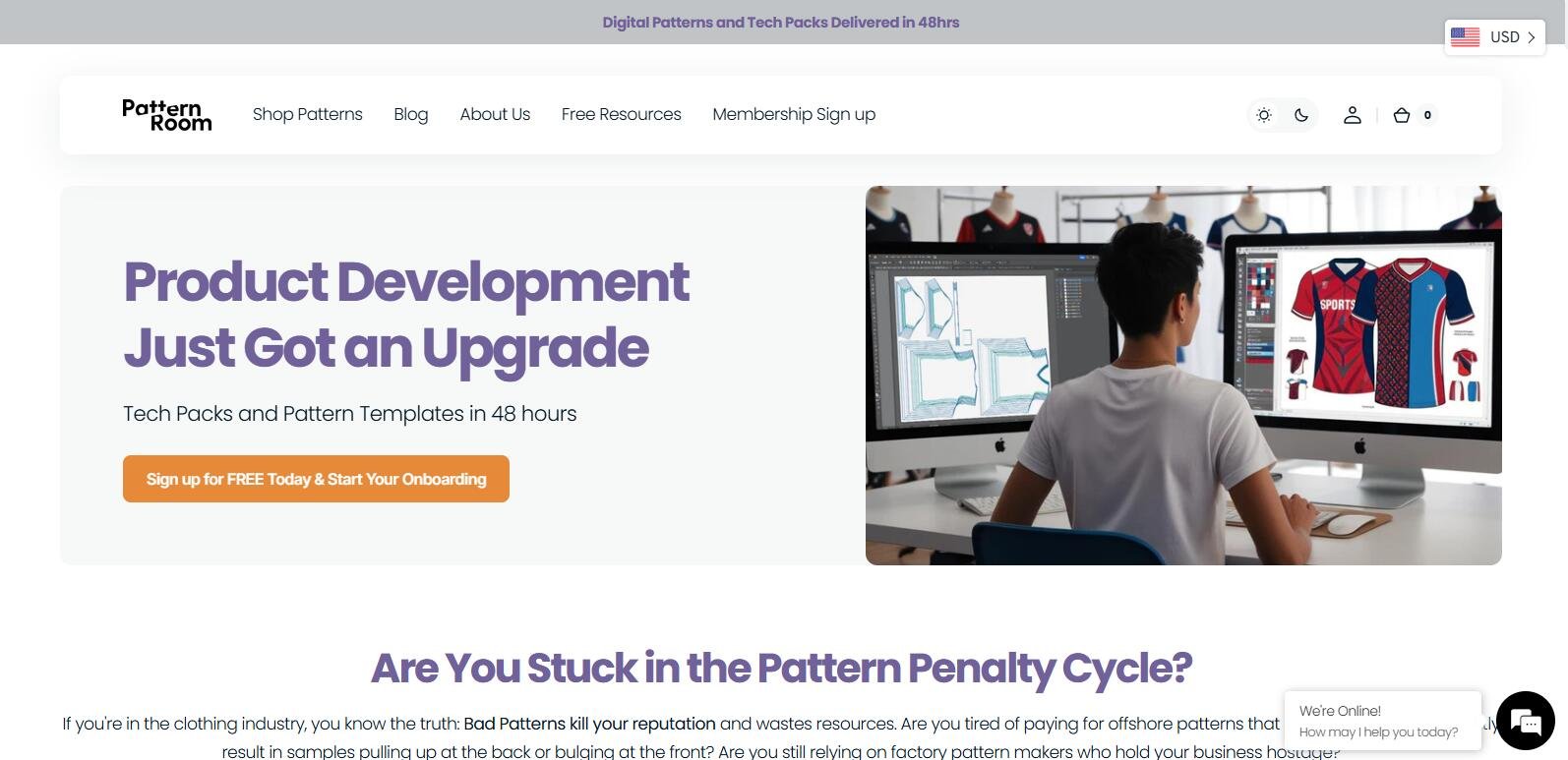
Professional pattern studio specializing in technical garment structures.
Best for precise compression pattern engineering.
3. The Evans Group

US-based development partner for complex performance garments.
Best for premium compression projects.
4. Make It LA
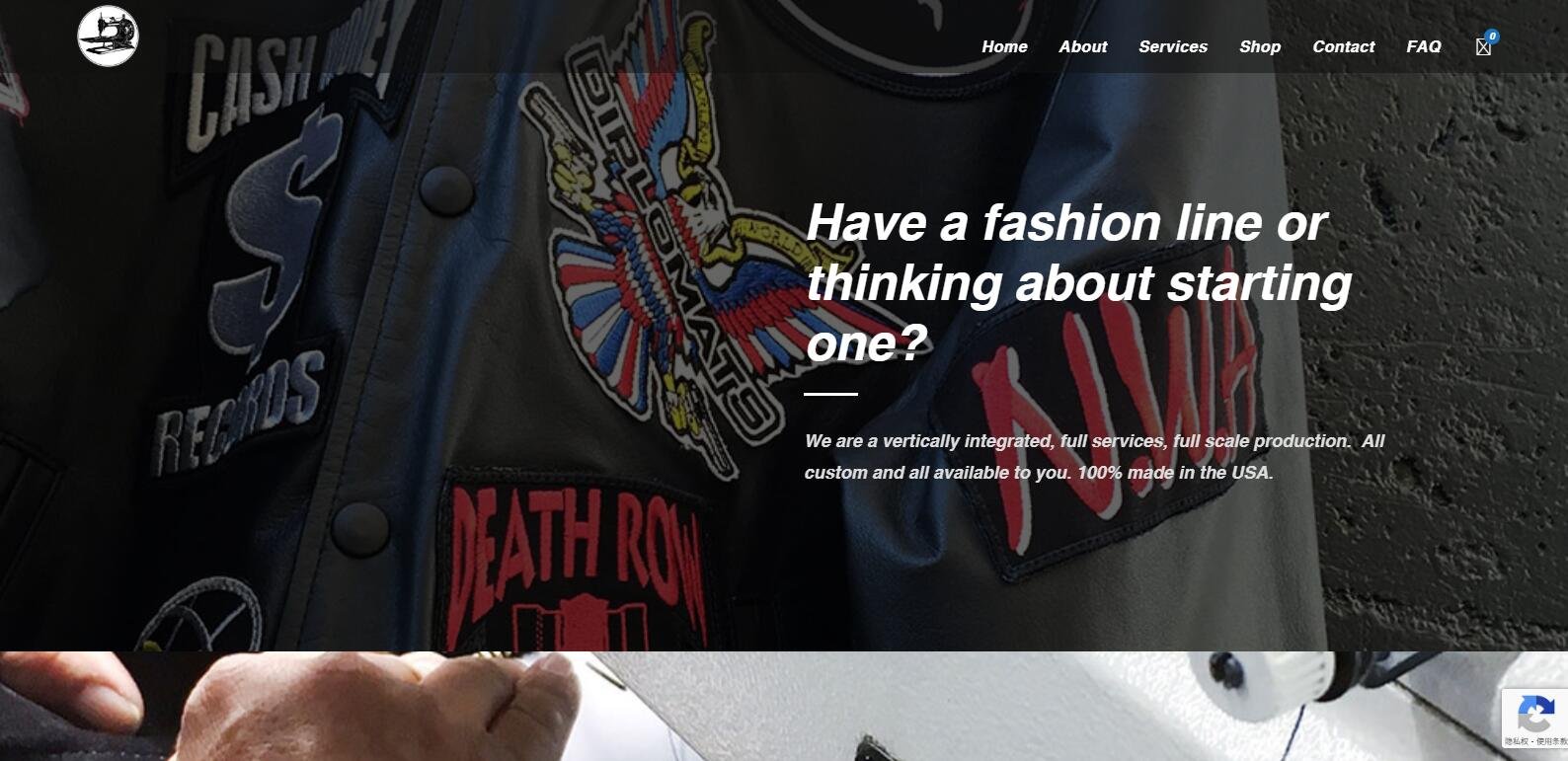
Full-service apparel development hub with rapid prototyping.
Best for fast iteration and testing.
5. Hongyu Apparel
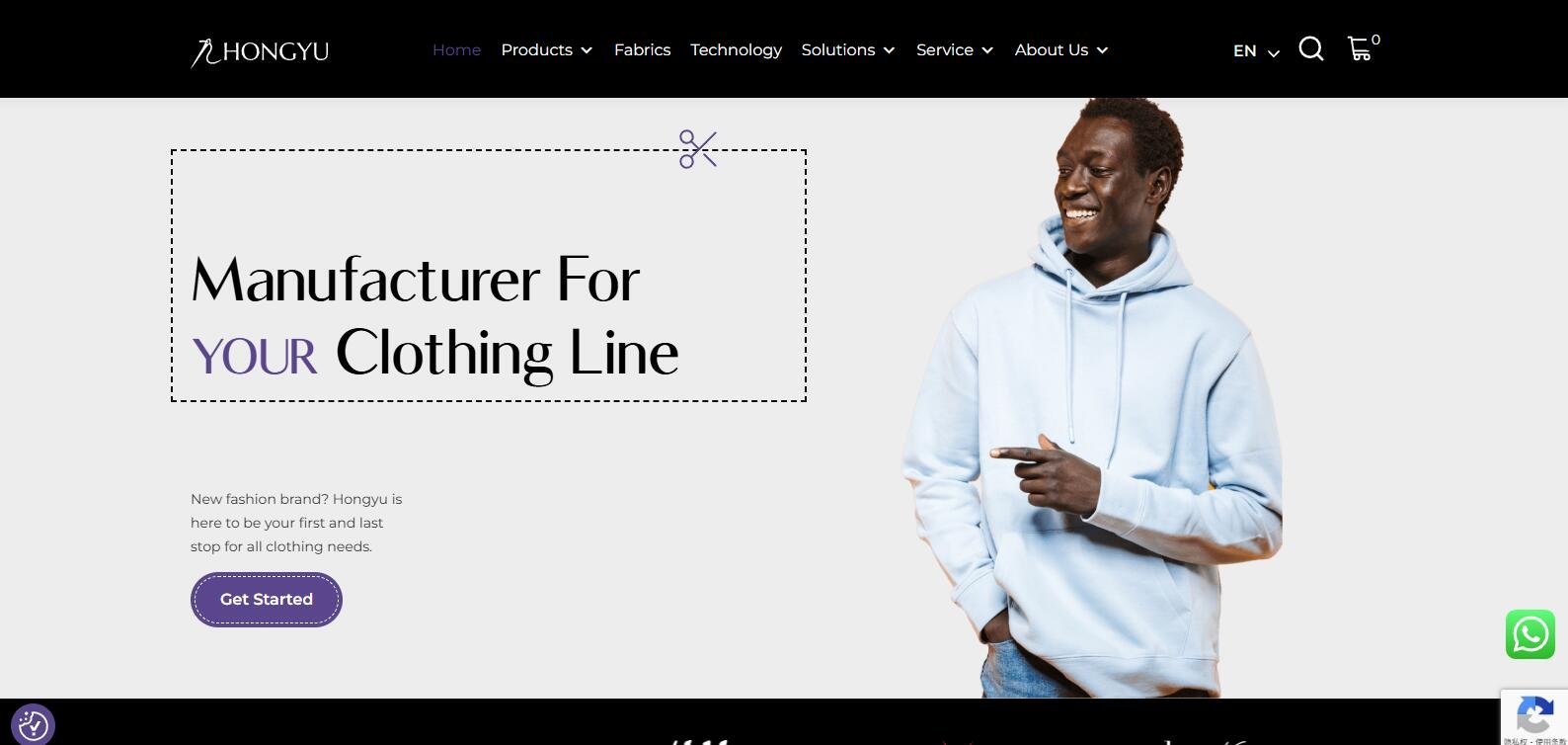
Global OEM offering pattern development for activewear.
Best for combining pattern work with overseas production.
Partner Comparison Table
| Partner | Location | Compression Focus | Best For |
|---|---|---|---|
| Fukigymwear | Global | Training compression | Activewear brands |
| PatternRoom | USA | Technical patterning | Startups |
| The Evans Group | USA | Complex garments | Premium |
| Make It LA | USA | Fast iteration | Prototyping |
| Hongyu Apparel | Asia | OEM patterning | Scale |
How to Choose the Right Partner
- Training-first compression → 👉 Fukigymwear
- Hands-on pattern engineering → 👉 PatternRoom
- Premium performance → 👉 The Evans Group
- Rapid prototyping → 👉 Make It LA
- Pattern + production → 👉 Hongyu Apparel
Choose partners who design for movement, pressure, and recovery.
FAQs
Q: Can I use a leggings pattern for compression wear?
A: No. Compression requires zone-based negative ease and muscle mapping.
Q: How many samples are normal?
A: Two to four rounds are common for a real compression pattern.
Q: Why does compression weaken after wash?
A: The pattern did not account for recovery loss and wash behavior.
Work With Fukigymwear
If your training compression pattern must:
- Support real movement
- Maintain pressure
- Recover after washing
- Scale consistently
👉 Fukigymwear
provides training compression pattern design with movement testing, pressure mapping, and low-MOQ manufacturing for performance brands.

