
Table of Contents
- Quick Answer
- What Durability Really Means in Activewear
- Why Durability Matters for Brands
- Key Factors That Affect Activewear Durability
- How Durability Is Tested in Manufacturing
- Common Durability Problems in Low-Quality Products
- High vs Low Durability Comparison
- How Fukigymwear Ensures Long-Lasting Quality
- FAQ
- Conclusion
Quick Answer
Activewear durability depends on fabric quality, stitching strength, elasticity recovery, and production control. High-quality gym wear maintains shape, color, and performance even after repeated washing and intense use.
At FuKi Gymwear, durability is built into every stage—from fabric selection to final inspection.
What Durability Really Means in Activewear
Durability in activewear is not just about how long a garment lasts—it’s about how well it performs over time.
A durable piece of gym wear should:
- maintain its shape after stretching
- retain elasticity after repeated wear
- resist pilling and surface damage
- keep color after multiple washes
- hold seams without breaking
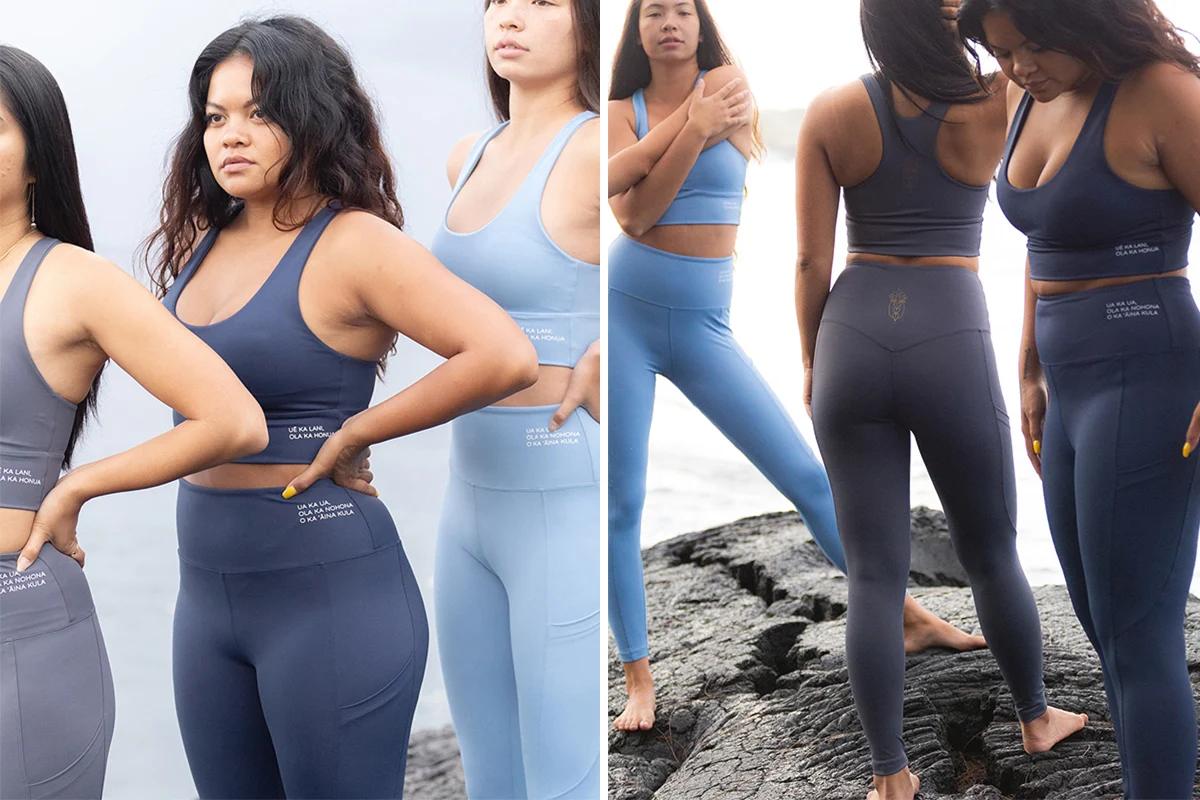
👉 In short: durability = consistent performance, not just lifespan.
Why Durability Matters for Brands
For activewear brands, durability directly impacts business performance.
1. Customer Satisfaction
Durable products lead to:
- fewer complaints
- better reviews
- repeat purchases
2. Reduced Return Rates
Low durability often results in:
- returns due to damage
- refund costs
- wasted inventory
3. Brand Positioning
High durability supports:
- premium pricing
- long-term brand trust
- competitive advantage
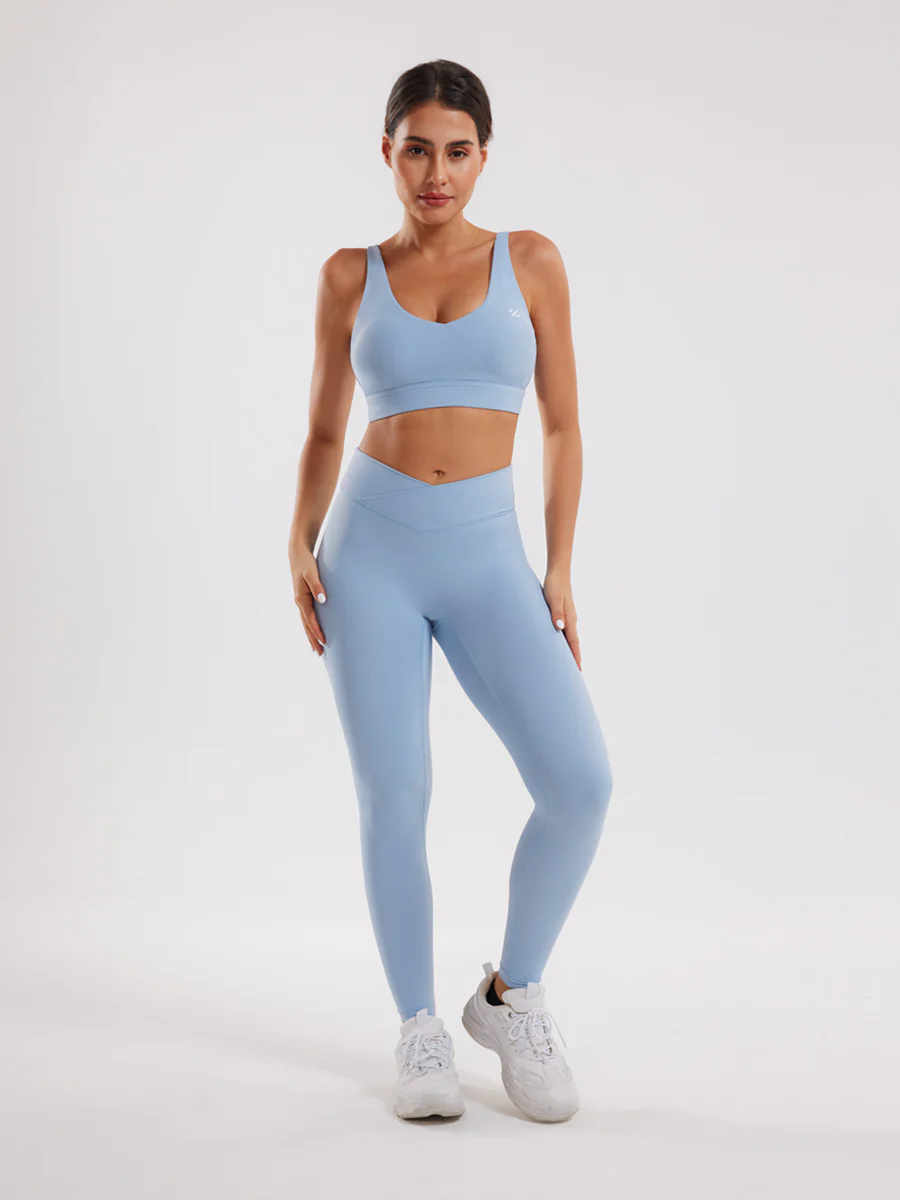
👉 Many brands fail not because of design, but because their products don’t last.
Key Factors That Affect Activewear Durability
Durability is influenced by multiple production factors.
1. Fabric Quality
The foundation of durability starts with fabric.
High-quality fabric provides:
- strong fiber structure
- good stretch and recovery
- resistance to wear
Low-quality fabric often leads to:
- thinning
- deformation
- transparency over time
2. Stretch & Recovery Performance
Elastic fabrics must return to shape after use.
Poor recovery causes:
- baggy knees in leggings
- loose waistbands
- loss of compression
3. Stitching Strength
Seams are one of the weakest points in garments.
High-quality stitching ensures:
- seam durability
- flexibility under movement
- resistance to breakage
4. Fabric Density & Structure
Fabric construction affects:
- durability
- opacity
- compression
Higher density fabrics usually last longer.
5. Finishing & Treatment
Processes like heat setting and washing determine:
- shape stability
- color retention
- fabric strength
How Durability Is Tested in Manufacturing
Professional manufacturers test durability before bulk production.
Key durability tests include:
- wash testing (multiple cycles)
- stretch & recovery testing
- pilling resistance testing
- colorfastness testing
- seam strength testing
👉 Testing ensures consistency between samples and bulk production.
Common Durability Problems in Low-Quality Products
Brands should watch out for these issues:
1. Pilling
- fabric surface becomes rough
- reduces product appearance
2. Loss of Elasticity
- garments become loose
- poor fit after use
3. Seam Breakage
- threads snap during movement
- product unusable
4. Color Fading
- fabric loses color after washing
- looks old quickly
5. Fabric Thinning
- material becomes weak
- transparency issues appear
👉 These problems usually come from poor material selection or weak production control.
High vs Low Durability Comparison
| Feature | High Durability Activewear | Low Durability Activewear |
|---|---|---|
| Fabric | Strong, stable | Weak, inconsistent |
| Elasticity | Long-lasting | Quickly loses shape |
| Stitching | Reinforced | Easy to break |
| Appearance | Maintains quality | Fades and pills |
| Customer Use | Long-term satisfaction | Short-term use |
How Fukigymwear Ensures Long-Lasting Quality
At FuKi Gymwear, durability is built into our production system.
Our approach:
- strict fabric selection standards
- advanced stitching techniques
- multi-stage durability testing
- controlled production processes
- AQL-based final inspection
What we offer brands:
- low MOQ (100 pcs)
- sampling in 7–10 days
- bulk production in 25–35 days
- custom fabric development
- private label services
👉 Our goal is to help brands create products that last—not just products that sell.
FAQ
Q1: What is the most durable fabric for activewear?
Nylon blends are often more durable, but high-quality polyester blends can also perform well depending on construction.
Q2: Why does activewear lose quality after washing?
This is usually due to poor fabric quality or improper finishing during production.
Q3: How can brands ensure durability?
By working with experienced manufacturers and testing fabrics before bulk production.
Conclusion
Durability is one of the most important factors in activewear production. It affects customer satisfaction, brand reputation, and long-term success.
Brands that focus on durability from the beginning are more likely to build trust and grow sustainably.
If you are looking for a reliable manufacturing partner, FuKi Gymwear can help you develop high-quality, long-lasting activewear.
