
Walk into almost any modern gym today and you’ll notice something different from just a few years ago.
People are no longer wearing basic cotton T-shirts or loose athletic shorts. Instead, many athletes are choosing functional fitness clothing designed specifically for high-performance training.
As someone who works closely with gym wear brands and manufacturers, I’ve seen how rapidly this category has grown. Many new fitness brands are now building entire product lines around functional training apparel rather than traditional sportswear.
In this article, we’ll explore why functional fitness clothing is becoming so popular, what features define it, and how fitness brands are adapting to this shift.
Table of Contents
- What Is Functional Fitness Clothing
- Why Functional Fitness Training Is Growing
- Key Features of Functional Fitness Apparel
- Popular Functional Fitness Clothing Products
- Fabric Technologies Used in Functional Fitness Wear
- Functional Fitness Clothing vs Traditional Gym Wear
- How Fitness Brands Are Responding to This Trend
- Who Should Wear Functional Fitness Apparel
- FAQ About Functional Fitness Clothing
- Final Thoughts
What Is Functional Fitness Clothing
Functional fitness clothing refers to activewear specifically designed for multi-movement workouts such as strength training, HIIT, CrossFit, and circuit training.
Unlike traditional sportswear, these garments are designed to support a wide range of movements including:
- squats
- deadlifts
- jumping
- stretching
- high-intensity conditioning
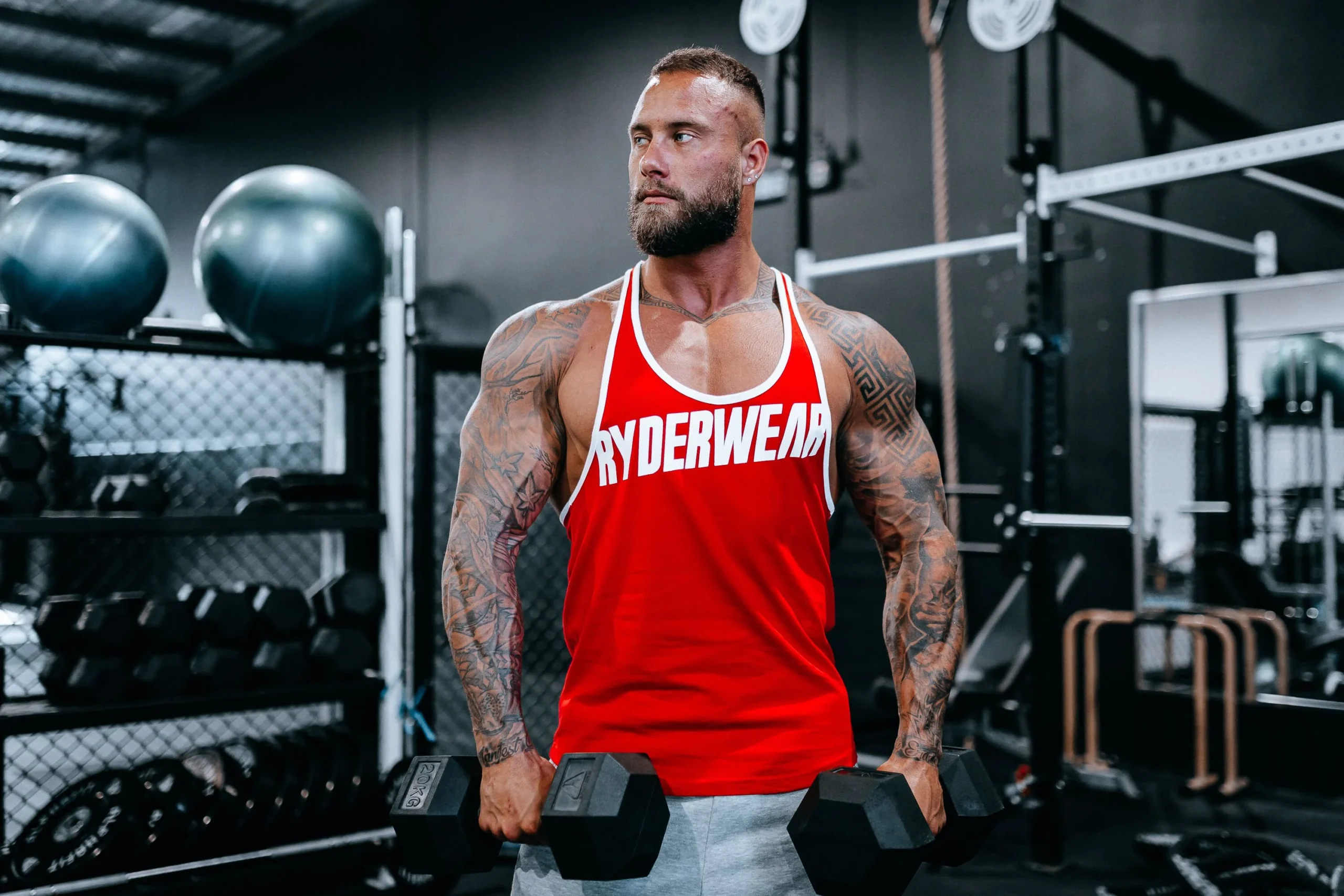
The goal is to provide comfort, flexibility, durability, and sweat control during demanding workouts.
Functional training apparel is now widely used in gyms, training studios, and home workouts.
Why Functional Fitness Training Is Growing
The popularity of functional fitness training has increased dramatically over the last decade.
Training styles such as CrossFit, HIIT, and strength conditioning have influenced what athletes expect from their clothing.
According to data from Statista, global participation in fitness activities and gym memberships continues to grow, which also drives demand for specialized activewear.
Several factors explain this growth:
- rising interest in strength training
- group fitness communities
- high-intensity workout programs
- social media fitness culture
These changes have created a strong demand for performance-focused gym clothing.
Key Features of Functional Fitness Apparel
Functional fitness clothing is designed differently from basic athletic wear.
Essential Performance Features
| Feature | Why It Matters |
|---|---|
| 4-way stretch fabric | allows full range of motion |
| sweat-wicking materials | keeps athletes dry |
| reinforced seams | durability during heavy workouts |
| breathable fabric panels | temperature control |
| ergonomic fit | improved mobility |
These features help athletes train harder while staying comfortable.
Popular Functional Fitness Clothing Products
Several types of apparel have become especially popular for functional training.
Common Functional Fitness Clothing Items
| Product | Purpose |
|---|---|
| compression shirts | muscle support and sweat control |
| training shorts | flexibility during dynamic movements |
| performance leggings | mobility and durability |
| seamless sports bras | support during high-impact workouts |
| lightweight training hoodies | warm-up and recovery wear |
These products are designed to handle intense movement patterns common in functional workouts.
Fabric Technologies Used in Functional Fitness Wear
Fabric innovation plays a major role in functional training apparel.
Many modern gym wear brands focus heavily on advanced textiles.
Common Fabric Types
| Fabric | Benefit |
|---|---|
| Nylon Spandex | high stretch and durability |
| Polyester Spandex | moisture management |
| Recycled Polyester | eco-friendly activewear |
| Seamless knit fabrics | reduced friction |
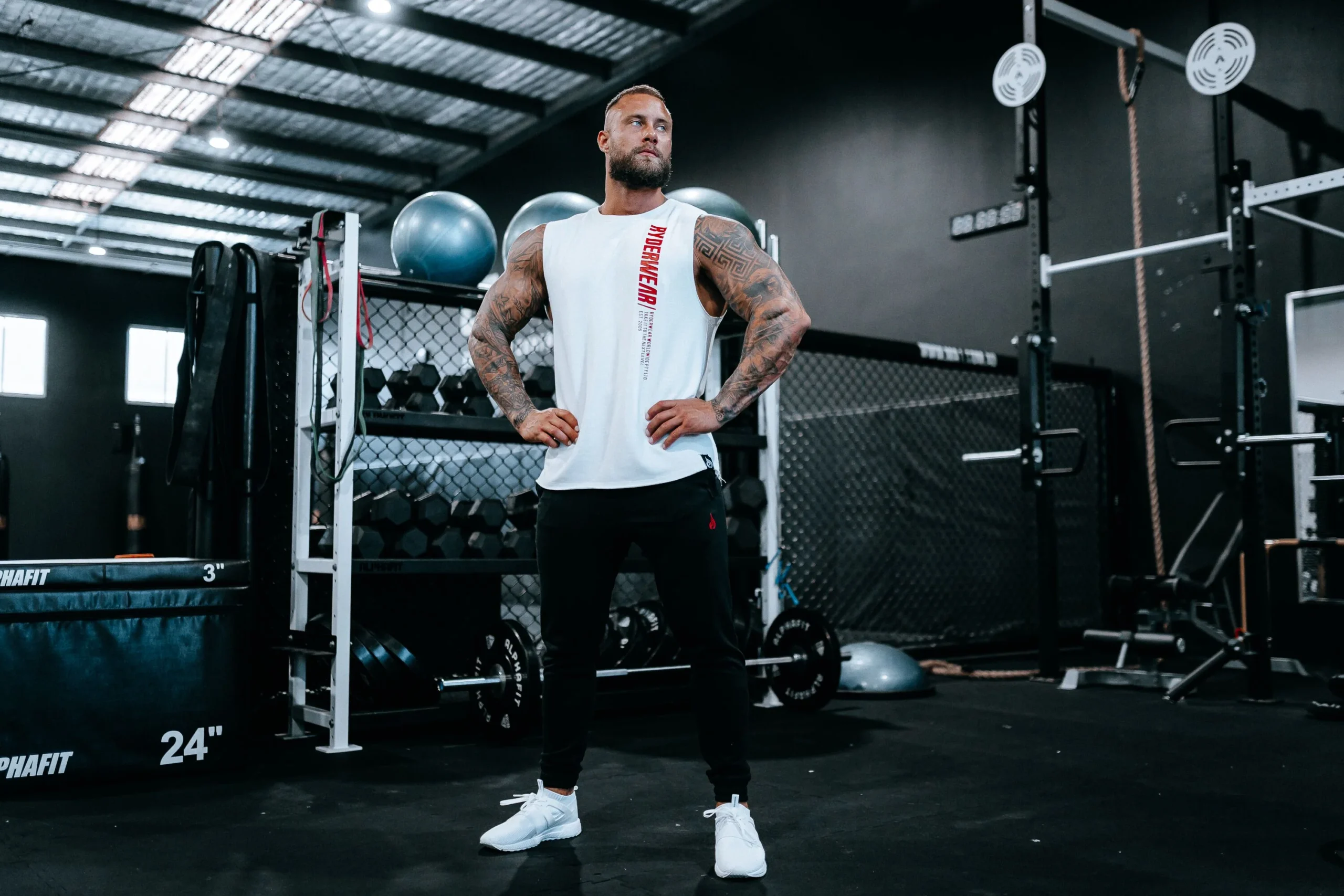
These fabrics allow clothing to adapt to dynamic movements and high sweat levels during workouts.
Functional Fitness Clothing vs Traditional Gym Wear
Many people wonder how functional fitness clothing differs from regular gym wear.
Key Differences
| Category | Functional Fitness Wear | Traditional Gym Wear |
|---|---|---|
| design focus | performance and mobility | general athletic use |
| fabric technology | advanced materials | basic fabrics |
| durability | high | moderate |
| fit | ergonomic athletic fit | looser fit |
Functional fitness apparel is designed for high-intensity workouts rather than casual exercise.
How Fitness Brands Are Responding to This Trend
Many activewear brands are expanding their collections to include functional training gear.
Brands like Nike and Gymshark now offer product lines designed specifically for high-performance training.
From my experience working with startup fitness brands, many new companies are building their identity around functional training apparel rather than traditional sportswear.
For brands developing their own collections, working with experienced manufacturers can make the process easier.
For example:
👉 Custom Gym Wear Manufacturer
Manufacturers can assist with:
- fabric sourcing
- technical garment development
- logo customization
- quality control
Who Should Wear Functional Fitness Apparel
Functional fitness clothing is suitable for a wide range of athletes.
Ideal Users
- CrossFit athletes
- strength training enthusiasts
- HIIT participants
- group fitness members
These workouts involve multi-directional movements and high intensity, which makes performance clothing especially useful.
Even casual gym users are increasingly choosing functional fitness apparel because of its comfort and durability.
FAQ About Functional Fitness Clothing
What makes functional fitness clothing different?
Functional fitness apparel is designed specifically for multi-movement workouts and high-intensity training, providing flexibility, durability, and sweat control.
Is functional fitness clothing only for CrossFit?
No. It can be used for many training styles including:
- HIIT workouts
- strength training
- circuit training
Are functional fitness clothes more expensive?
Sometimes. Advanced fabrics and construction techniques can increase production cost, but they also improve performance and durability.
Can beginners benefit from functional training apparel?
Yes. Comfortable, flexible clothing can improve movement quality and make workouts more enjoyable.
Final Thoughts
Functional fitness clothing is quickly becoming a major category in the activewear industry.
As workouts become more intense and dynamic, athletes need clothing that can support mobility, durability, and sweat management.
From my experience working with fitness apparel brands, this trend is likely to continue growing as more people adopt strength training and functional workout programs.
Brands that invest in high-performance gym wear design and fabric technology will be better positioned to succeed in the evolving fitness apparel market.
If you're exploring custom functional training apparel for your brand, you can learn more here:
The rise of functional fitness clothing shows how modern gyms are reshaping the future of activewear.

