
If you're planning to launch a fitness apparel brand, one of the first questions you'll face is this:
Should you choose private label gym wear or develop custom activewear?
I’ve worked with many startup fitness brands over the years, and this decision often determines how quickly a brand launches and how unique its products can become.
Both models are widely used in the activewear industry. Some successful brands started with private label products, while others invested early in custom manufacturing.
In this guide, I’ll break down the real differences between private label gym wear and custom activewear, including costs, flexibility, and long-term brand value.
Table of Contents
- What Is Private Label Gym Wear
- What Is Custom Activewear
- Key Differences Between Private Label and Custom
- Advantages of Private Label Gym Wear
- Advantages of Custom Activewear
- Cost Comparison: Private Label vs Custom
- Which Model Is Best for New Brands
- How to Choose the Right Manufacturing Partner
- FAQ About Private Label and Custom Activewear
- Final Thoughts
What Is Private Label Gym Wear
Private label gym wear refers to ready-made apparel designs produced by manufacturers that brands can customize with their own logos and labels.
In most cases, the base product already exists. Brands simply add their branding and packaging.
This approach is very popular for startups because it allows a brand to launch quickly.
Typical Private Label Customizations
| Customization | Description |
|---|---|
| Logo printing | screen printing or heat transfer |
| Logo embroidery | stitched branding |
| Label replacement | custom woven labels |
| Packaging | branded polybags or boxes |
Many brands use private label as a fast entry strategy before developing original products.
What Is Custom Activewear
Custom activewear means developing completely original gym wear designs from scratch.
This process typically includes:
- custom patterns
- unique fabric selection
- proprietary design details
- full product development
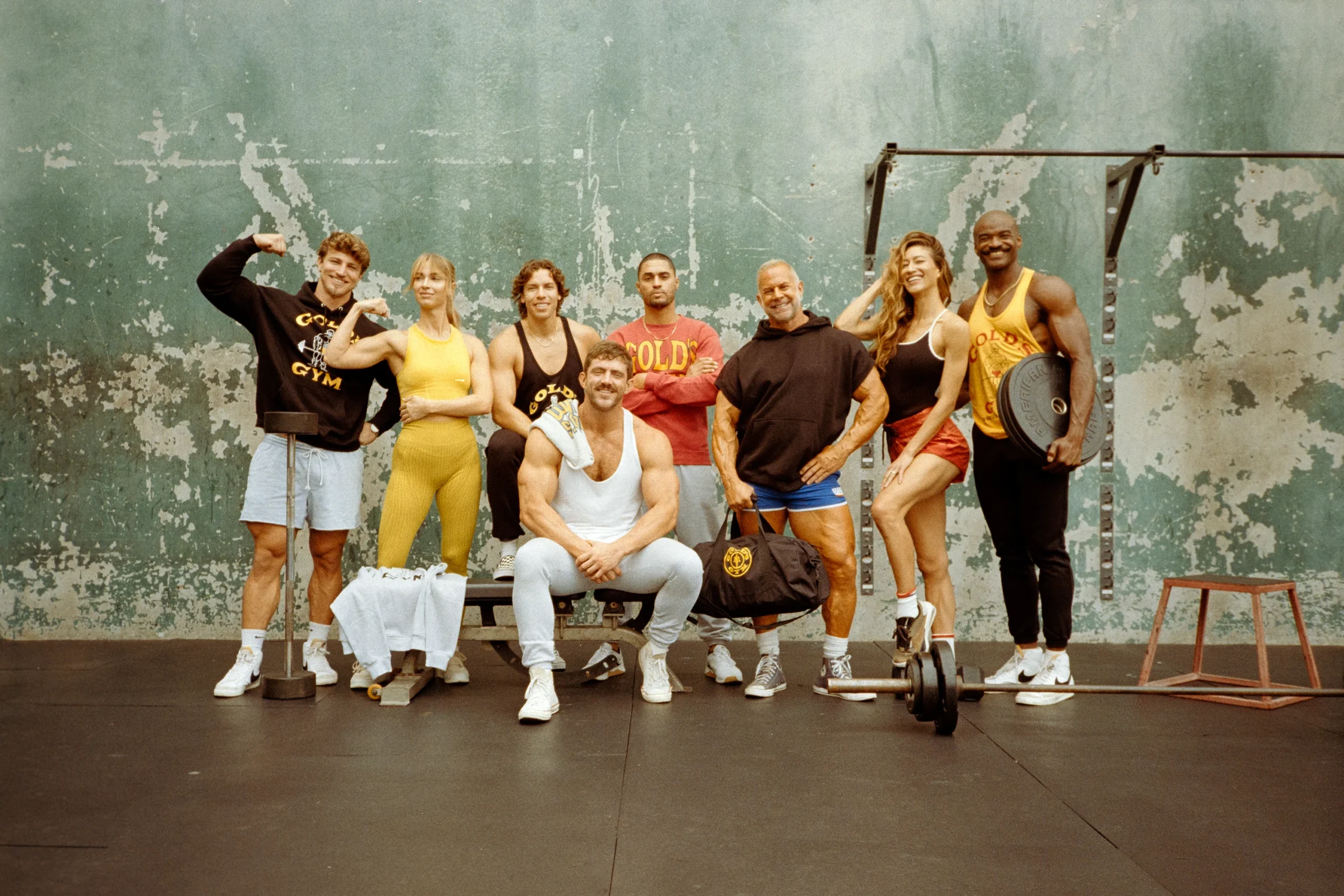
Unlike private label, custom manufacturing allows brands to create unique products that cannot be easily copied.
Many established fitness brands eventually transition into this model.
For example, some startups work with manufacturers that specialize in custom production such as:
👉 Custom Gym Wear Manufacturer
Experienced manufacturers can help with product development, fabric sourcing, and technical design support.
Key Differences Between Private Label and Custom
Understanding the differences helps brand founders make better decisions.
| Category | Private Label Gym Wear | Custom Activewear |
|---|---|---|
| Product design | Pre-existing designs | Fully original |
| Development time | Fast | Longer |
| Startup cost | Lower | Higher |
| Brand uniqueness | Limited | Strong |
| Product control | Basic customization | Full control |
In simple terms:
- Private label focuses on speed
- Custom manufacturing focuses on uniqueness
Advantages of Private Label Gym Wear
Private label products can be extremely useful when launching a new brand.
1. Faster Market Entry
Since the base designs already exist, production can start quickly.
2. Lower Initial Investment
Private label products usually require smaller development budgets.
3. Lower Risk for New Brands
Brands can test market demand before investing heavily in product development.
4. Simpler Production Process
Manufacturers already have patterns and technical specifications prepared.
Because of these benefits, many startup brands begin with private label collections.
Advantages of Custom Activewear
Custom manufacturing provides several advantages that private label cannot offer.
1. Unique Brand Identity
Original products help brands stand out in a crowded market.
2. Greater Product Control
Brands can select:
- fabrics
- stitching techniques
- garment fits
- performance features
3. Higher Perceived Value
Consumers often associate custom designs with premium brands.
4. Long-Term Brand Growth
Many successful fitness brands eventually rely on custom product development.
Cost Comparison: Private Label vs Custom
Cost is often the biggest factor when choosing between these models.
Typical Cost Differences
| Category | Private Label | Custom |
|---|---|---|
| Sampling | Low | Moderate |
| Development time | Short | Longer |
| Minimum order quantity | Lower | Higher |
| Product uniqueness | Limited | High |
While private label is cheaper initially, custom designs can offer stronger long-term brand value.
Which Model Is Best for New Brands
From my experience working with startup brands, the best strategy often depends on your business goals.
Private Label Is Better If
- you want to launch quickly
- you have limited startup capital
- you want to test product demand
Custom Activewear Is Better If
- you want a unique brand identity
- you plan to build a premium brand
- you want long-term differentiation
Some brands combine both strategies.
They launch with private label products and later introduce custom signature collections.
How to Choose the Right Manufacturing Partner
Regardless of which production model you choose, working with the right manufacturer is essential.
When evaluating suppliers, consider these factors:
- minimum order quantities
- product development capabilities
- fabric sourcing options
- quality control standards
Many new brands work with specialized activewear manufacturers such as:
Experienced manufacturers can guide startups through:
- sampling
- fabric selection
- logo application
- packaging solutions
FAQ About Private Label and Custom Activewear
Is private label gym wear good for beginners?
Yes. Many startup brands begin with private label because it reduces development cost and speeds up market entry.
Is custom activewear more profitable?
Custom activewear often allows higher pricing because the products are unique and harder for competitors to replicate.
Can a brand start with private label and switch later?
Absolutely. Many brands start with private label and later transition into custom product development.
Which option requires higher minimum orders?
Custom manufacturing usually requires higher MOQs because products must be developed from scratch.
Final Thoughts
Choosing between private label gym wear and custom activewear depends on your brand’s goals, budget, and timeline.
Private label offers:
- faster launch
- lower risk
- simpler production
Custom activewear offers:
- stronger brand identity
- product uniqueness
- long-term differentiation
Many successful fitness brands eventually combine both approaches.
If you're exploring production options for your activewear brand, you can learn more here:
👉 Custom Gym Wear Manufacturer
With the right strategy and manufacturing partner, both private label and custom activewear can become powerful foundations for building a successful fitness brand.

